

Lebanon
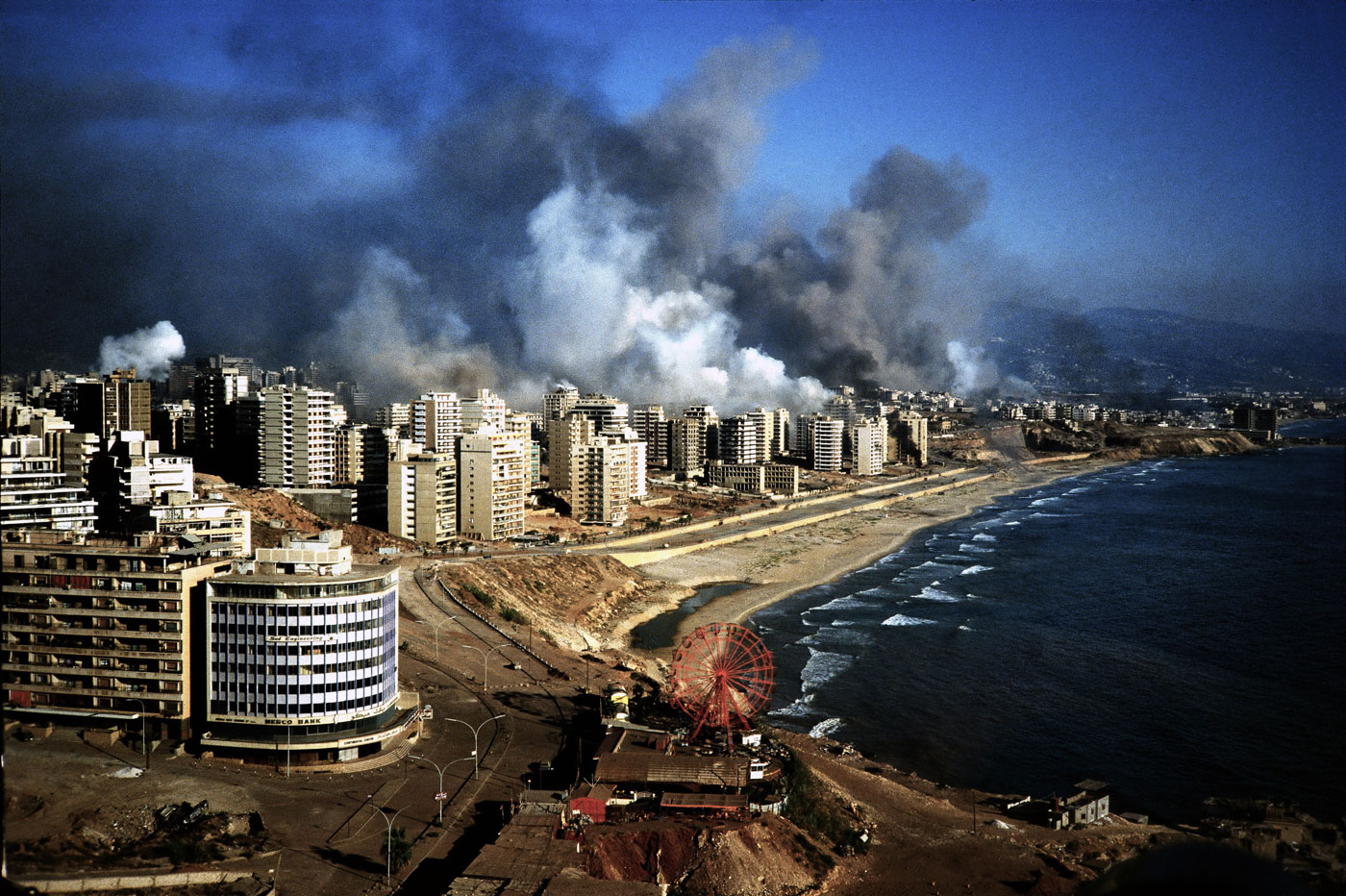
How 1980s Lebanon Made Today’s Middle East
Kim Ghattas joins Faisal Al Yafai to discuss how the Beirut of the 1980s offers a prism through which to understand today’s regional rivalries, as set out in her new book, “The Best Kind of American.”
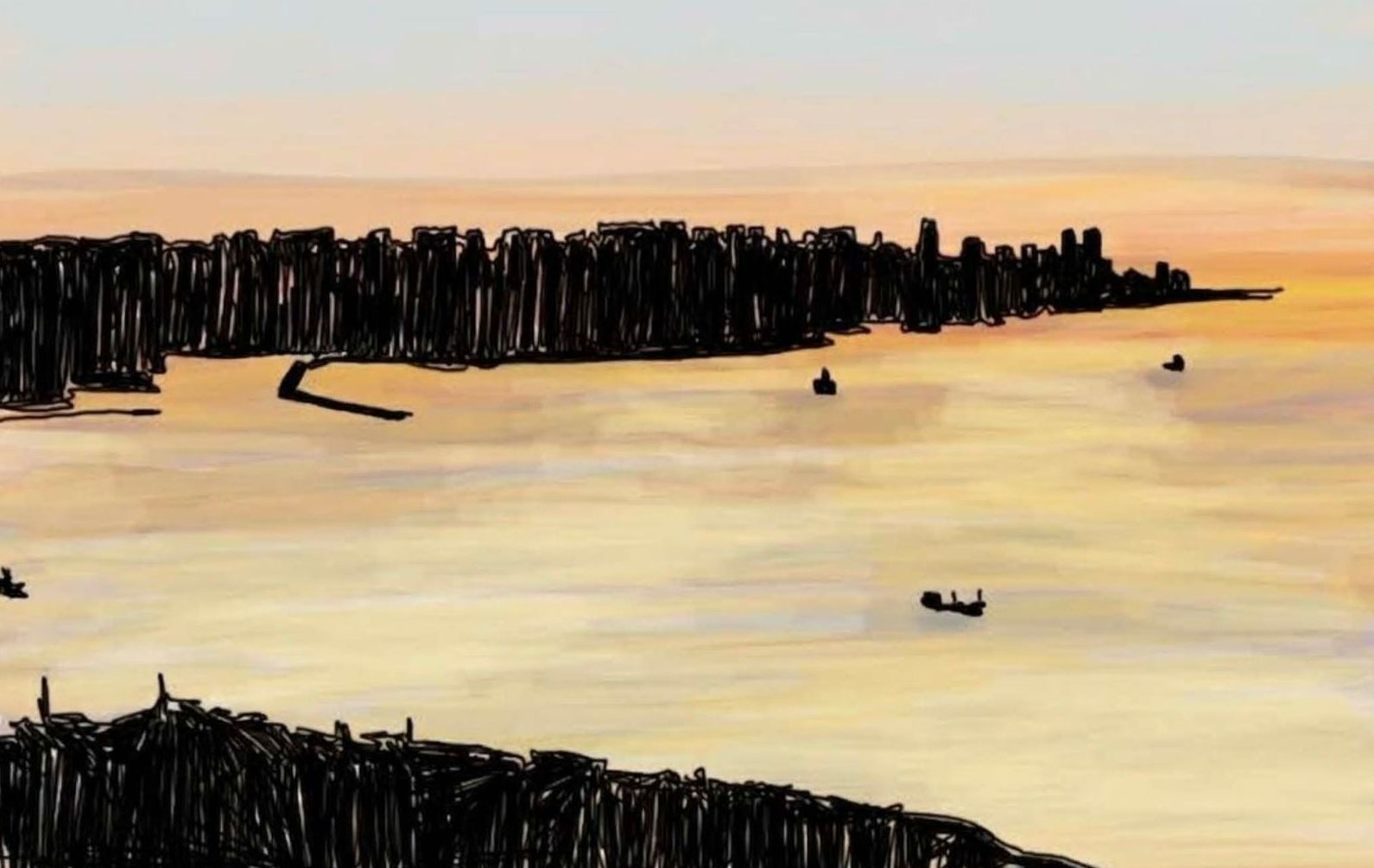
Remembering the Beirut Explosion
During the 2020 Beirut port blast, everyone in the city with a camera phone and social media account became a reporter of some sort, and the catastrophe opened the door to a new way of experiencing history. What the algorithm reshared became instant archival material that still has an important story to tell.
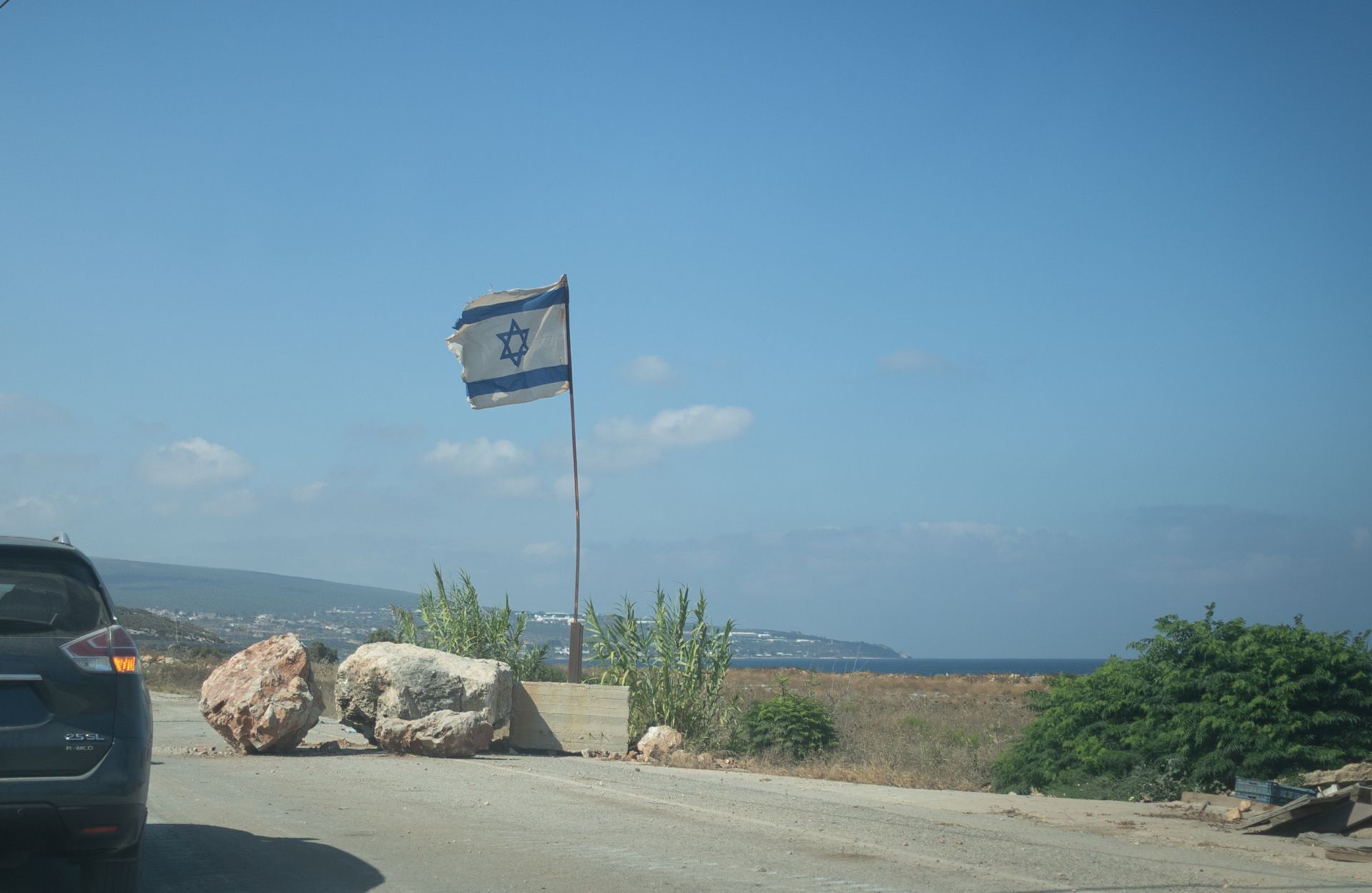
Inside Lebanon’s Christian Villages Under Israeli Occupation
Ahead of the next round of Israel-Lebanon talks, residents of three Christian villages left standing in Lebanon’s occupied border zone describe life under siege.
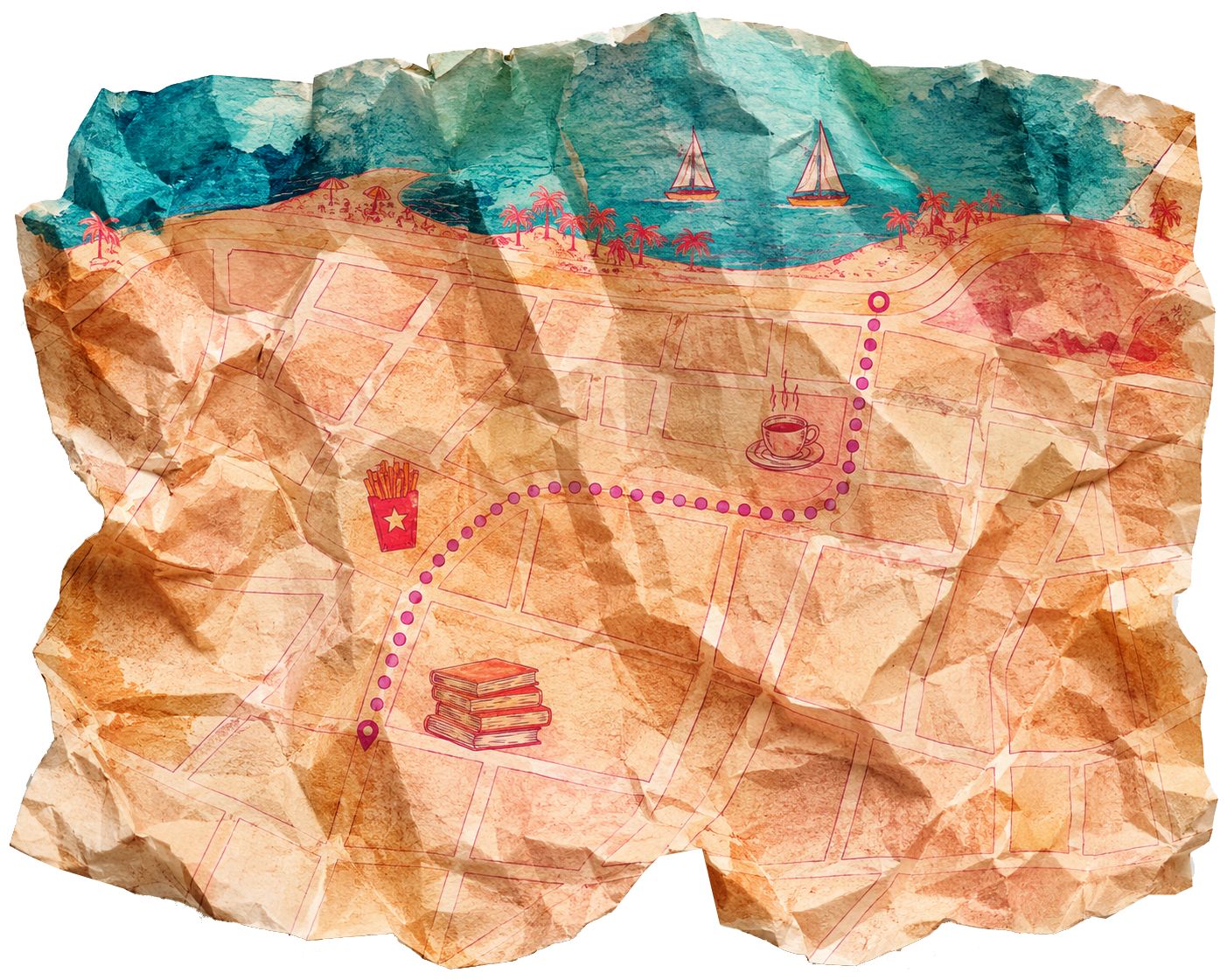
Walking Beirut’s Transformed Neighborhoods, From Hamra to Gemmayzeh
A personal walk through five neighborhoods of the Lebanese capital becomes a way of reading the country's collapse. Returning after years away, the writer traces a single line from Ain al-Mreisseh up to Hamra, over to Verdun and Downtown, and across the old green line to Gemmayzeh.
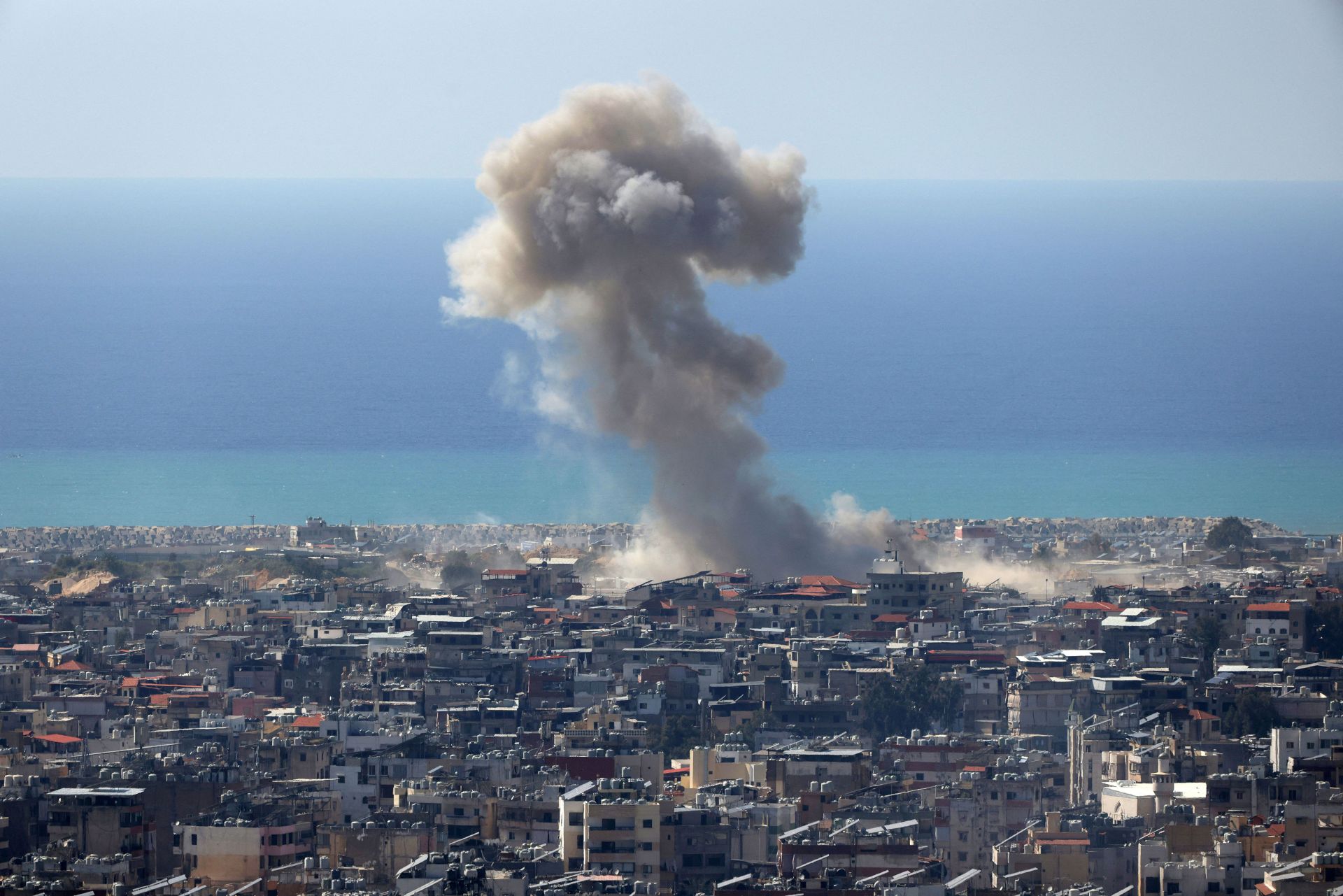
Israel Called Its Beirut Strikes Precise. We Reconstructed Five of Them
New Lines examined five Israeli airstrikes in and around Beirut, each presented as a targeted operation against a specific individual. The investigation maps a spectrum of destruction — from one man killed while his family survived to two residential buildings reduced to rubble — and asks what accounts for such varied outcomes.
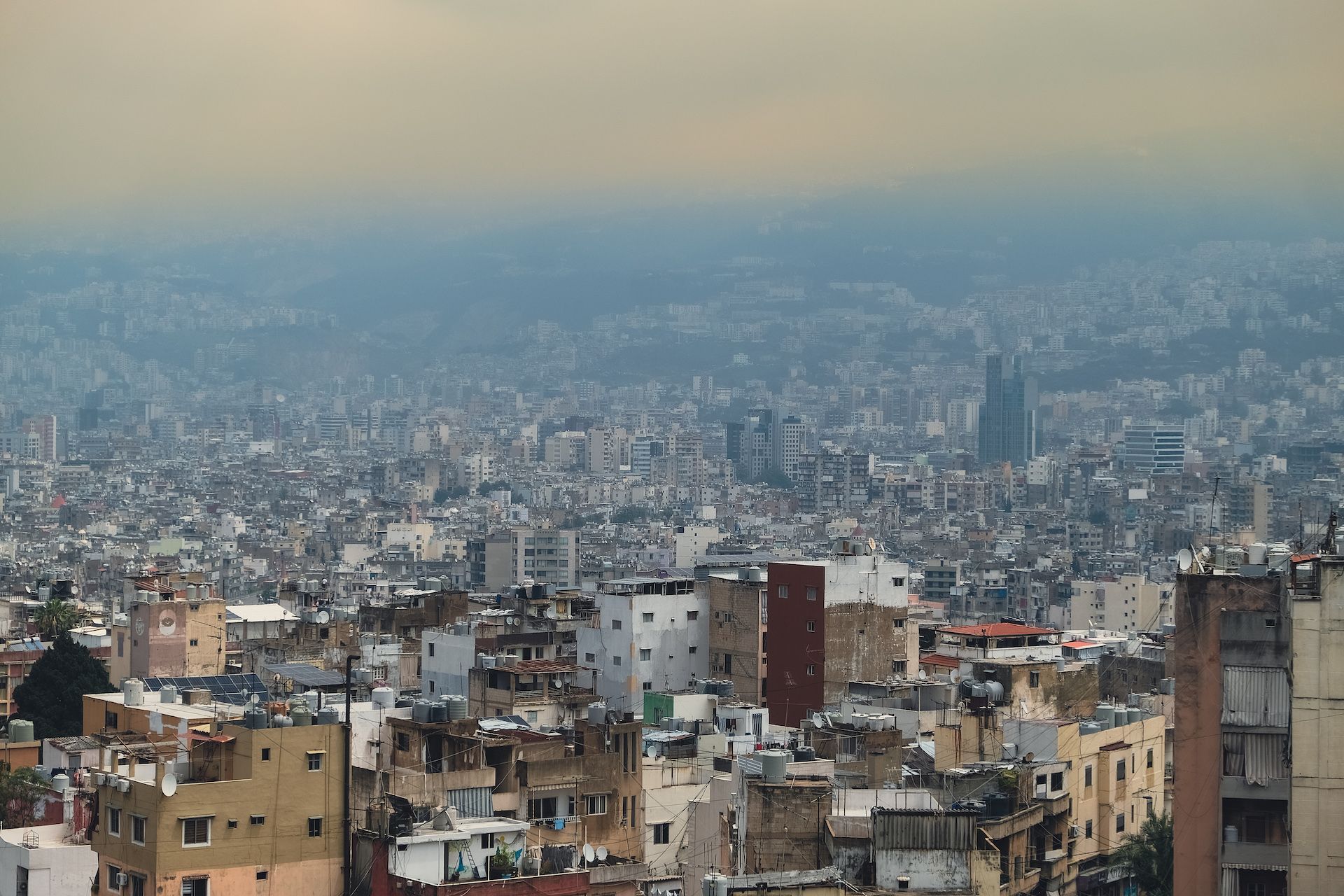
Lebanon’s Rapidly Rising Cancer Rates
Economic collapse, mass smoking and worsening air pollution have combined to give Lebanon — a country once known as the region's leader in healthcare – the fastest-growing cancer burden anywhere.
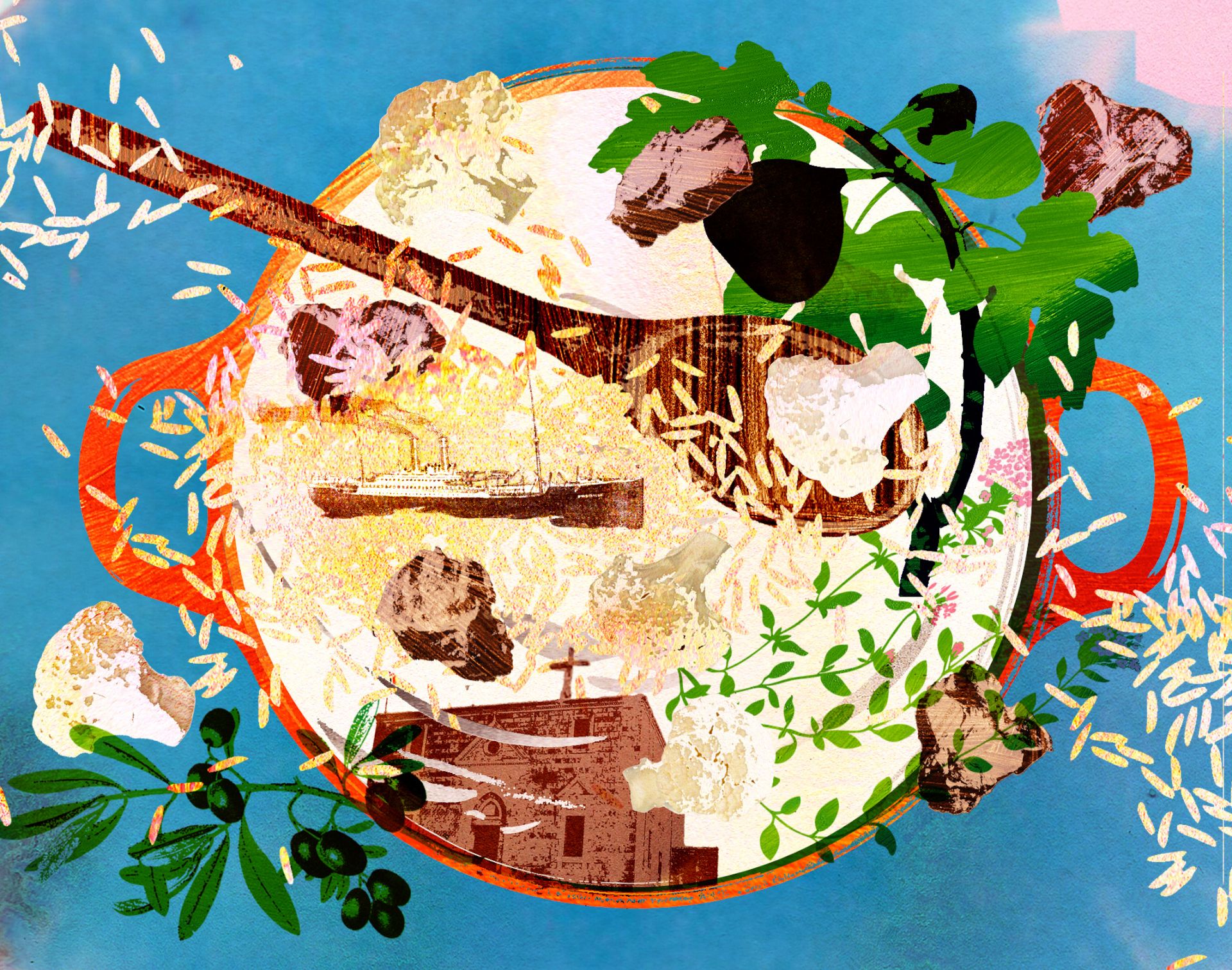
How a Lebanese Dish Survived for a Century in Oklahoma
Mlaheeyeh, a dish from a southern Lebanese town, disappeared where it was born, but survived for a century in the kitchens of families who emigrated to Oklahoma. Its story reveals what war truly destroys when it displaces a people.