

Syria
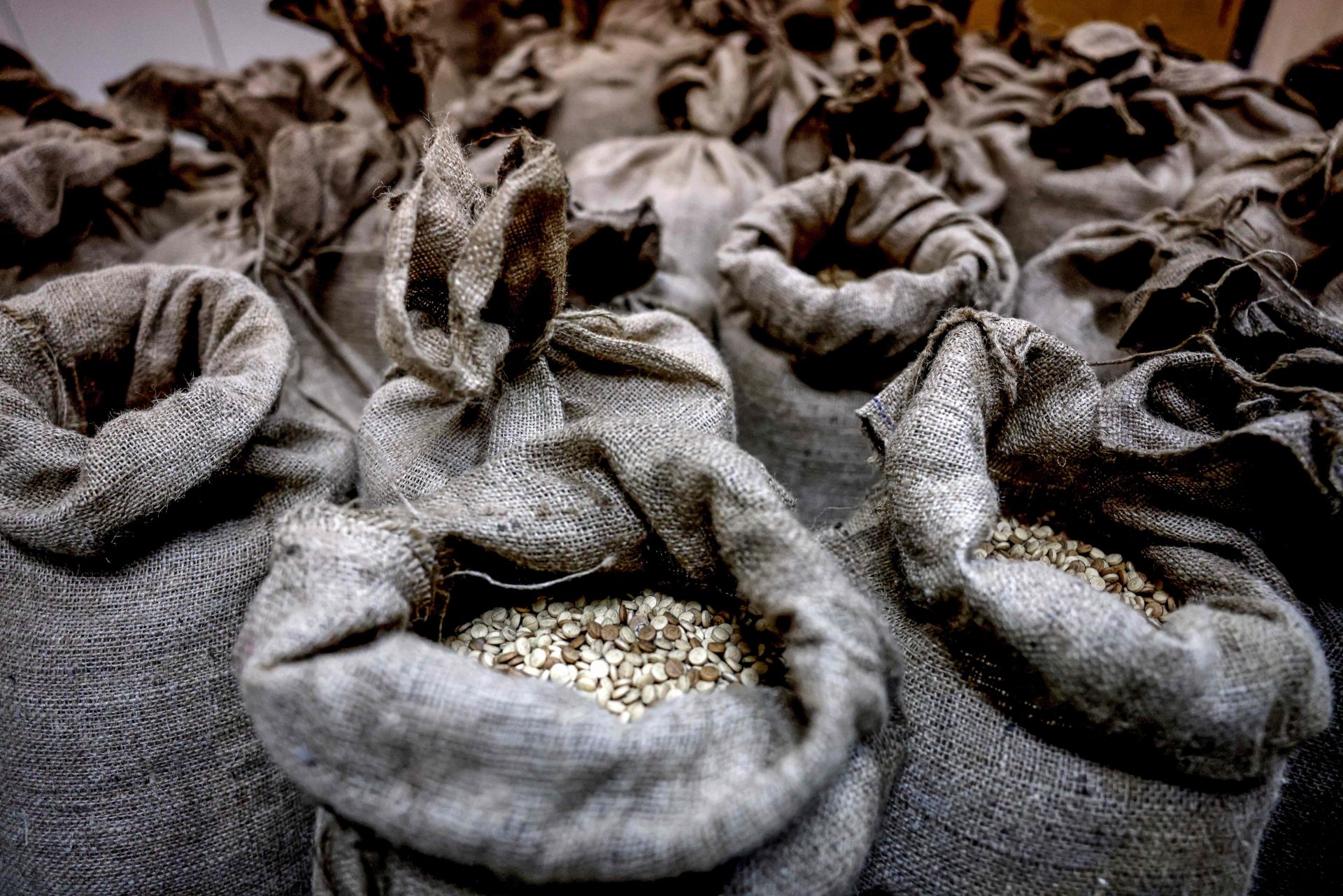
Sweida, the Narco-Province
Since Druze militias took control of Syria's Sweida province in 2025, the region has become a Captagon hub run by former Assad officers and internationally sanctioned crime figures, and shielded by Israel.
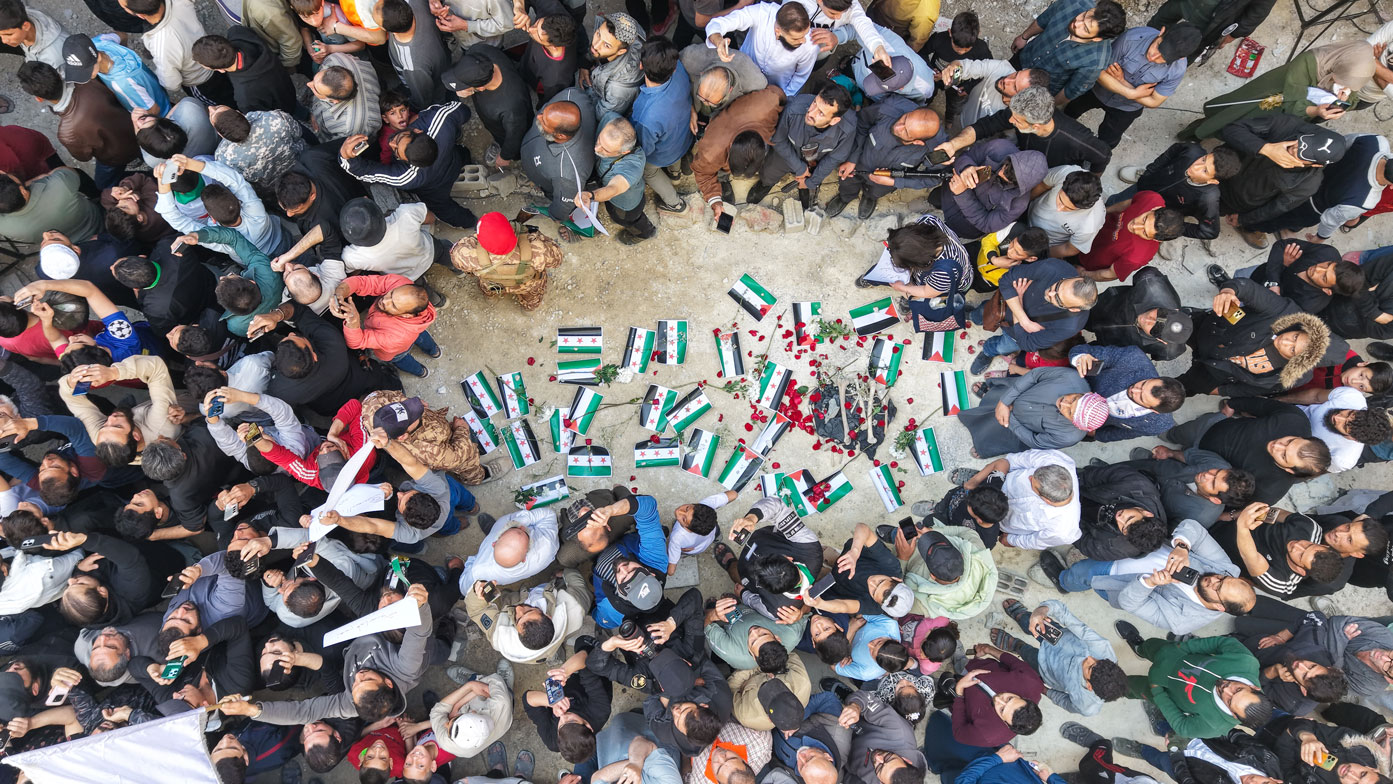
When Is a Revolution Actually Over?
Writer Robin Yassin-Kassab joins Faisal Al Yafai to discuss his new book “The Blood Between Us” and Syria one year after revolution.
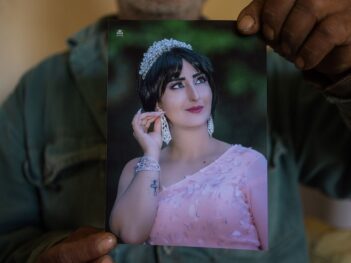
Inside the Double Life of a Syrian Hairdresser Accused of Torture in Assad’s Prisons
Hala Mounir Mohammad was a popular Syrian hairdresser who taught styling and posted blowouts and bridal looks to thousands of online followers. She was also, according to five former detainees, a guard inside Assad's Air Force Intelligence prison who beat women with green plastic pipes and boasted of sniping at civilians.
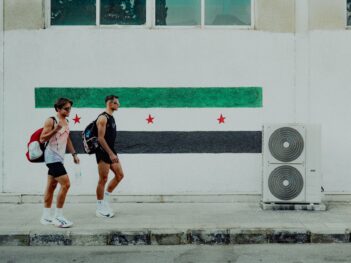
Two Syrian Triathletes Train for the Olympics in a Country Rebuilding After War
Syrian triathletes Ehab Khallouf and Adnan Zaki are chasing qualification for the 2028 Olympic Games. Under Assad, they were routinely denied visas to compete abroad. Now, with a new federation president pushing reform and travel possible again, the qualification window is finally cracking open.
How Syrian Forces Captured the Man Behind the Tadamon Massacre
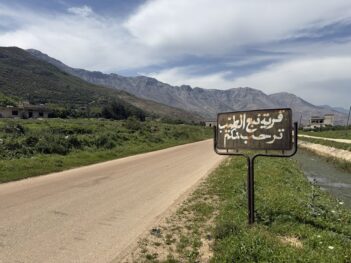
Amjad Youssef hid for over a year in a village in rural Hama, Syria, slipping between his family home and the forested peaks above it, until intelligence officers tracked his nighttime movements and arrested him in his bedroom.
Assad’s Cousin Stands Trial in Damascus for Crackdown That Sparked Syria’s Uprising
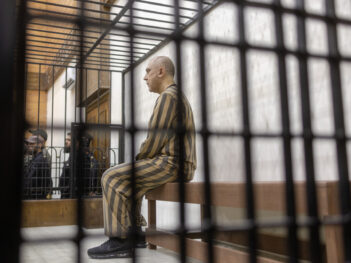
Fifteen years after his security forces tortured a group of schoolboys in Daraa and ignited Syria's uprising, Atef Najib, Bashar al-Assad's cousin and the regime's former political security chief in the south, appeared in a Damascus courtroom on Sunday.
How Syria’s Revolution Was Misunderstood, by Its Rulers and the World
Syria’s revolution was first crushed, and then misread. Five recent books on the long uprising and its surprising aftermath show how elites, ideologues and foreign observers alike failed to see the people at its heart.