

Hosted by Faisal Al Yafai
Featuring Murtaza Hussain and Lynzy Billing
Produced by Finbar Anderson
Listen to and follow The Lede
Apple Podcasts | Spotify | Youtube | Podbean
While power is often enacted in the open, some of its most significant manifestations are shrouded from public view, investigative journalist Murtaza Hussain tells Faisal Al Yafai on The Lede.
“We think of the world in terms of states and institutions and so forth, and that’s true, but there’s another segment, which is this almost transnational organized crime segment,” Hussain says. “It’s not that they’re always necessarily breaking the law per se — although they often are — it’s just that there are parastatal institutions and networks of people who operate above and beyond these institutions.”
“There are parastatal institutions and networks of people who operate above and beyond these institutions.”
Epstein’s value to his associates, argues Hussain, was that he was a talented money launderer. “Money laundering is a tool which is very useful to people in intelligence agencies or militaries who would like to carry out operations and need funding for them, but do not want these operations to be part of any formal government budget, which would render them subject to oversight.”
Those shadowy networks are familiar to another investigative journalist, Lynzy Billing, from her work in Afghanistan.
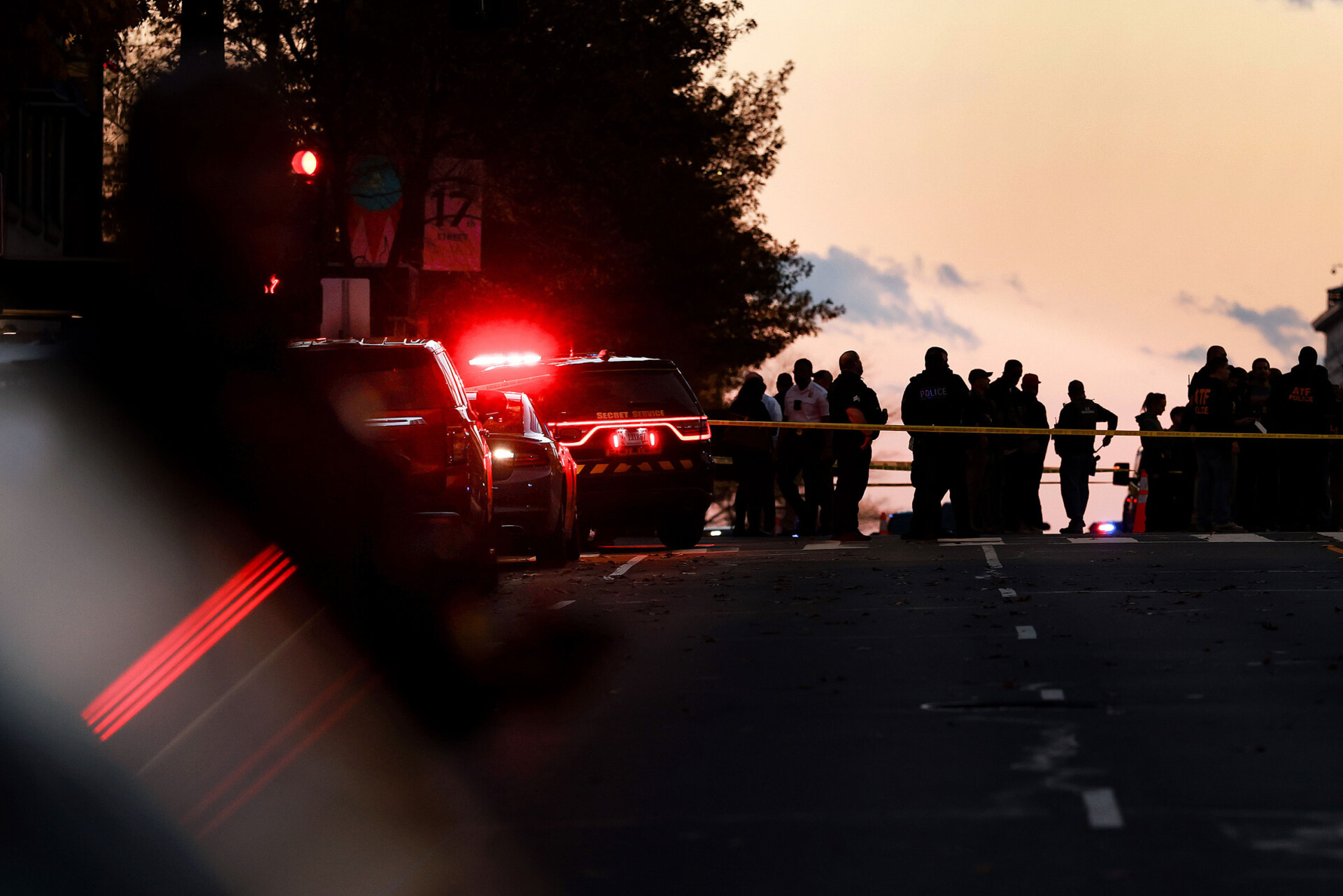
Billing notes that the CIA was nominally subject to oversight in the case of her investigation into the infamous Zero Units in Afghanistan, which made the news again last week when it emerged the alleged shooter of two National Guard soldiers in Washington, D.C., had been a member of one of those units. “The CIA are still accountable to congressional committees, but that really comes down to who’s asking the right questions. Does anyone have the capacity or willpower to ask those questions? Do they care?”
Billing acknowledges that she has become increasingly frustrated with this illusion of accountability, whereby a major government institution can respond to accusations of a potential war crime with a generic response. “Why do we go to places and accept that kind of a comment as enough when we’ve given them findings of hundreds of civilians killed, with evidence, with coordinates? Why is it enough that we accept that from these agencies?”
Hussain suggests that the new media environment is highlighting the lack of accountability these institutions have been working in. “When there were a few centralized nodes of disseminating information, they could maintain a much more plausible semblance that their narrative is accurate,” he says. “But when you have all these leaks, and you have websites and channels and you cannot control this flow of information that contravenes that, at some point it reaches a critical mass, and that’s why I think you see trust bleeding away from these institutions.”