

Hosted by Faisal Al Yafai
Featuring Nada Bakri and Zahra Hankir
Produced by Finbar Anderson
Listen to and follow The Lede
Apple Podcasts | Spotify | Youtube | Podbean
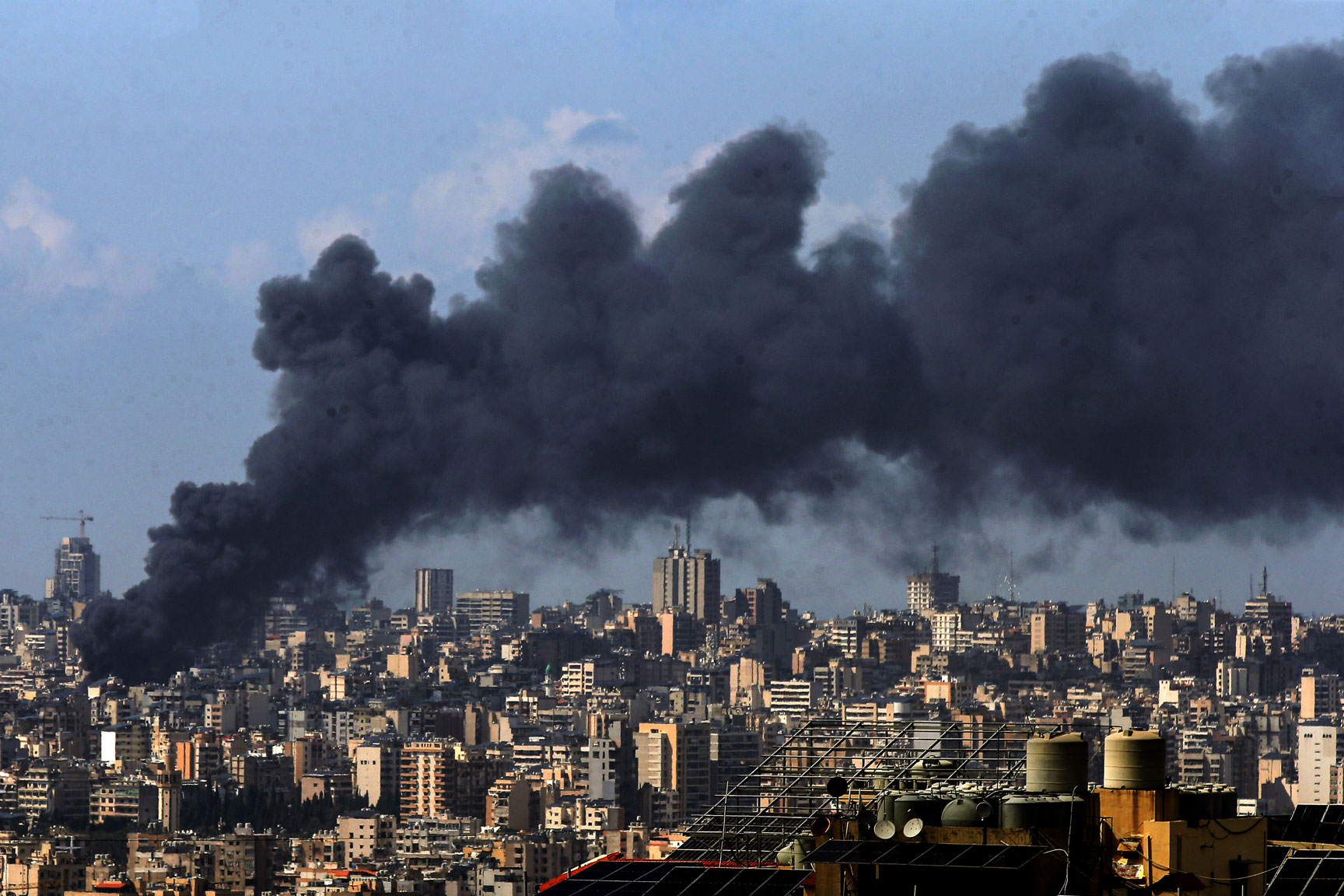
Israel’s strikes on Lebanon on April 8 came out of the blue, journalist and returning guest to the podcast Zahra Hankir tells Faisal Al Yafai on The Lede. “People had no idea what was coming — they thought Lebanon was part of the ceasefire [agreed between the U.S. and Iran],” she says. “People had started packing their belongings, hoping that they could return to their homes in the south.”
The devastating attacks last week, which at time of publishing had killed over 350 people, were the latest in a series of crises facing the Lebanese people that have proved steadily more punishing, journalist Nada Bakri adds. “Every time we get through a crisis, we look back and wish we can go back to the crisis just before this one,” she tells Al Yafai.
“People had no idea what was coming.”
Bakri, like Hankir, has a personal connection to Lebanon but at present lives in the United States. “The hardest part about it is just being so far away and feeling safe here, but also you feel so anxious,” she says. “It’s like this cognitive dissonance — you’re so safe here, but at the same time, you really don’t feel safe.”
Hankir agrees that her relationship with Lebanon is replete with nuance and complexity. “Lebanon is my first love,” she says. “I have a very complicated relationship — it’s complicated, but also simple. The romantic part of me wants to believe that I can return, but I think the realistic part tells me something else.”
Hankir and Bakri have both considered how the space in which civilians can seek safety and protection has progressively narrowed since Israel’s attacks on Gaza. For Hankir, this took the shape of a recent article in which she explored the dire situation facing Lebanon’s journalists, three of whom were killed by Israel last month. “The local Lebanese journalists that I spoke to feel an acute pressure on them, not only to keep Lebanon in the news, but also to get the story right and to ensure that the framing is accurate to the truth on the ground and what they’re witnessing,” she says.
On the day of the attacks, Bakri had just published an article in New Lines, titled “Far From the Land of Good News,” in which she explored the complex relationship she felt to her home in southern Lebanon and how that part of the country had ceased to offer its population safety. “The house promised continuity. It promised legacy. It promised home — for me and for my son and for his children,” she says. “And now if that house is gone, I’m not sure my relationship with home is going to feel the same way.”
Further reading:
Far From the Land of Good News by Nada Bakri
Who Is Left To Cover Lebanon? by Zahra Hankir