

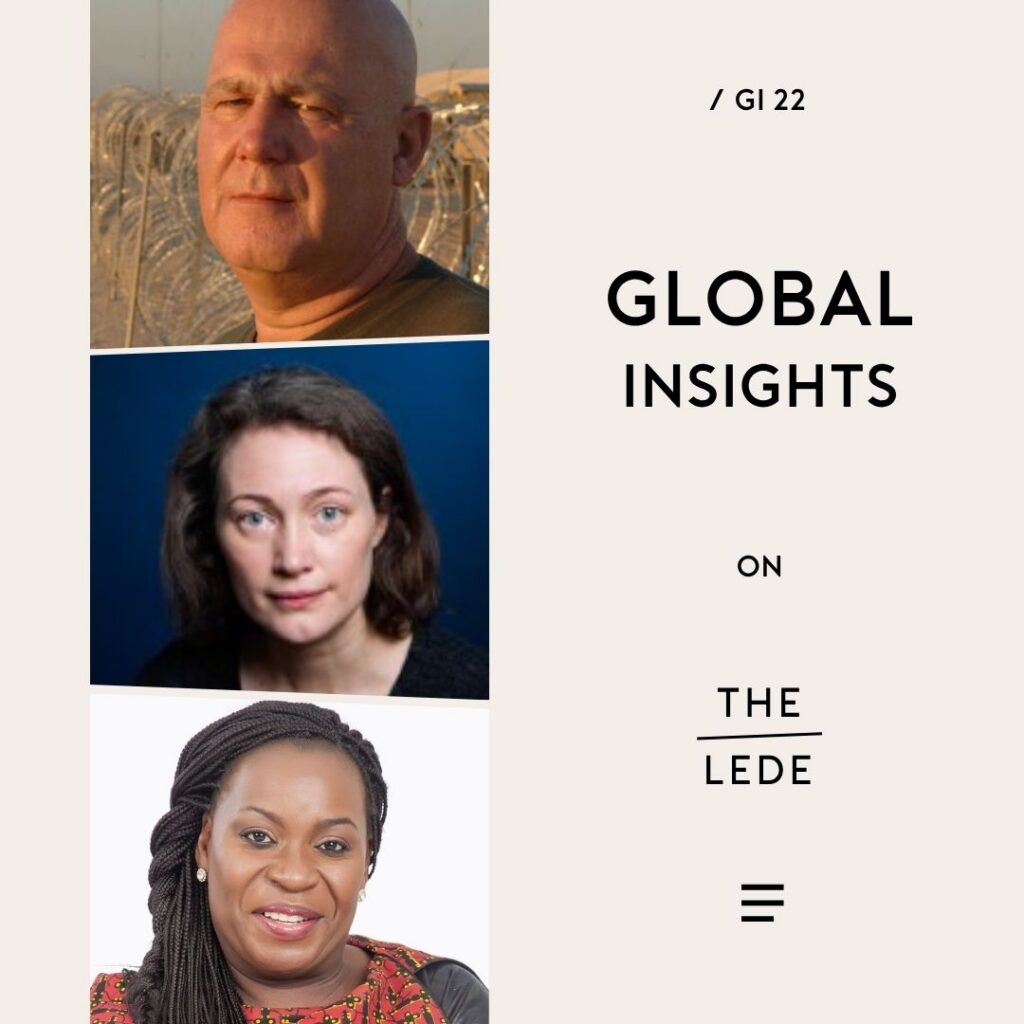
Hosted by Kwangu Liwewe Agyei
Featuring Michael Smith and Lydia Wilson
Produced by Finbar Anderson
Listen to and follow The Lede
Apple Podcasts | Spotify | Youtube | Podbean
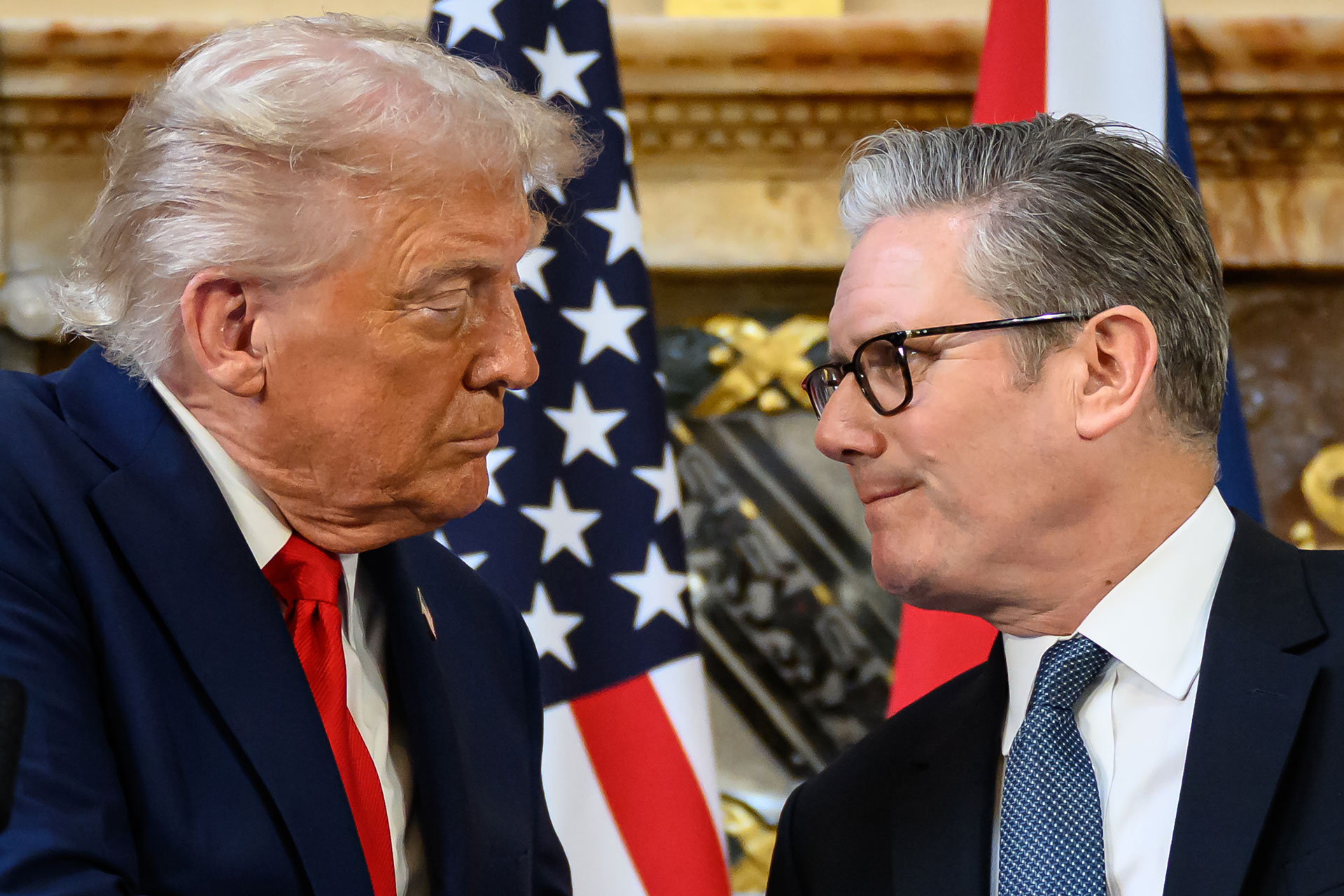
On this month’s episode of Global Insights on The Lede, host Kwangu Liwewe Agyei interrogates the strength of the relationship between the United States and the United Kingdom.
The U.K.’s refusal to take a more active military role in the Iran war has tested relations between Donald Trump and U.K. Prime Minister Keir Starmer, journalist and historian Michael Smith tells Liwewe Agyei. Nevertheless, “Britain is America’s greatest ally, and it remains America’s greatest ally,” he says.
“We can’t just say that the status quo will endure. We have no idea.”
That relationship, Smith argues, is underpinned by close collaboration, particularly in areas such as military intelligence sharing. “Britain and America’s intelligence services are so intertwined,” he explains.
Smith suggests that the relationship between Washington and London will outlast the strained personal relations between Trump and Starmer. He offers the example of a 2019 claim made by Trump in which he accused the British intelligence agency GCHQ of spying on him. Despite the controversy surrounding the claim, “it made absolutely no difference whatsoever to the relationship behind the scenes,” he says.
New Lines Culture Editor Lydia Wilson agrees that the relationship between the two countries is strong across many sectors. However, she argues, “In the last couple of years we’ve seen so many global events that have been inconceivable and they’ve happened anyway. I don’t think we should rule anything out at this point.”
Wilson stresses that the Iran war has “resulted in significant pivots in rhetoric and action, so we can’t just say that the status quo will endure. We have no idea.”
The legacy of the war, Wilson argues, is that the U.K. may focus on “reintegrating more with Europe and being wary of America. Now a future leader might fix that wariness, that suspicion, but I think that’s going to be a lasting effect of the Iran war,” she says.