

Hosted by Faisal Al Yafai
Featuring Hannah Lillith Assadi
Produced by Finbar Anderson
Listen to and follow The Lede
Apple Podcasts | Spotify | Youtube | Podbean
Hannah Lillith Assadi began her latest novel while her father was on his deathbed, she tells Faisal Al Yafai on The Lede. “I was sitting on the patio of the ranch house where he was living in Arizona, and I began writing a scene of a character on his deathbed,” she says.
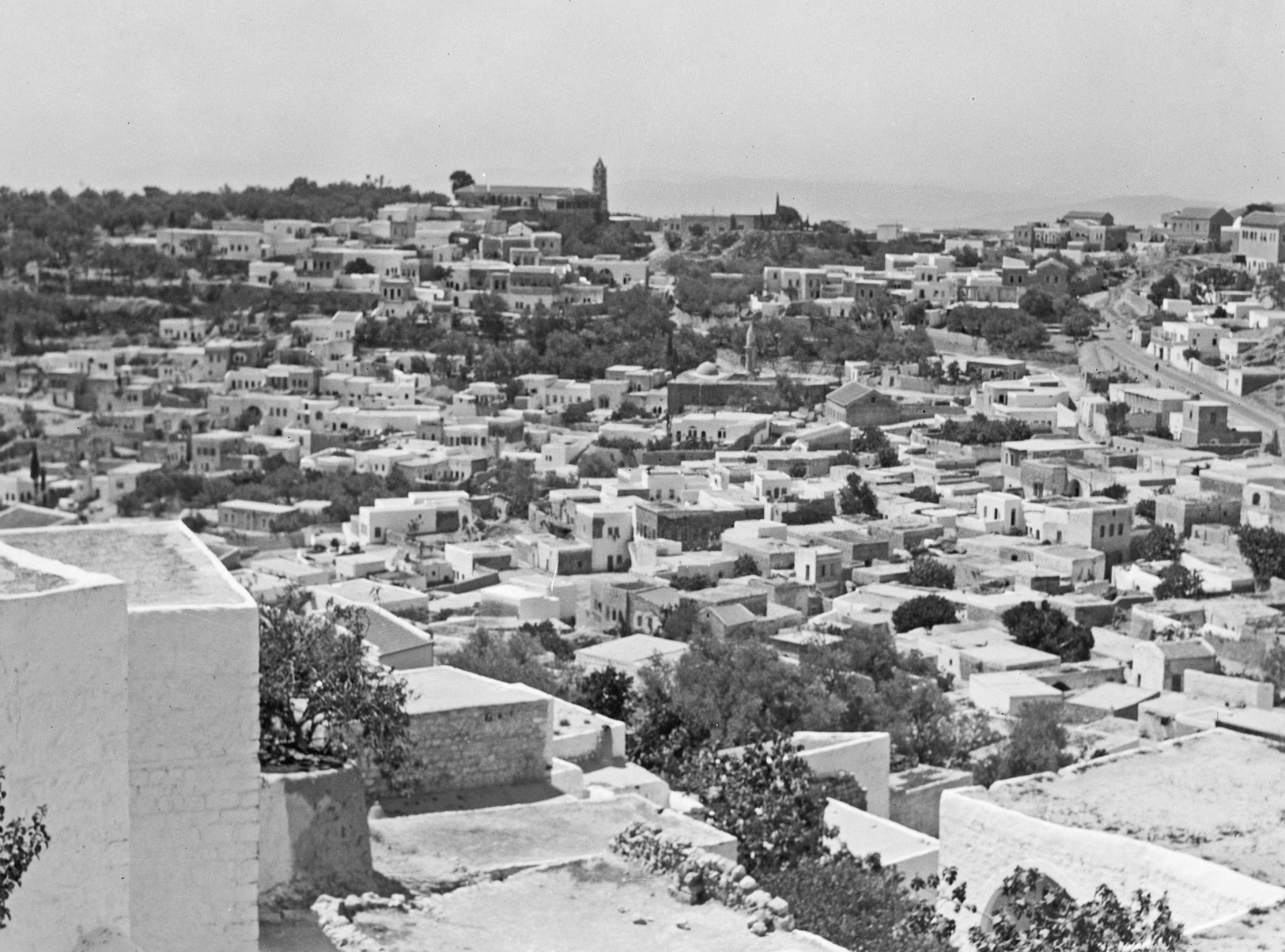
The resulting novel, “Paradiso 17,” deliberately echoes her father’s own story closely, Assadi tells Al Yafai. Beginning with his displacement from Safad during the Nakba, it follows his journey through Kuwait, via Italy, to the United States.
“My natural state is to be looking at that which has been lost.”
Assadi and Al Yafai consider that theme of exile, which has been referenced by former guests on the podcast, including Hala Alyan, author of “I’ll Tell You When I’m Home,” and Loubna Mrie, author of “Defiance”. “Exile is probably the only state I can say I’m at home in,” Assadi says. “I am my father’s and my mother’s daughter, from both sides of people who have experienced a century or centuries of exile. My natural state is to be looking at that which has been lost.”
That initial tragedy of losing his home in Palestine follows the main character, as it did her father, through the book, Assadi explains. “For my father, the Nakba was his most formative memory and his first memory of the world. The loss of Palestine coincides with the end of his childhood — the end of his innocence so young,” she says.
That sense of loss reverberates right up to the book’s final chapters. “My father was consumed by Palestine his entire life, but he remained a fighter,” Assadi says. “Only when he was becoming sicker and sicker with cancer did that purpose start to slip, because he became too weak to fight anymore. He was losing this final homeland, which was his body.”