

Hosted by Faisal Al Yafai
Featuring Quinn Slobodian
Produced by Finbar Anderson
Listen to and follow The Lede
Apple Podcasts | Spotify | Youtube | Podbean
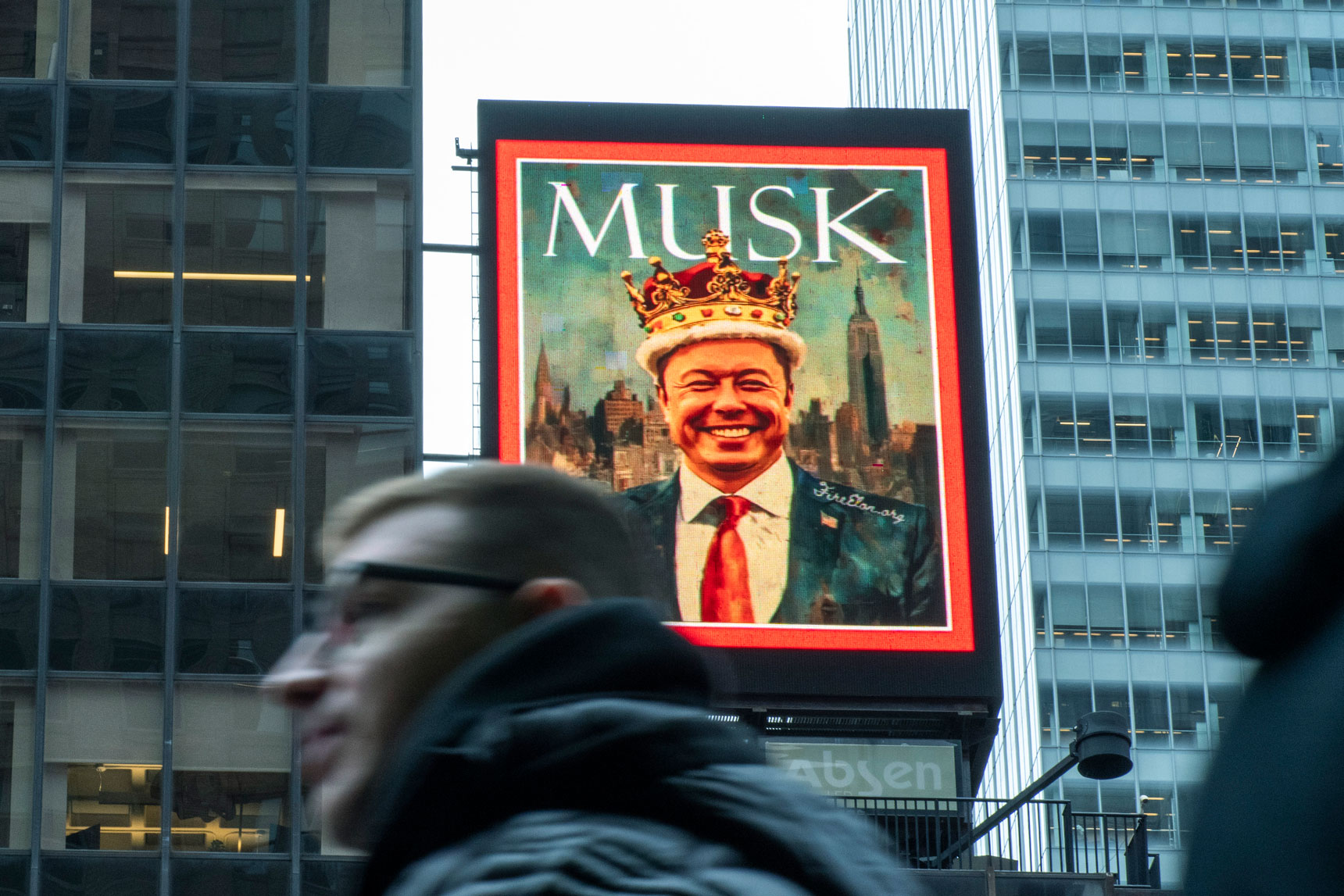
The tech billionaire and manufacturing heavyweight Elon Musk is perhaps the 21st century’s answer to the previous century’s industrialist and automotive tycoon Henry Ford, historian Quinn Slobodian tells Faisal Al Yafai on this week’s episode of The Lede.
“Musk can stand in for a certain era of digital capitalism, similar to the way that people have used Ford to understand a moment of high industrial manufacturing in the last century,” says the author — alongside journalist and tech writer Ben Tarnoff — of “Muskism: A Guide for the Perplexed.”
“For Musk now, in 2026, you can’t just take the rockets and leave the far-right identitarianism.”
Nevertheless, Musk is a fundamentally different character to his 20th-century predecessor, Slobodian argues. “In some cases, where Ford seemed to be the agent of a kind of social peace or compromise, Musk seems to be actively fomenting an atmosphere of social war and conflict,” he says.
Part of the authors’ desire to interrogate Musk in a book came down to the way he seems to reveal so much about wider society: technology, capitalism and an era of fractured politics. It’s also about Musk being so misunderstood, Slobodian says. “We really want to change the conversation about Silicon Valley ideology away from this red herring concept of libertarianism,” he says. “Musk has always been very keen on figuring out how he can plug into state demand and government backing.”
Musk’s increasingly extreme views are becoming ever more entangled with his economic and industrial projects, Slobodian argues. “For Musk now, in 2026, you can’t just take the rockets and leave the far-right identitarianism. They come as a package.”
Users of his products are increasingly reliant on them to enforce their own sovereignty, Al Yafai points out, with Ukraine dependent on Musk’s Starlink internet provider to operate many of its military drones. “You start to worry, as many Europeans and indeed Brits are very worried, about what it means if you’re reliant on something like Starlink or SpaceX, and Musk meanwhile has expressed such fierce loyalty to one side of the political spectrum in the United States,” Slobodian responds.