

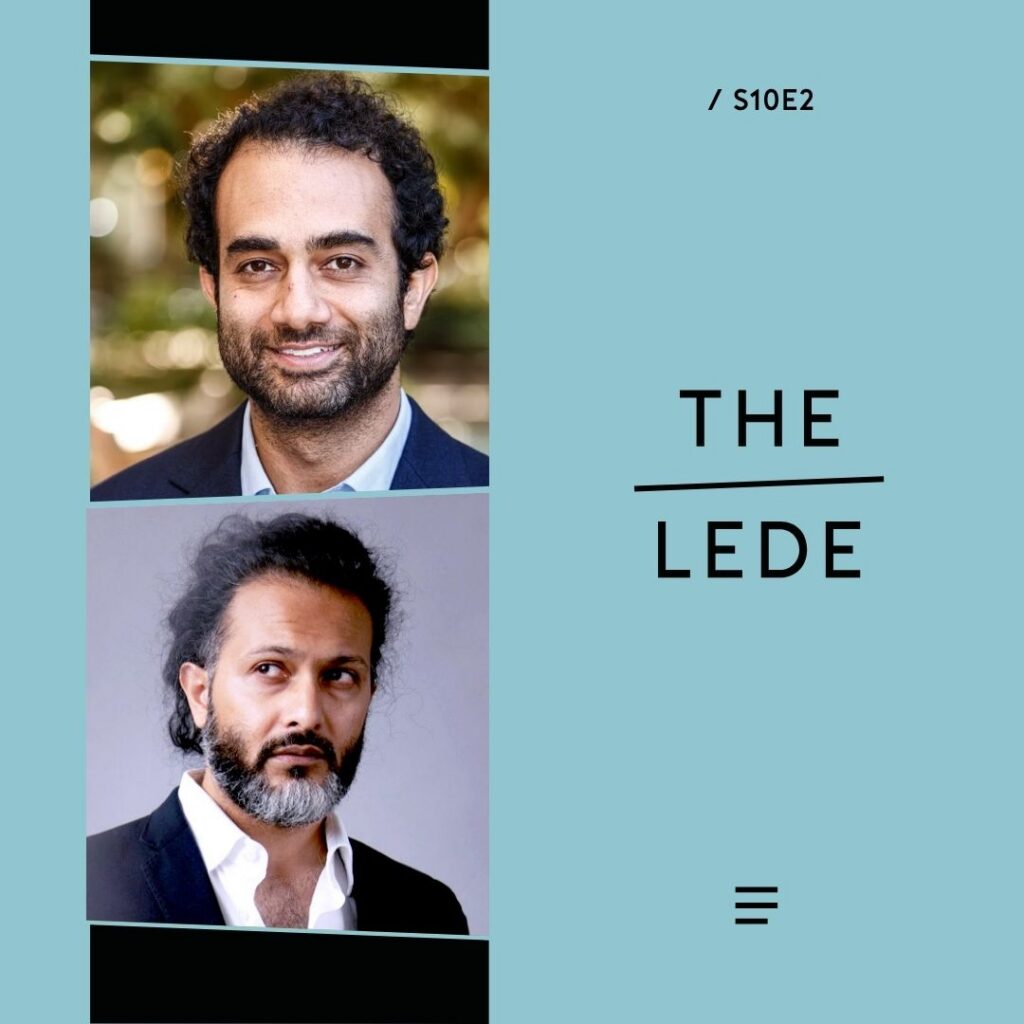
Hosted by Faisal Al Yafai
Featuring Shadi Hamid
Produced by Finbar Anderson
Listen to and follow The Lede
Apple Podcasts | Spotify | Youtube | Podbean
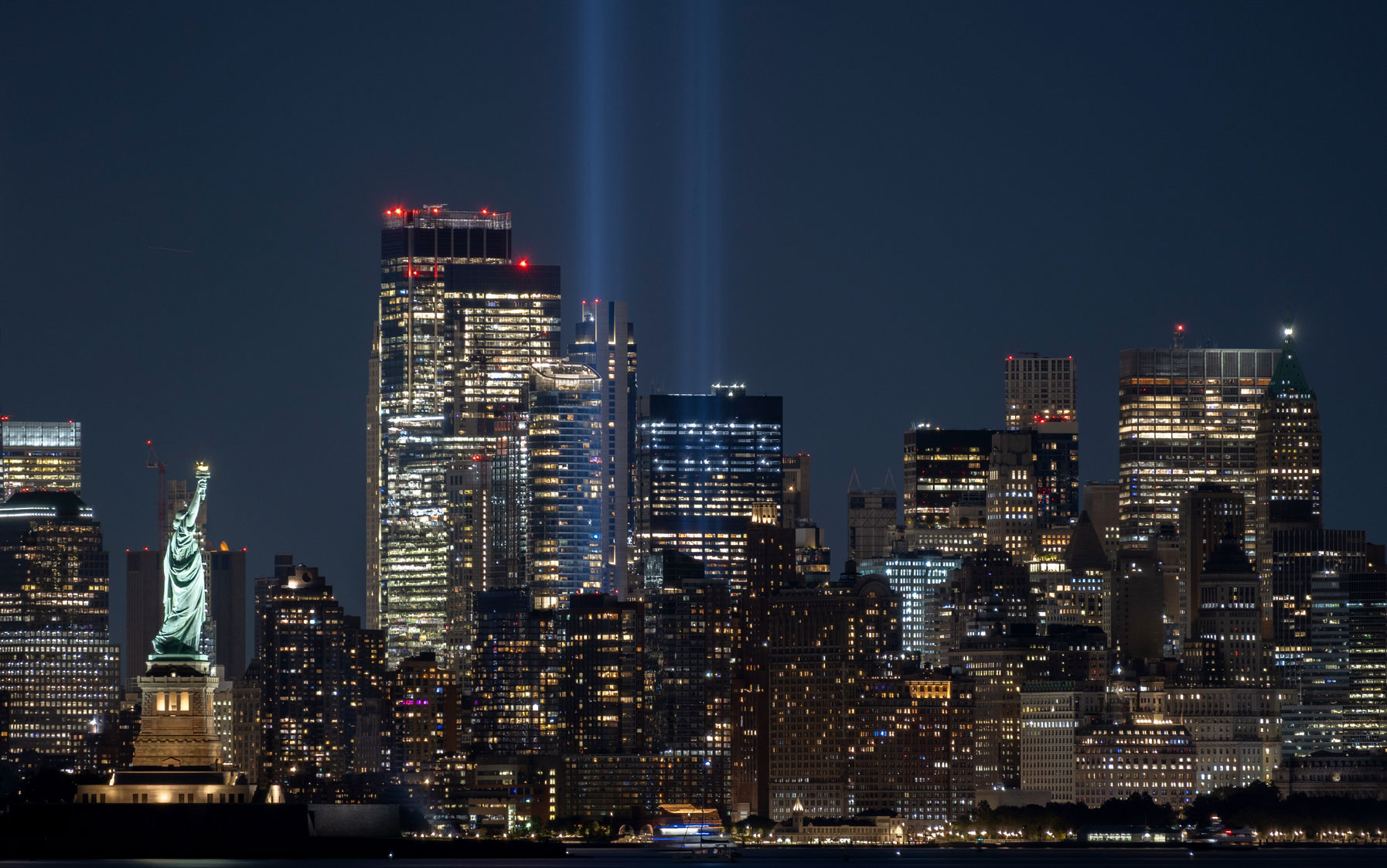
Twenty-five years ago, the United States fell into a trap, author and political scientist Shadi Hamid tells Faisal Al Yafai on The Lede. “What do terrorists want? They want to provoke the target country to do something disproportionate in response. This was one of Osama bin Laden’s declared motivations,” Hamid says of the 9/11 attacks. “He wanted to tie the U.S. up. He wanted to get us to do things we otherwise wouldn’t do. He got us to overreact.”
That event changed him, Hamid tells Al Yafai in his return to The Lede. “For me it was a defining moment both as an American and as a Muslim. As a Muslim in the sense that these were people who were committing these horrific acts in the name of my faith, and I had to make sense of that. But I also had to make sense of why so many people in the Middle East seemed to not like American foreign policy,” he says.
“I really wish we could just go back in time and edit out 9/11, and I just think so many things would have turned out differently.”
The event brought Hamid’s religion into the public consciousness in a new way, he says. Twenty-five years on, he has just brought out a new book, “Can Religion Save Democracy,” co-authored with Christian theologian Matthew Kaemingk, suggesting that religion could offer some of the answers for a world in crisis. “We’ve become more secularized. Has that made America more peaceful, unified, reasonable, rational in its politics? I would actually argue the opposite has happened. We’ve become more ideologically polarized and fragmented,” Hamid says.
Hamid and Al Yafai take opposing sides in the debate on whether religion can offer meaningful solutions to the problems identified in Hamid’s book. “We as elite liberal Americans automatically assume that religion is a problem, and we think that secularism is always the solution. But what if it turns out that secularism is not the solution all the time,” Hamid asks.
Secularism is in itself a worldview, much like religion, Hamid argues. “I think it’s no coincidence that in the U.S. we saw the rise of ethno-nationalism, of white nativism. We saw the rise of wokeness on the left. These are secular ideologies that have almost a kind of religious flavor to them, but they’re not actually religious in the traditional sense.”
Looking back to 9/11, Hamid tells Al Yafai what America and the world would have been like if the event had never happened. “I do wonder about the counterfactual history for myself, but also I have a longing for that counterfactual history for America. I really wish we could just go back in time and edit out 9/11, and I just think so many things would have turned out differently, because it was such a chain reaction,” he says.