

Hosted by Faisal Al Yafai
Featuring Sally Hayden
Produced by Finbar Anderson
Listen to and follow The Lede
Apple Podcasts | Spotify | Youtube | Podbean
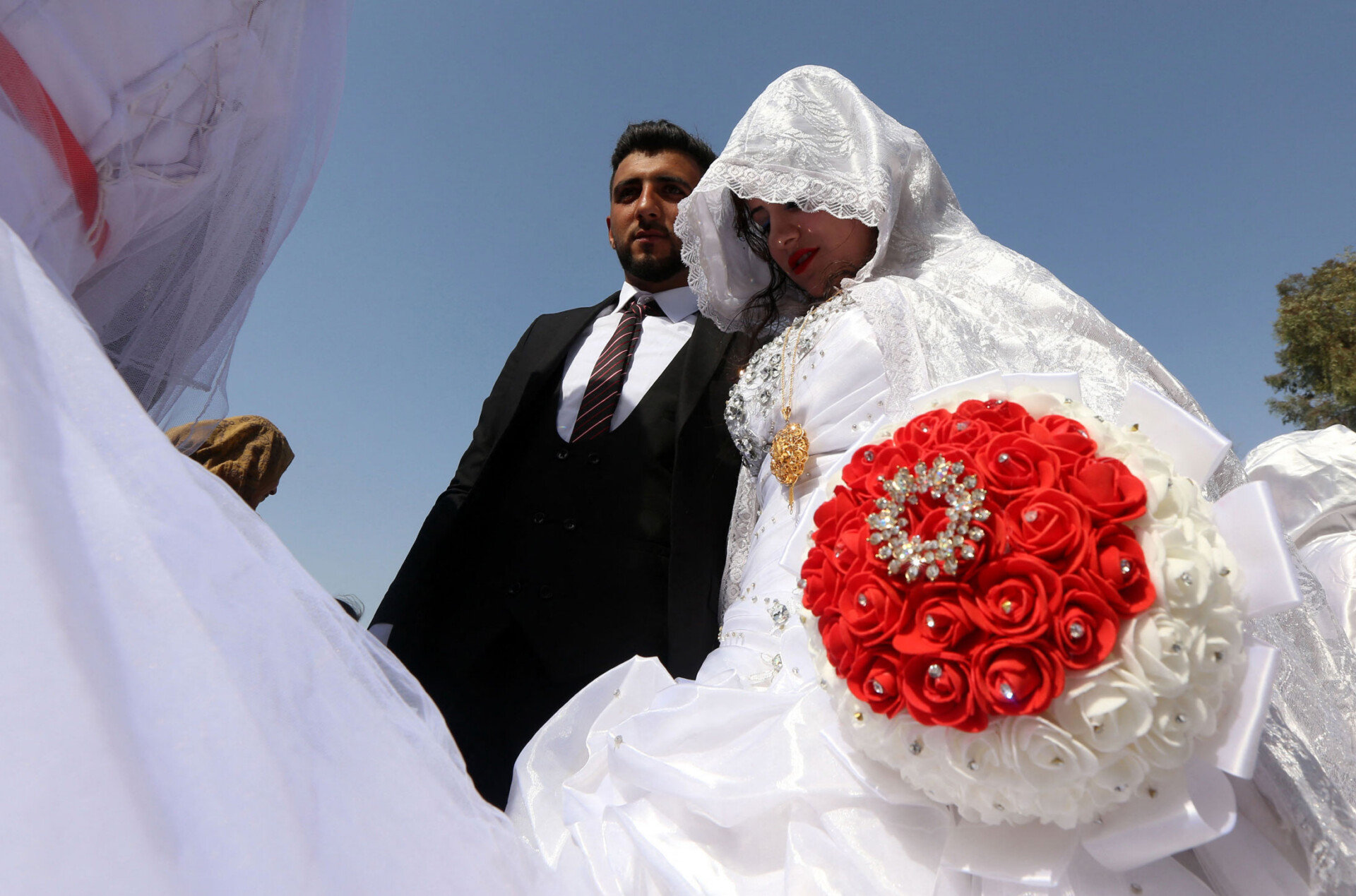
Over a decade of reporting, Sally Hayden began to feel a theme she saw as integral to a complete news story was being ignored. “I see love every day,” she tells Faisal Al Yafai on The Lede. “When I’m reporting, people will be explaining, ‘Why did you do this?’ ‘Oh, it was because I had to help my mother,’ or ‘I had to help my child.’ Everything is always related to people that they love or people that they’re caring for. I honestly see that every single day in reporting, but I don’t know that it always gets conveyed.”
Hayden’s response was to write a book, “This Is Also a Love Story,” in which she looked to address that oversight. “I decided to write this because I felt that journalism doesn’t always convey the amount of love that you see in a crisis situation,” she says. “Often I’ll interview people who almost feel like they’re being flattened — their lives have suddenly become only one thing, and they’re being associated with this terrible thing that has happened. Actually, there’s so much more to their lives than that.”
“Journalism doesn’t always convey the amount of love that you see in a crisis situation.”
Emotions like love are often deemed superfluous to many of the subjects in Hayden’s reporting abroad, she argues. She noticed a double standard in how the inhabitants of Lebanon, where she now lives, are treated by European audiences. “When the war escalated here, I’d be doing radio interviews and people in Europe would say things like, ‘Aren’t those people used to this?’ Or, ‘Aren’t they always getting bombed there?’ I’ve heard the same types of things about people making journeys to Europe — it’s almost like, ‘those people can deal with it, they’re used to this sort of thing, and we’re not,’” says Hayden, whose previous book, “My Fourth Time, We Drowned,” won the Orwell Prize.
Hayden has now seen and reported from conflicts across continents, from Iraq, to Rwanda, to Ukraine. Those conflicts quickly warped Hayden’s own sense of what merits a worthy story, she acknowledges. “One thing I find very strange about living through a war is how quickly you normalize things that shouldn’t be normal. After a while you’d be like, ‘What’s the point in reporting on this airstrike? Everybody knows this is happening.’ And that is dangerous, because actually all these things should be reported,” she says.
Although she takes care to center the experiences of her subjects, Hayden is up front about the toll reporting takes on her personally. “I was at a funeral of 12 or 13 people in southern Lebanon, six children. One was a baby who was about a month or two old. And honestly, it broke my heart,” she says. “At the end, we take photos, we take quotes, we ask people questions that can seem very insensitive.”
Hayden has come to accept that the pressure of reporting means she cannot sustain it indefinitely. “That’s why we need young journalists,” she says. “I’m always saying, this is like a relay race — we need a choir or a crowd to do this work, because it’s not possible for one or two or five people to do it.”