

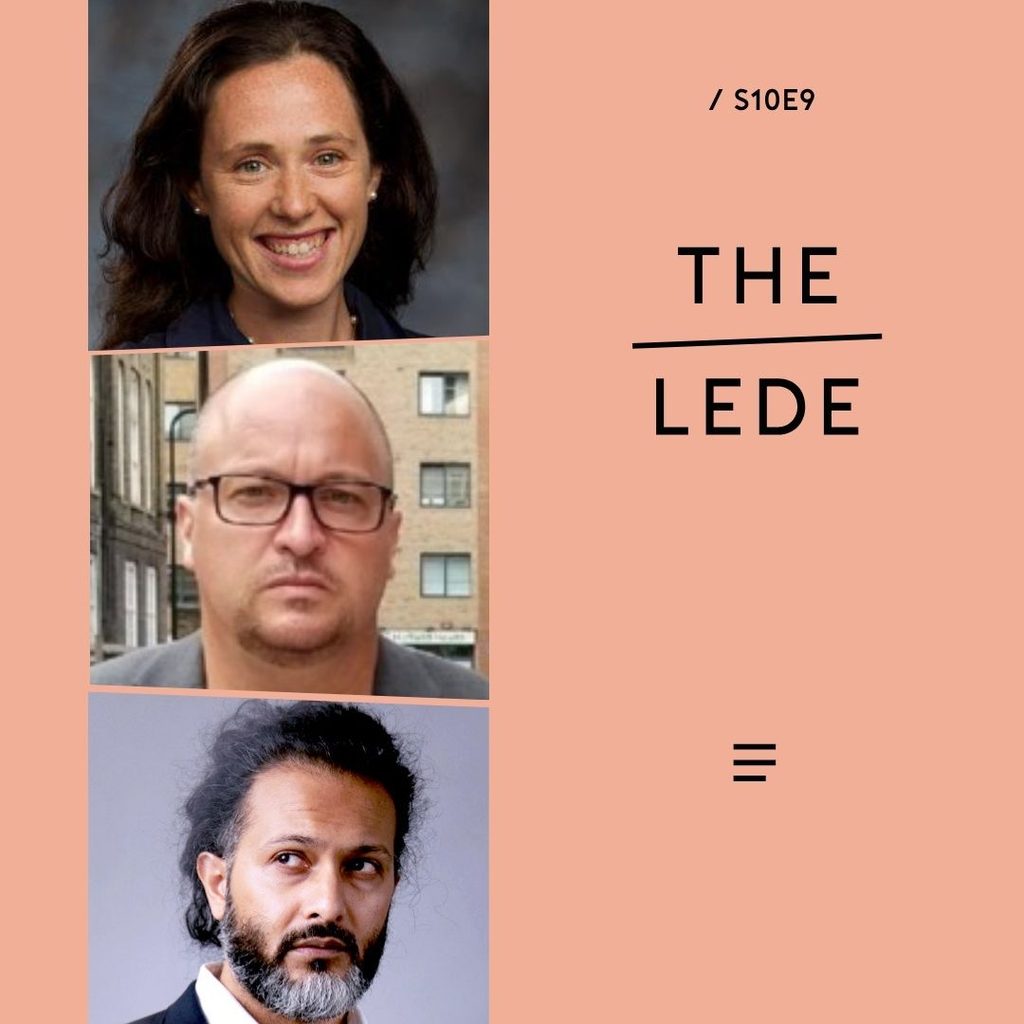
Hosted by Faisal Al Yafai
Featuring Lily Geismer and Danny Postel
Produced by Finbar Anderson
Listen to and follow The Lede
Apple Podcasts | Spotify | Youtube | Podbean
Like many Americans, Lily Geismer did not expect the extent of the Democrat victory in last Tuesday’s midterm elections. The professor of history at Claremont McKenna College and author of “Left Behind: The Democrats’ Failed Attempt To Solve Inequality,” was approached by students in the run up for a prediction — “I think AI could have given them a better answer,” she tells Faisal Al Yafai on The Lede.
That being said, Geismer was not surprised voters took out their anger on President Donald Trump, following what many see as a disastrous war in Iran. “The Iraq War was not as unpopular when it started, but this was unpopular from the start,” she says. Voters were not simply frustrated at Trump’s foreign policy choices: “Mostly it’s the compounding effects that it’s had on the economy,” she says. “You had people who were already feeling tremendous economic hardship.”
“Are there broad ideas that can unify these various different factions, or are they so broad they’re meaningless?”
New Lines’ Politics Editor Danny Postel agrees with Geismer’s assessment. “What made Trump so unpopular in this midterm election cycle was exactly the Iran War, within his own base,” he says. “So many Republicans said, ‘Wait, we voted for you because you said you were going to stop these wars, and now you’ve actually launched one.’”
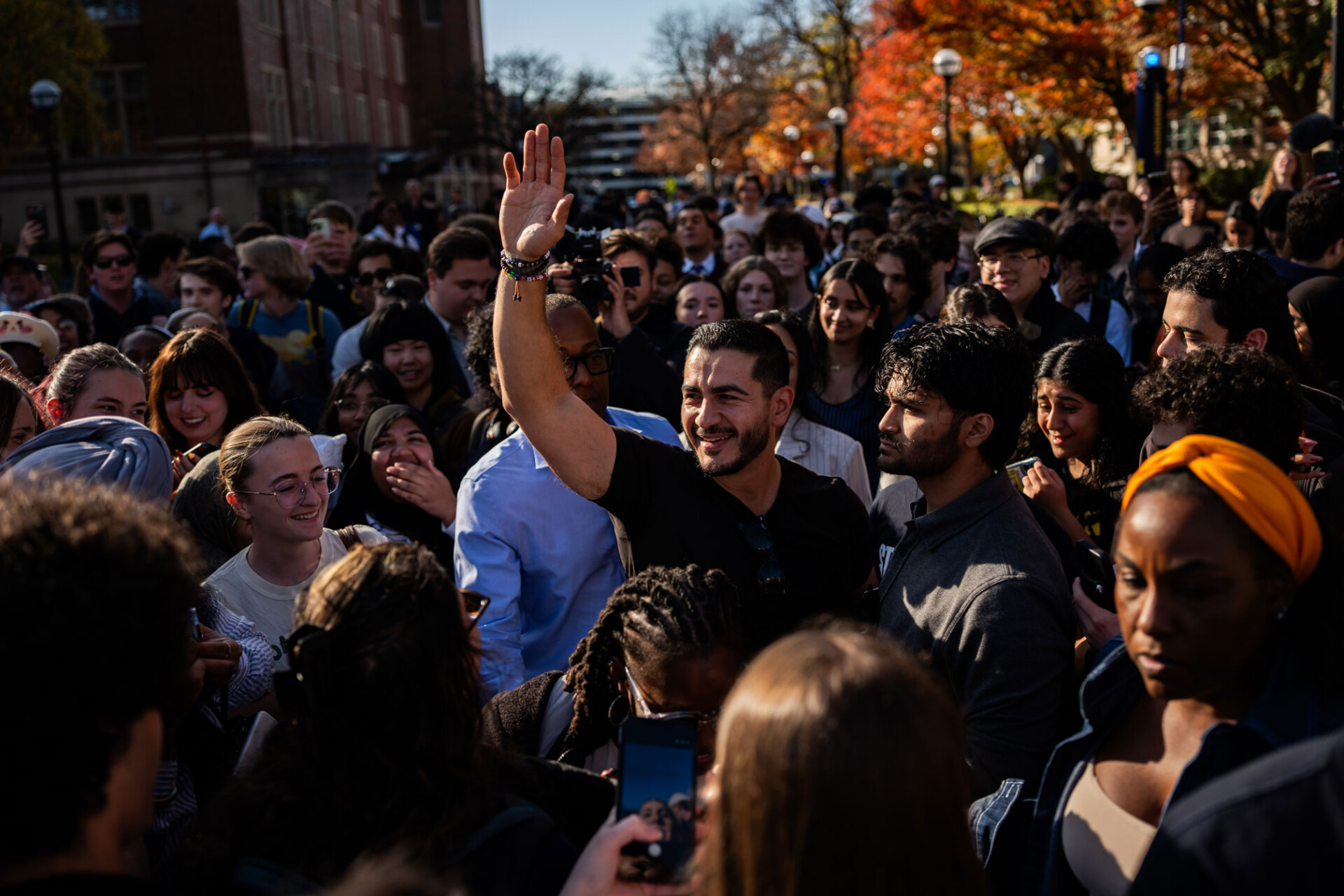
Geismer points to the election of Dr. Abdul El-Sayed to Michigan’s Senate seat — an election won, the panel notes, despite El-Sayed having to face significant racism and Islamophobia. For Geismer, El-Sayed is interesting not only because of his clear charisma, but also because he is a doctor, in contrast to the lawyers that have occupied the upper echelons of the Democratic party for decades. This, she says, reflects voters’ desire for more relatable, and less managerial, representatives.
Postel cautions against seeing El-Sayed’s victory as indicative of a sweeping win for the Democrats’ progressive wing. “The empirical facts are that both progressives and moderate Democrats won on Tuesday. It really depends on where you look in the country.”
That does not mean that a “big tent” Democrat party will necessarily win nationwide support, Geismer argues. “There’s been a desire for a big tent, but does a big tent actually work?” she asks. “One of the bigger issues that we saw in 2024 is a party without a vision, or any kind of unifying ideas of what the Democrats stand for, which I think really hurt them. Are there broad ideas that can unify these various different factions, or are they so broad they’re meaningless?”
Nevertheless, El-Sayed’s victory may signal a shift in voters’ attitudes toward America’s primary ally in the Middle East: Israel. “The way the establishment, first the Democratic establishment and then the Republicans, tried to scare Michigan voters about Abdul El-Sayed’s position on Israel didn’t work, largely because Abdul’s positions are closer to the base of the party now, especially the younger voters and even younger Jews,” Postel says. “Younger Jewish American voters are increasingly critical of U.S. aid to Israel.”