

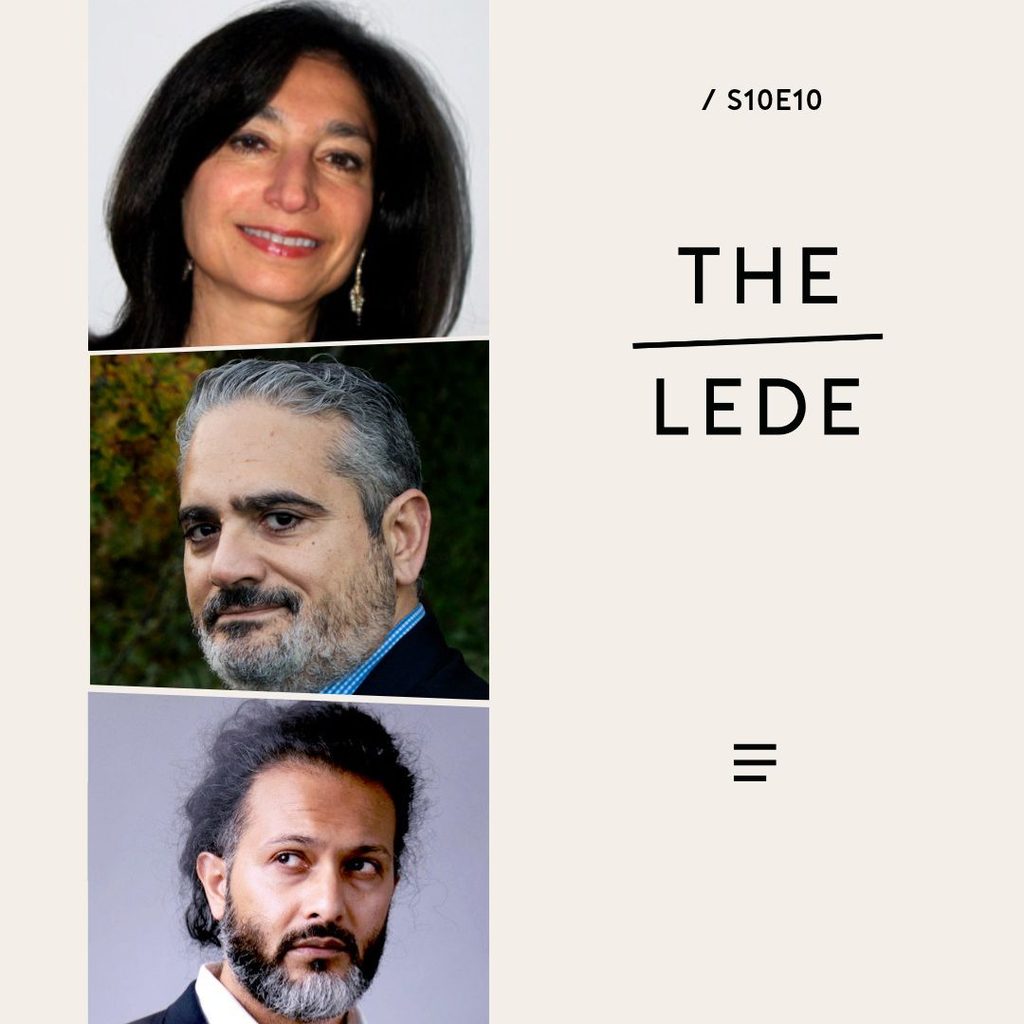
Hosted by Faisal Al Yafai
Featuring Geneive Abdo and Mohanad Hage Ali
Produced by Finbar Anderson
Listen to and follow The Lede
Apple Podcasts | Spotify | Youtube | Podbean
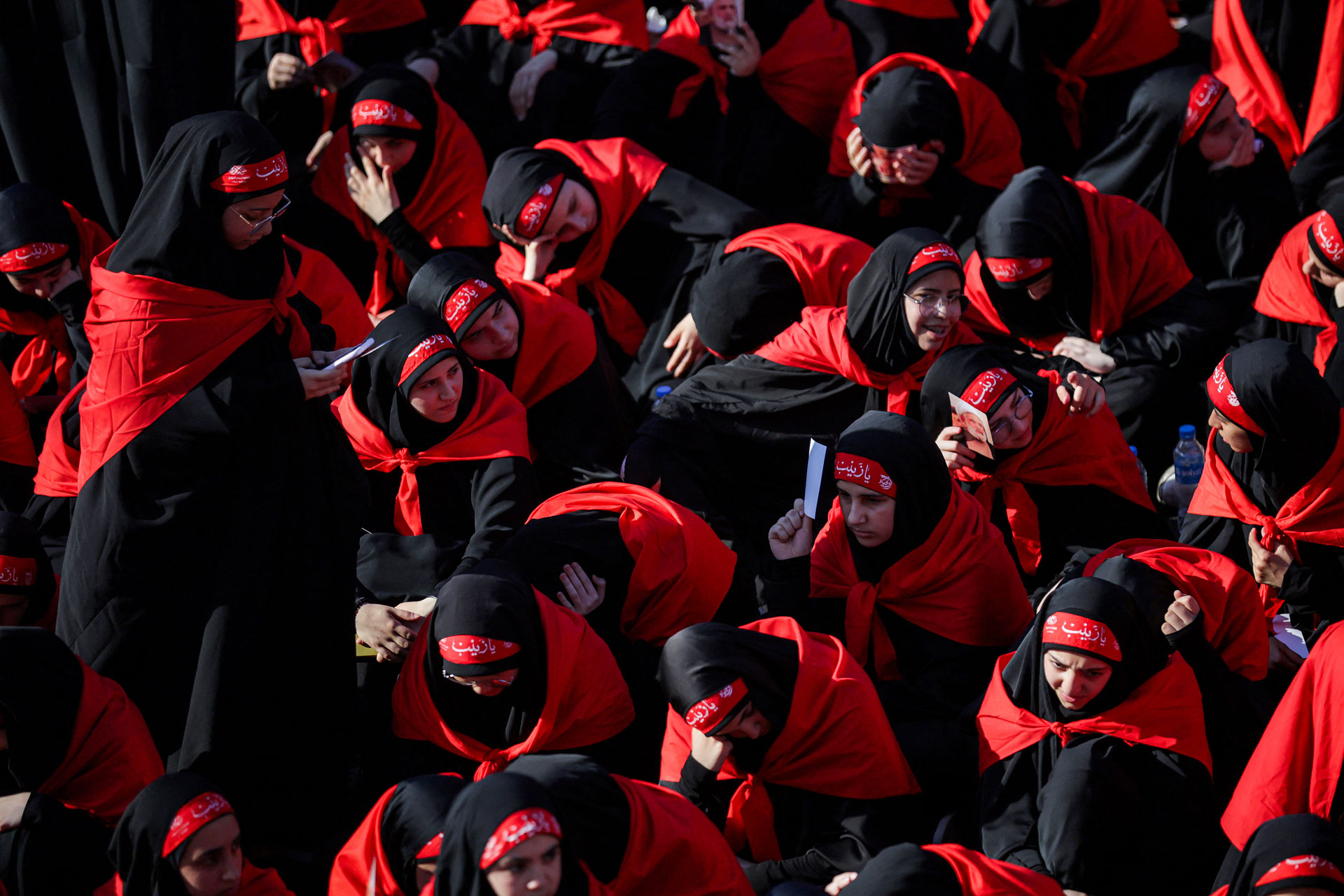
From Geneive Abdo’s perspective, the Shiites of the Middle East have been fundamentally misunderstood. “The first issue that we’re trying to debunk is that they’re puppets of Iran,” she tells Faisal Al Yafai on The Lede. “Particularly in the West, and particularly in Washington, unfortunately, where I’m sitting, that’s how the Shia have been perceived now for decades: that they’re instruments, they’re agents of Iranian expansionism in the Middle East, that they don’t really have opinions of their own, that they don’t have political agency of their own.”
The ambition to correct that misconception drove Abdo to put together a new edited volume on the topic, “The Shi’a in the Modern Arab World: Between History and Autonomy,” with chapters covering Shiite communities in countries including Bahrain, Saudi Arabia and Iraq.
“Nationalism is about your relationship with the state, your loyalty to the state as a citizen.”
Mohanad Hage Ali, author of the book’s chapter on Lebanon, argues that much of the Shiite community in that country fosters its alliance with Iran because of a dynamic set of political factors rather than any inherent driver resulting from their faith. “In Lebanon, the Shias are a minority, and they face an existential threat from Israel,” he tells Al Yafai. “If you look now at all the discourse within the Shia community, all they’re speaking about are the Uyghur, Chechen and Uzbek fighters on the other side of the border in Syria, and in the south about the Israeli threat. They’re surrounded by existential threats. So the first impulse is unity, and also adherence to whatever ally is available. And in this case, it’s Iran.”
An inherent connection between faith and politics shouldn’t be taken for granted, even in cases such as Iran, Abdo says. “It’s been sort of a secret of the Islamic Republic,” she says. “They like to project this kind of consensus, this monolithic idea of the relationship between church and state. But in fact, it was a somewhat revolutionary idea created by Khomeini that a lot of clerics, including his primary rival, never really adopted.”
If anything, Hage Ali says, Shiite identity has at times been manipulated for political ends. “When you look at the sheer numbers and the great investment that Iran has made in Hezbollah, we’re talking about billions of dollars into a small group within a small community,” he points out. “Hezbollah was a project of that sort, in the sense that they said there’s a unified Lebanese Shia identity. We’re part of a greater ummah. And they tried to inject that in a community that was not unified, historically speaking.”
Abdo sees a historic irony in Washington’s fear of Islamism more generally. In Iraq, for instance, “It was the United States, let’s not forget, that was instrumental in basically handing over the government to the Islamist parties that they, of course, then disavowed and fought against,” she says. “Nationalism isn’t about Shiism. Nationalism is about your relationship with the state, your loyalty to the state as a citizen.”