

Argentina
Soccer and War
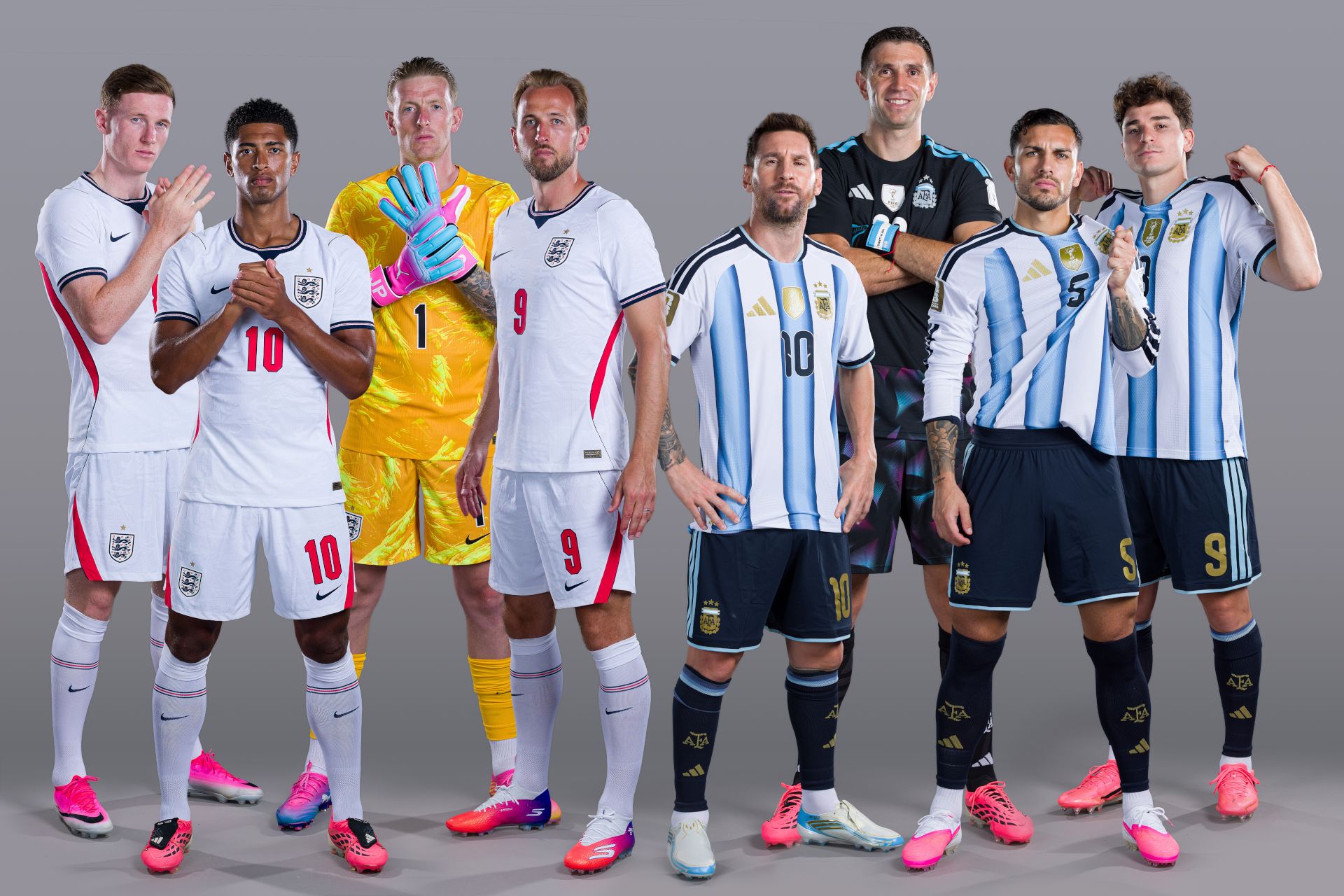
When Argentina and England square off in the World Cup, it is much more than a game of soccer — it unearths a long history between the two nations and conjures the ghosts of the 1982 Falklands war. That history weighs heavily on Argentines.
Messi’s Political Silence
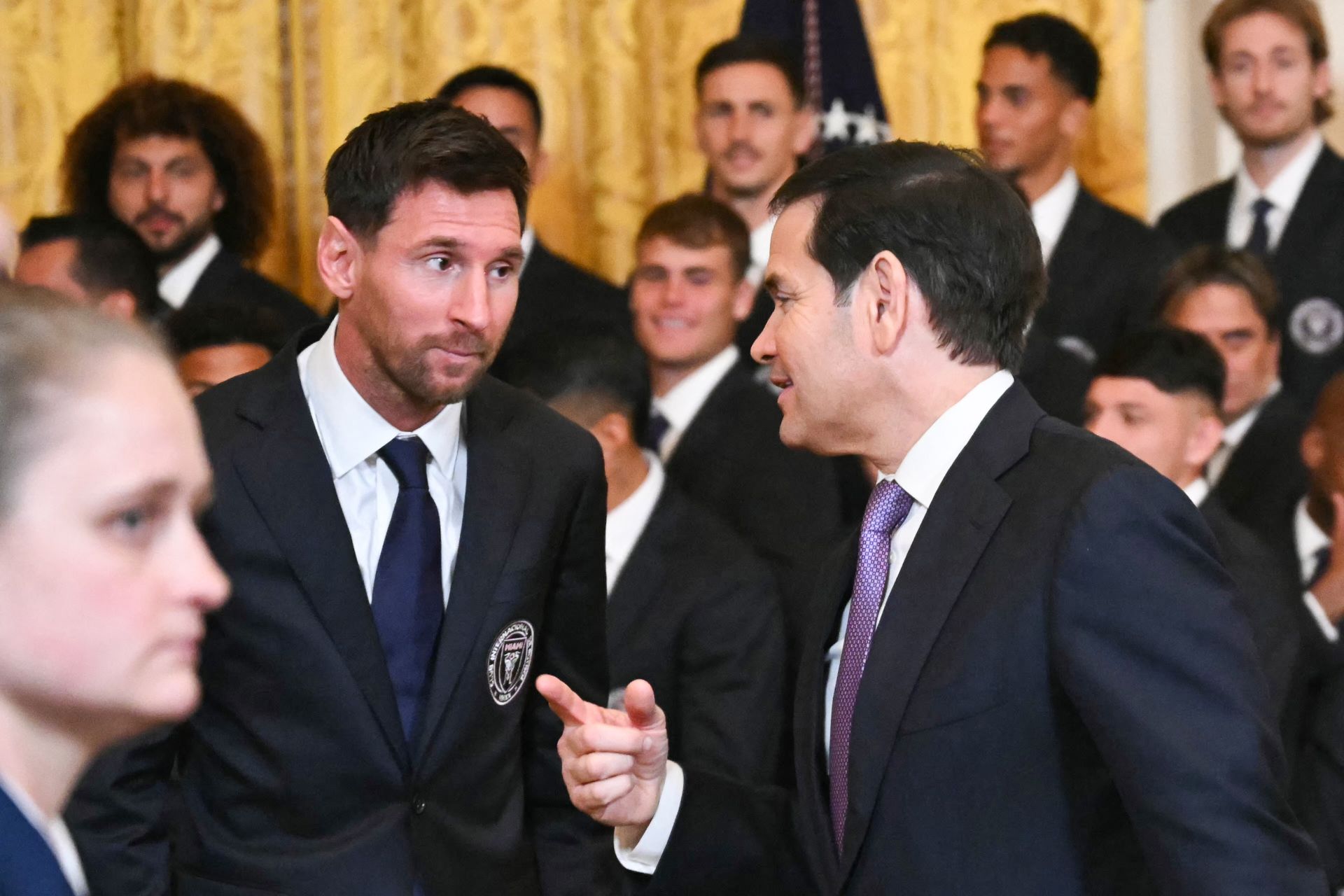
Lionel Messi is among the most recognizable individuals in the world. But unlike stars who have directly experienced some form of inequality — such as Kylian Mbappé and Vinícius Júnior — he holds no political opinions and avoids any public stances that could stir controversy.

Latin American Fans Are Turning Their Backs on Argentina
In Qatar 2022, Argentina could count on the support of the rest of the region. This time the tide has turned, with many rooting against their neighbor.
What Is Peter Thiel up to in Argentina?
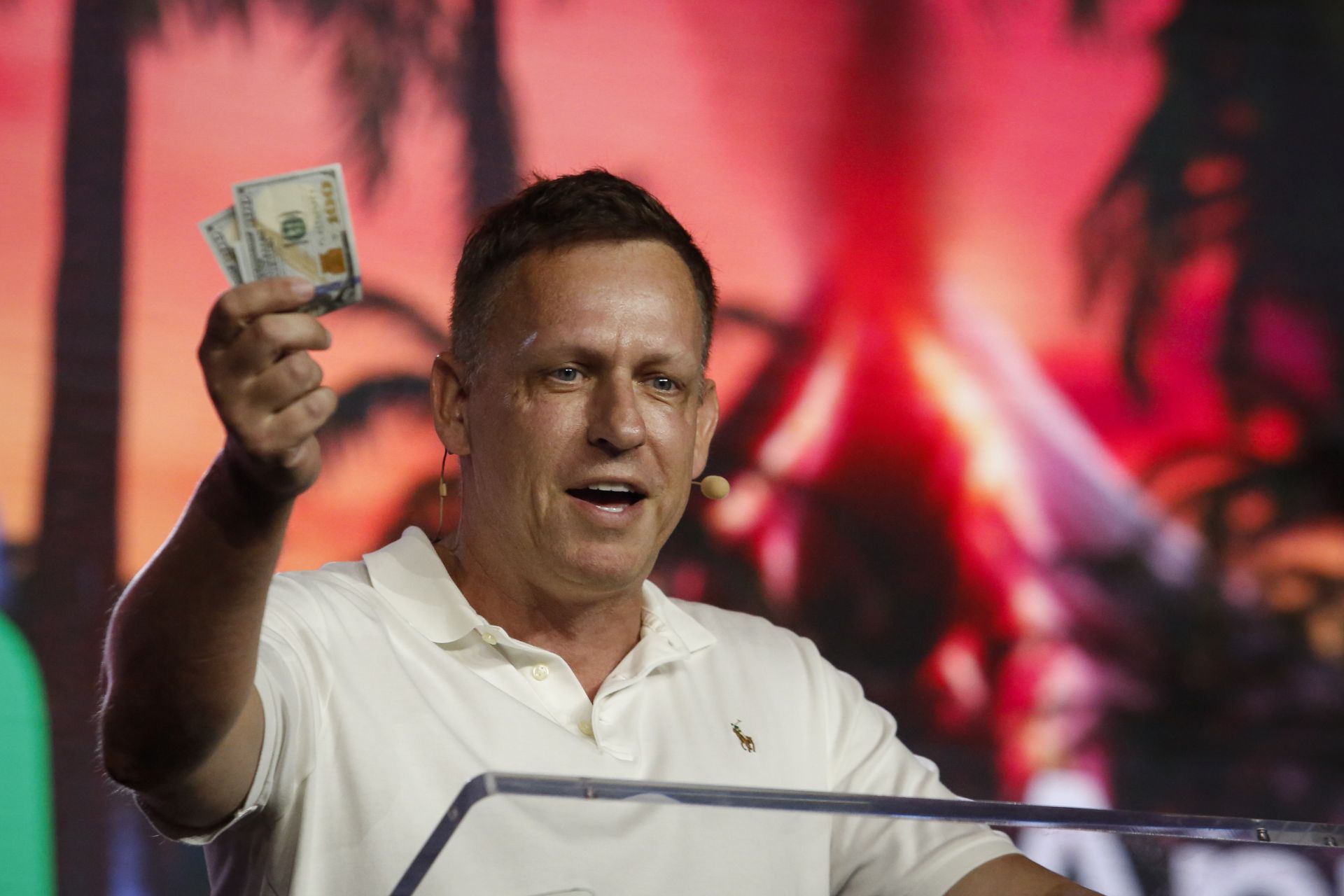
The right-wing tech billionaire Peter Thiel’s recent move to Argentina is about more than fleeing taxes, prepping for catastrophe or an affinity with libertarian President Javier Milei. It reflects a geopolitical calculation about what Argentina offers: a low-cost political and economic laboratory with an abundance of critical resources.
Despite the Trophies, Messi Will Never Mean What Maradona Does for Argentines
In March this year, Lionel Messi met Donald Trump at the White House, in a moment that showed the soccer icon’s apparent indifference to the current political climate and the president’s threats to Latin American countries’ sovereignty. For Argentines, the implication was clear: Messi is no Maradona.
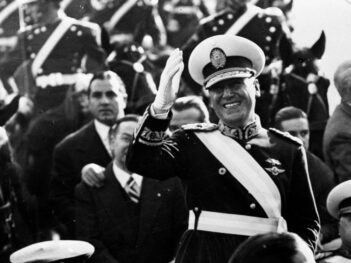
What Is Peronism?
Since its emergence in 1945, Peronism has profoundly shaped Argentina’s political landscape. Its power lies in its capacity to turn popular, everyday experience into a political vision. This distinctive trait has allowed it to take very different forms — from progressive to right-leaning — and to influence political movements across Latin America.
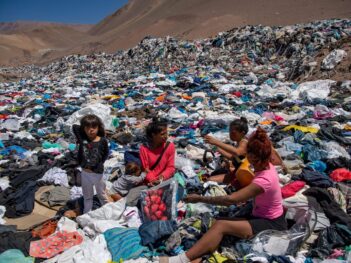
Shein Is Booming in Argentina
Argentina’s fashion sector, long shielded by tariffs, is unraveling under President Javier Milei’s trade liberalization, as local brands are left struggling to compete with international fast-fashion retailers. Beyond the shopping malls is a deeper story, of affordability versus exploitation and ideology versus economic constraints.