

history
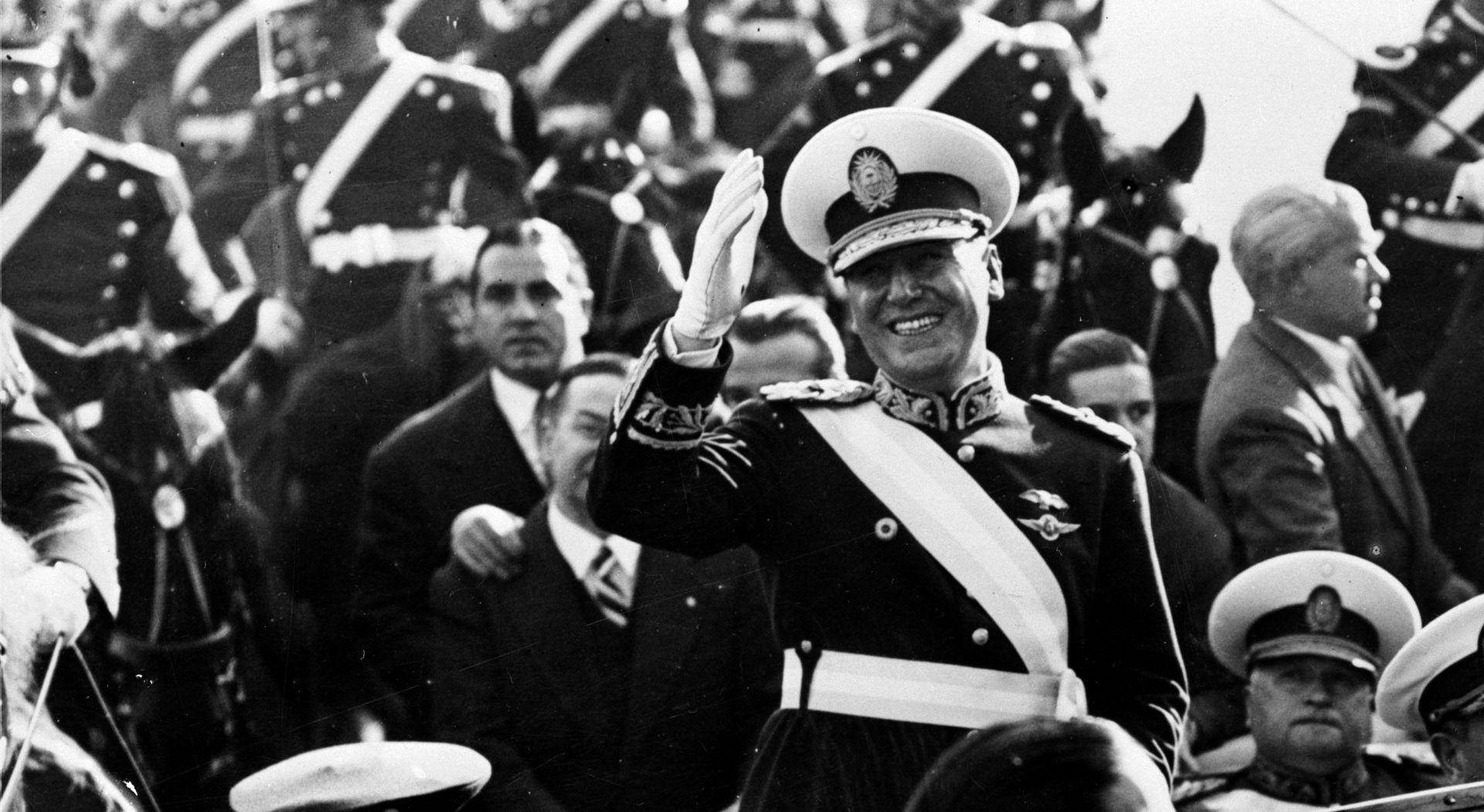
What Is Peronism?
Since its emergence in 1945, Peronism has profoundly shaped Argentina’s political landscape. Its power lies in its capacity to turn popular, everyday experience into a political vision. This distinctive trait has allowed it to take very different forms — from progressive to right-leaning — and to influence political movements across Latin America.
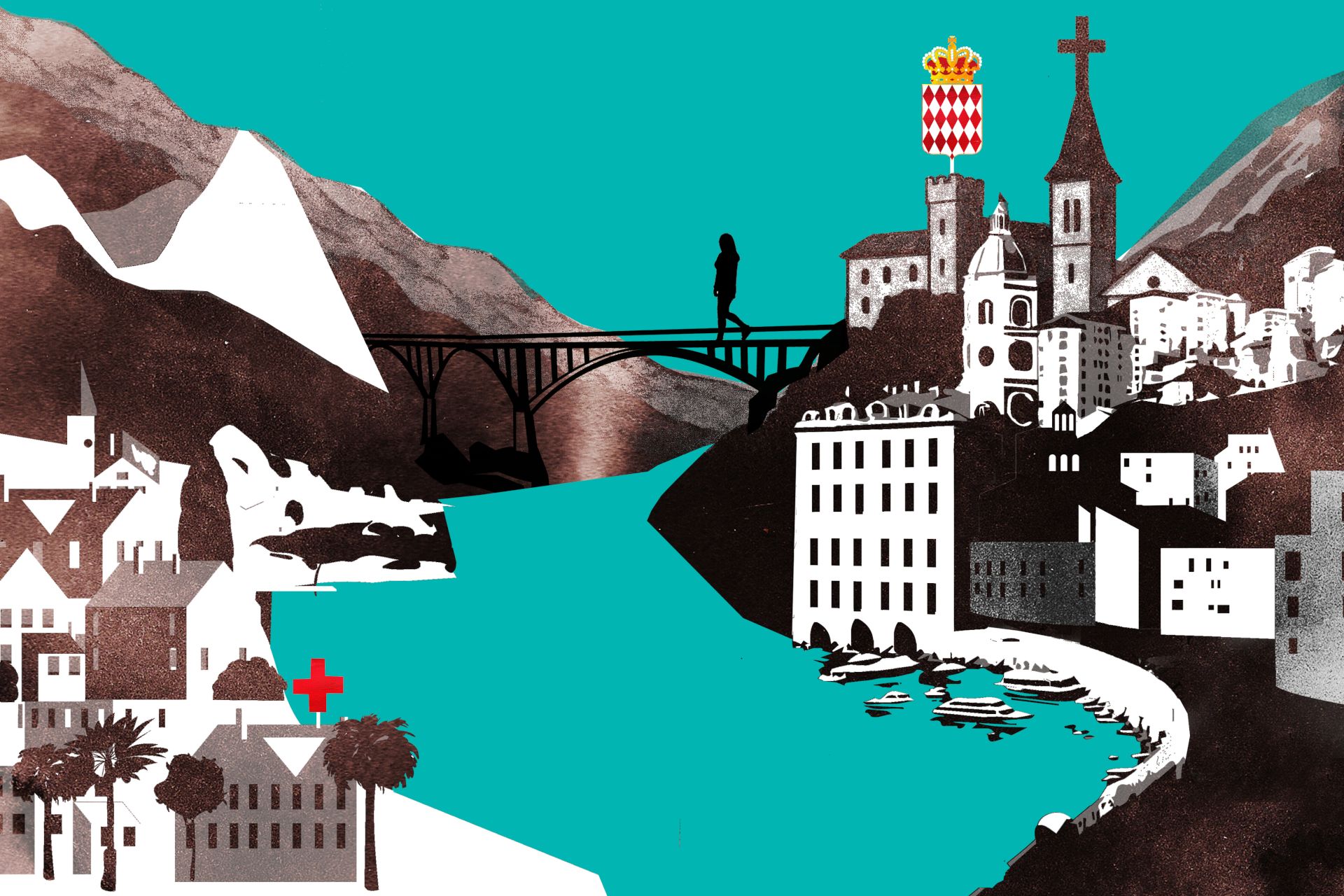
A Royal Abortion Blunder
Women from Monaco may cross into neighboring France to obtain an abortion, as they have for decades, but within the borders of their own city-state, the procedure will remain out of reach — prohibited not by medicine, lawmakers or public opinion, but by the monarchy’s religious architecture.
How a House in Mount Lebanon’s Zabbougha Survived Wars, Famine and Loss
A British-Lebanese author recalls his family's experiences of war, famine, coups and migration — and the enduring mountain home that witnessed it all.
The Unruly History That Weighs on the New Syria
The challenges facing Syria today are connected to three previous beginnings: the fall of the Ottoman Empire at the end of World War I, independence in 1946 after World War II and the fall of European colonial empires, and the birth of Hafez al-Assad’s regime in 1970.
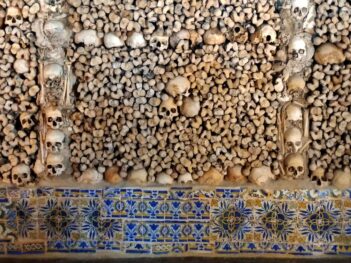
Dictators and Dry Bones
The powerful figures of the 21st century seek control over humanity’s greatest equalizer — death. It is just this kind of grandiosity that Franciscan monks were trying to tackle when they built the Chapel of Bones at Evora, Portugal.
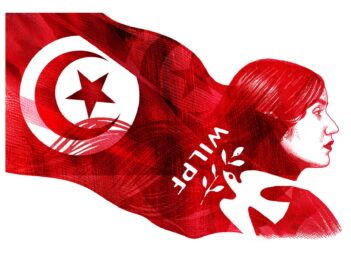
How Anti-Fascism United French Women Pacifists With Tunisia’s Independence Movement
In the 1930s, a group of French women pacifists in Tunisia fighting against fascism began to see the oppression of French rule up close — and became allies of the country’s independence movement.
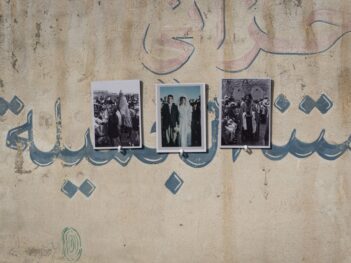
The Forgotten Photographs of Iraq’s Yazidis
Buried for 90 years, a cache of Yazidi photographs has become a bridge between the Iraqi community’s past and today.