

Soccer fans have a lot to look forward to over the summer with the upcoming World Cup, but this weekend many will tune in to the final of the Champions League, Europe’s premier club competition, which will take place on Saturday in Budapest between Paris Saint-Germain (PSG) and English champions Arsenal. The final and the question of which team to cheer for have brought Gulf money and its role in international sports into sharp relief.
Normally, the question of which team to support as a neutral soccer enjoyer is a factor of complex personal choices, from local club rivalries, cultural affinities, whether you prefer to cheer for the underdog or the star-studded favorites, and your preference for style of football. Arsenal is known for its defensive prowess, which helped it secure its first English Premier League title in 22 years, while PSG’s free-flowing attacking style has earned it the admiration of soccer watchers, and many consider it the strongest club in the world.
But the investment of Gulf monarchies in top soccer clubs has brought an added dimension to the question: Does supporting PSG in the final count as a form of “sportwashing” because they are essentially owned by the state of Qatar?
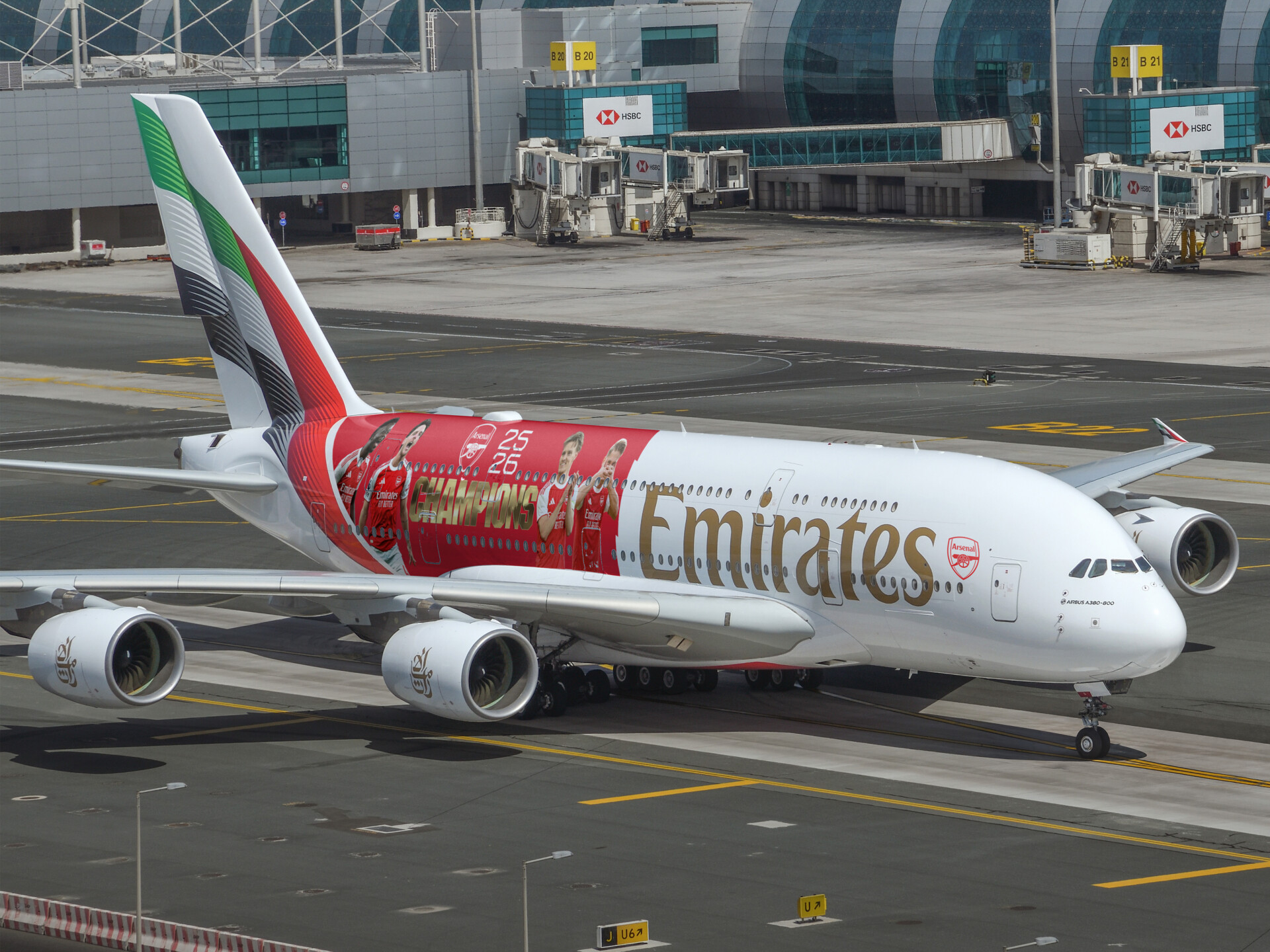
Gulf money is all over the top flights of European soccer and has been for years, and Gulf influence has been a question of consternation ever since, including during Qatar’s hosting of the World Cup in 2022 (Saudi Arabia will host it in 2034). Arsenal’s home ground is called Emirates Stadium, after the Dubai-based airline that is also its shirt sponsor (it is also the shirt sponsor for Real Madrid), and its main competitor for the Premier League title, Manchester City, plays at the Etihad Stadium, named after the Abu Dhabi-based airline.
Of course, the issue extends beyond the cultural cachet of having a title-defining match in England’s most prestigious tournament at the Emirates or the Etihad stadiums. Sheikh Mansour bin Zayed, the vice president of the United Arab Emirates, outright owns 80% of Manchester City, having completed the takeover of the club in 2008, an event that propelled it from a bit player in English soccer to a decorated juggernaut with seemingly endless cash to spend on star players and coaches.
Saudi Arabia’s Public Investment Fund acquired Newcastle United in 2021, but the team has yet to see much success, hampered by new financial regulations governing Premier League transfers. The kingdom’s local league teams, however, have paid hundreds of millions of dollars to sign players like Cristiano Ronaldo to promote the competition.
PSG, meanwhile, is owned by Qatar Sports Investments, an arm of the state’s sovereign wealth fund, which bought a controlling stake in the club in 2011, and a year later became its sole owner, installing Qatari businessperson Nasser Al-Khelaifi as president. Al-Khelaifi presided over PSG’s emergence as one of Europe’s most powerful clubs, at one point featuring an attacking front line that included three of the world’s most expensive superstars — France’s Kylian Mbappé, Brazil’s Neymar and Argentina’s Lionel Messi, who all likely cost the club a combined total of over a billion dollars in transfer fees and wages. The club also hired Spanish coach and Barcelona legend Luis Enrique, who eventually built a team around a younger generation of players meant to dominate European soccer for years (it won the Champions League last year as well, after cruising to a 5-0 victory in the final against Italian side Inter Milan).
The question of Gulf ownership has, as a result of the enormous success of these clubs, become part and parcel of fan debates around European competitions. Part of it is a sense that these clubs are subverting financial rules and regulations, using the resources of nation-states keen on promoting their brands and soft power in the European cultural milieu, creating unfair advantages and, in essence, cheating. Manchester City is facing a slew of 115 charges brought by the Premier League accusing the club of alleged breaches of financial rules and regulations, with punishments, if they’re found guilty, that could lead to stripping some of its titles and potential relegation from the competition (the club has denied all allegations).
But the other issue touches on the morality of supporting clubs backed by nation-states with bad human rights records or that are involved in terrible conflicts. This issue is unique because it places the onus of understanding complex geopolitical events on ordinary fans, some of whom have been following these clubs for decades. Qatar’s labor rights issues and its anti-LGBTQ laws have long been talking points of critics since it was chosen to host the World Cup. Meanwhile, the UAE’s role in the ongoing civil war in Sudan, which has been designated a genocide, is frequently brought up in debates around supporting Manchester City.
This year, whoever wins in the Champions League final, whether it’s the team with Emirates plastered on its jersey or the one owned by Qatar, the Gulf will have also won.