

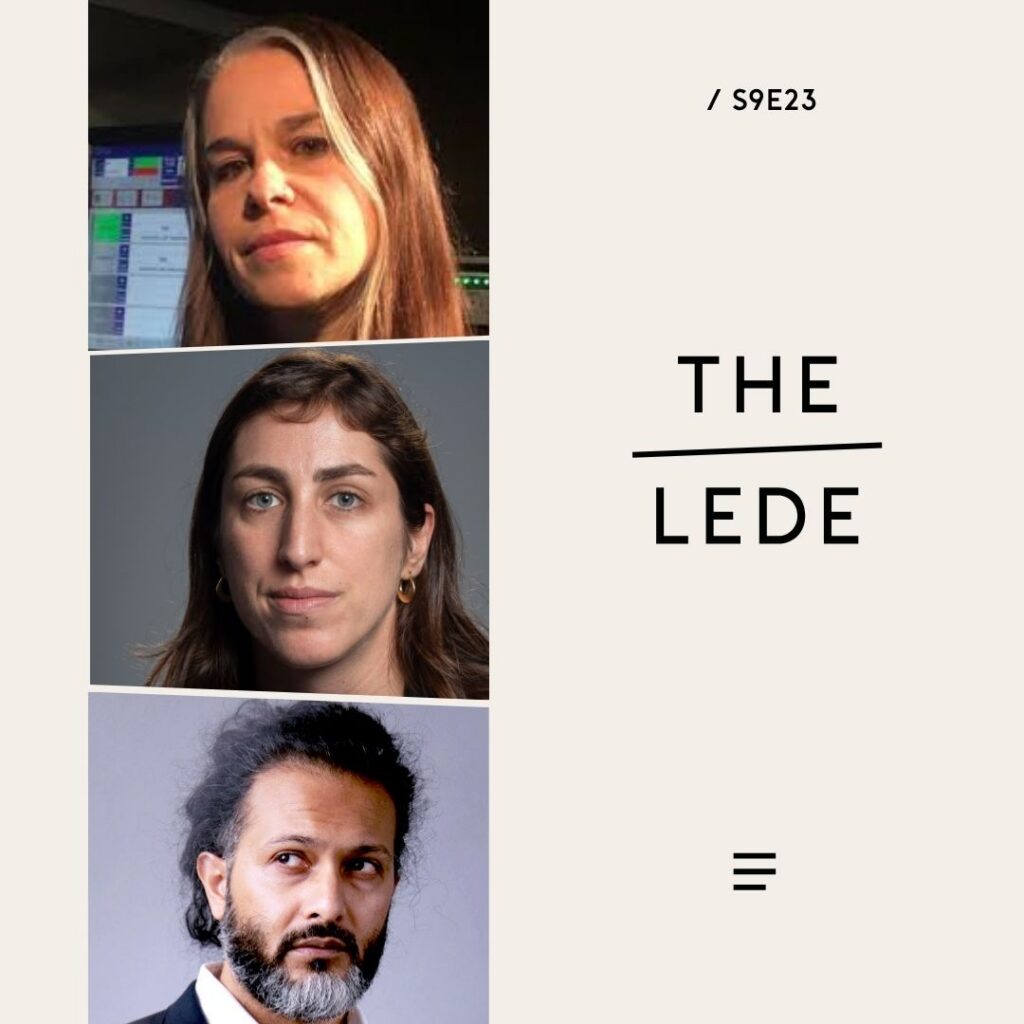
Hosted by Faisal Al Yafai
Featuring Chloe Hadjimatheou and Sarah Dadouch
Produced by Finbar Anderson
Listen to and follow The Lede
Apple Podcasts | Spotify | Youtube | Podbean
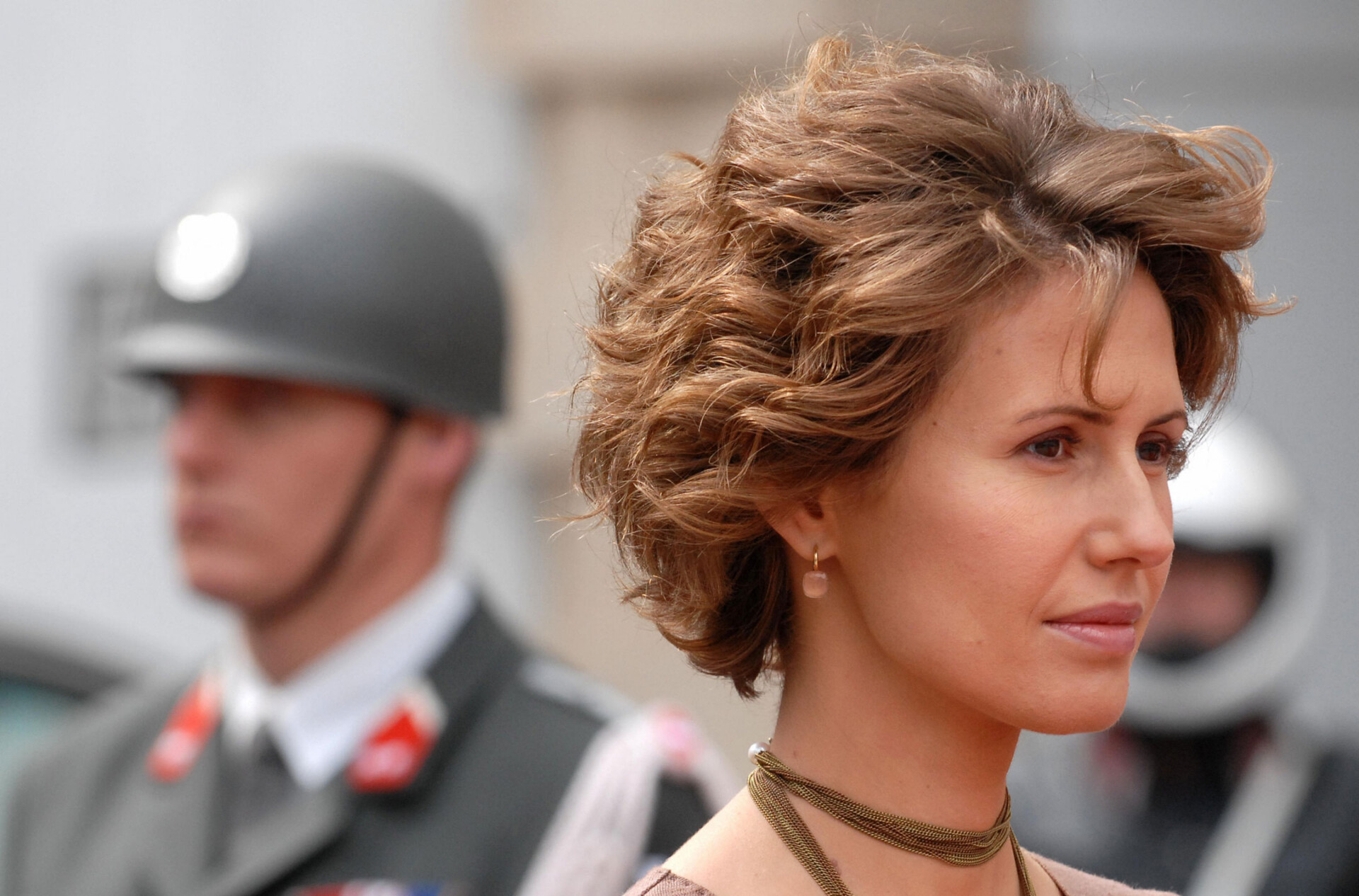
For Syrians growing up under the regime of Bashar al-Assad, the image of the dictator was all-pervasive — an ever-present reminder of the regime’s reach and power. And at his side, his wife, Syria’s first lady Asma al-Assad, had a power all of her own.
“I remember hearing her speak one time — one of her first speeches,” journalist Sarah Dadouch tells Faisal Al Yafai on The Lede. “I remember telling my dad, ‘This is the first time I feel proud to be Syrian.’”
“She really took the reins of business and the economy and began to become a power entity for herself within the regime.”
Asma, described in a now-infamous Vogue article as a “rose in the desert,” was a key asset to the Syrian regime both at home and abroad, Dadouch says. “She was a chic, intelligent, well-spoken, beautiful woman. I would add a really important adjective to that: British. That was important for world leaders outside looking in, thinking, ‘Oh, this is one of us there. She has our ideals. She grew up with our standards.’”
A new podcast series for the Observer, “We Call Her Emma,” produced by Dadouch and hosted by investigative journalist Chloe Hadjimatheou, explores Asma’s journey from her childhood in a West London suburb to the halls of power in Damascus and her fall from grace with the regime’s collapse, and what her story says about how people acquire and maintain power at the highest levels.
Hadjimatheou, the show’s host, is quick to dispel any idea that Asma was a naif caught up in events bigger than her. “She wasn’t some kind of uneducated innocent; she knew what was going on in Syria,” Hadjimatheou tells Al Yafai. “There’s no way she didn’t know the dark side of what was going on. If I knew as an outsider, then she knew.”
Once in power, the first lady set about accruing power and influence, particularly after the Syrian Revolution broke out. “She really took the reins of business and the economy and began to become a power entity for herself within the regime,” Hadjimatheou says. “That grew proportionately with Syrians getting poorer and suffering more and more in the war economy.”
Hadjimatheou recalls one of her sources, who acknowledges that Asma’s proximity to Syria’s president may have restricted her ability to flee. “What I understood him to be saying was: ‘I’m not blaming her for not getting out. I’m blaming her for what she did after that.’”
Al Yafai suggests that a Western education or upbringing often sees those in proximity to authoritarian systems credited, often unduly, with reformist tendencies. Dadouch concurs, adding that Asma’s gender would have contributed to such an idea. “There’s this whole idea of, ‘How could Asma let this happen? She’s British, and she’s a woman, and we thought she was going to be different.’”
For her part, Dadouch is skeptical the country will ever see justice for what Syria suffered at the hands of the Assad family. “The people that he and his family ruled over are still very much living in the country and suffering the consequences of it,” she says. “Until there’s some kind of understanding and peace that comes from intracommunity conversations — that, I think, is our best hope for justice.”