

Hosted by Kwangu Liwewe Agyei
Featuring Tolbert Nyenswah and Patrick Gathara
Produced by Finbar Anderson
Listen to and follow The Lede
Apple Podcasts | Spotify | Youtube | Podbean
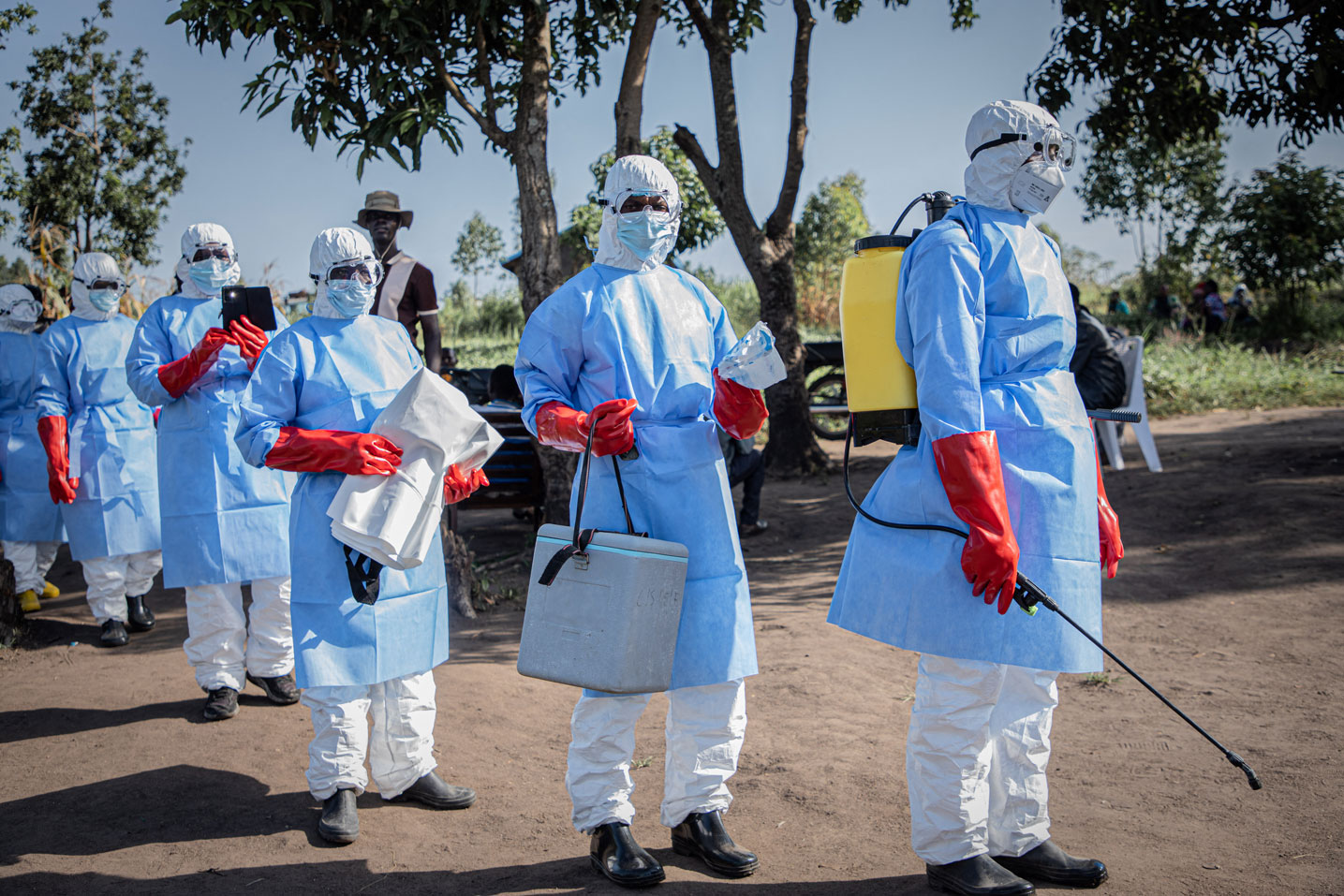
Having been a key part of Liberia’s successful response to the 2014-2016 Ebola pandemic, Dr. Tolbert Nyenswah knows the disease’s current spread into East Africa could be devastating. “The virus is ahead of us, and the response is late,” the public health expert tells Kwangu Liwewe Agyei on this week’s episode of Global Insights on The Lede. He warns that community fear and a lack of personal protective equipment mean this “could be one of the deadliest outbreaks in history, surpassing the West African outbreak if we don’t do everything possible.”
The response needs to be international, Nyenswah argues. “Diseases have no passports. They know no borders,” he says. “What they know is for you to contain and respond to them.”
Nevertheless, the politics of the international humanitarian response can alienate local communities and potentially impede the response, he says. “There is mistrust in the community. They feel Ebola is a cash cow when they see foreigners in their communities they didn’t use to see before. They feel foreigners are using Ebola to get money from them.”
“This could be one of the deadliest outbreaks in history.”
Patrick Gathara, a senior editor for the New Humanitarian based in Nairobi, reinforces the concern that the international response can be hampered by political issues. A move to open an Ebola treatment center in Kenya catering specifically for Americans proved hugely controversial. “There is an undercurrent of assumptions that somehow Kenyans are willing to tolerate risks that Americans wouldn’t want on their own home ground,” Gathara says.
“Even if you take the government’s case on its face — that we’re in a transactional international environment, that we have to do nice things for America so they can do nice things for us – what are they doing that is good for us? What is that we are getting in return,” he continues.
The Kenyan government has itself to blame for the lack of trust felt by its people, Gathara argues. “These are the very same people who, when our young people went out to protest, were abducting them in the streets, disappearing them, shooting and killing them. It’s not a government that the vast majority of the population imagines as a good-faith actor.”