

Iran
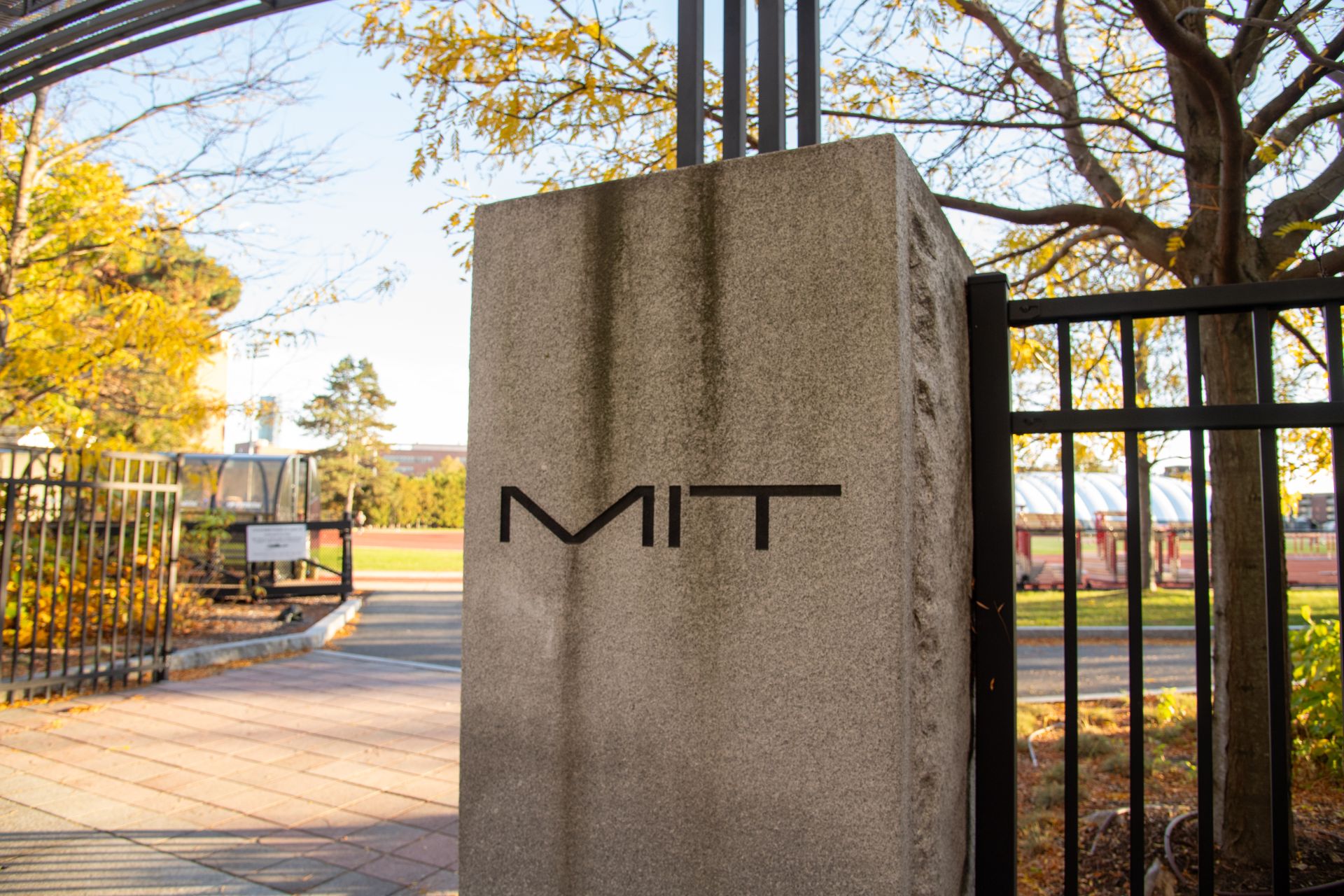
The Shah’s Nuclear Scholars
In 1975, MIT took the Shah of Iran’s money to train the country’s first generation of nuclear engineers, and the campus debate that followed, preserved in the university’s archives, anticipated the war being fought over that program today.
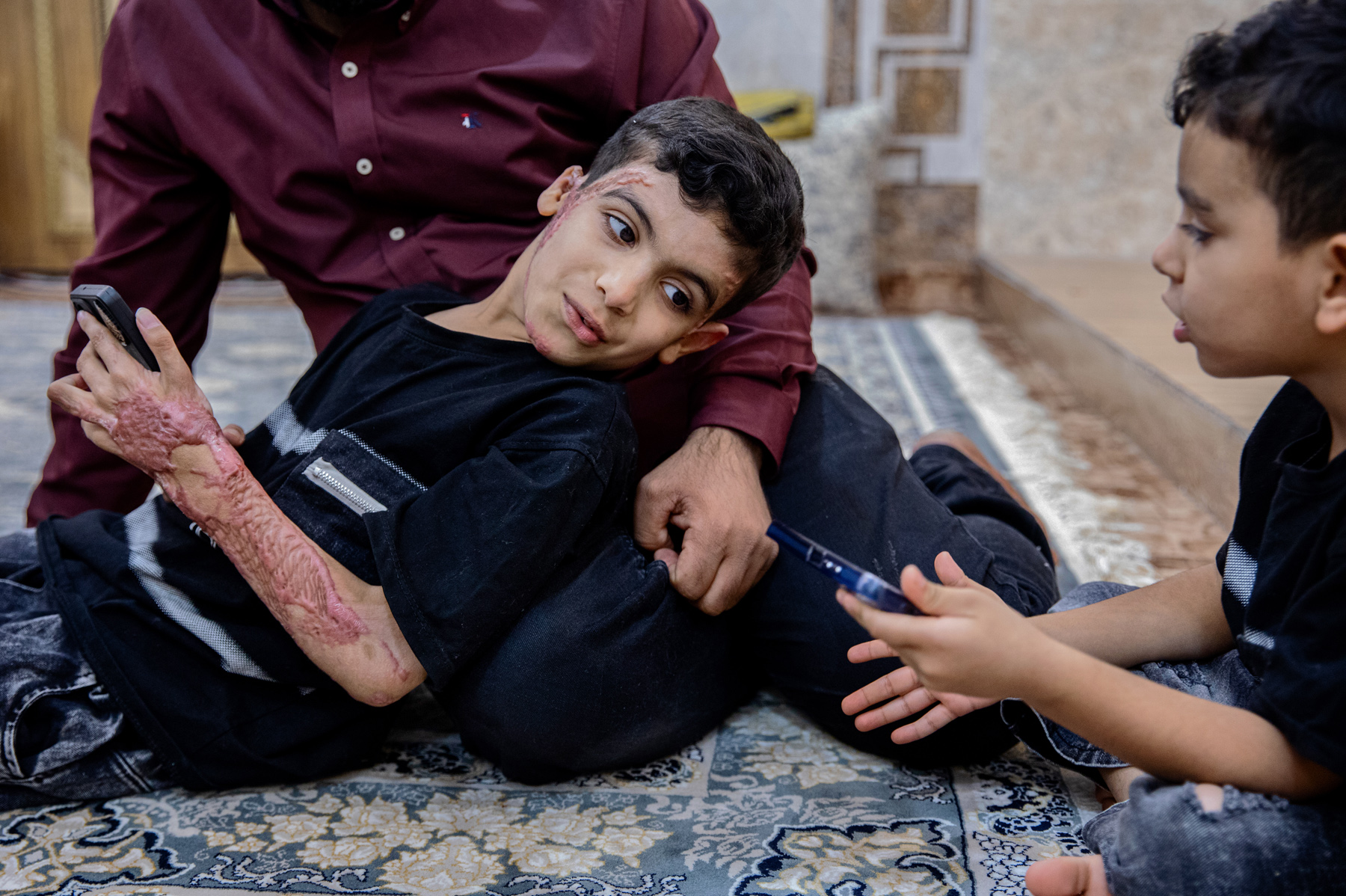
Southern Iran in the Shadow of War
A writer journeys through Hormozgan province, from Bandar Abbas fish market to the graves of Minab's schoolchildren and a bombed wedding in Kuhestak, where residents say the ceasefire never arrived.
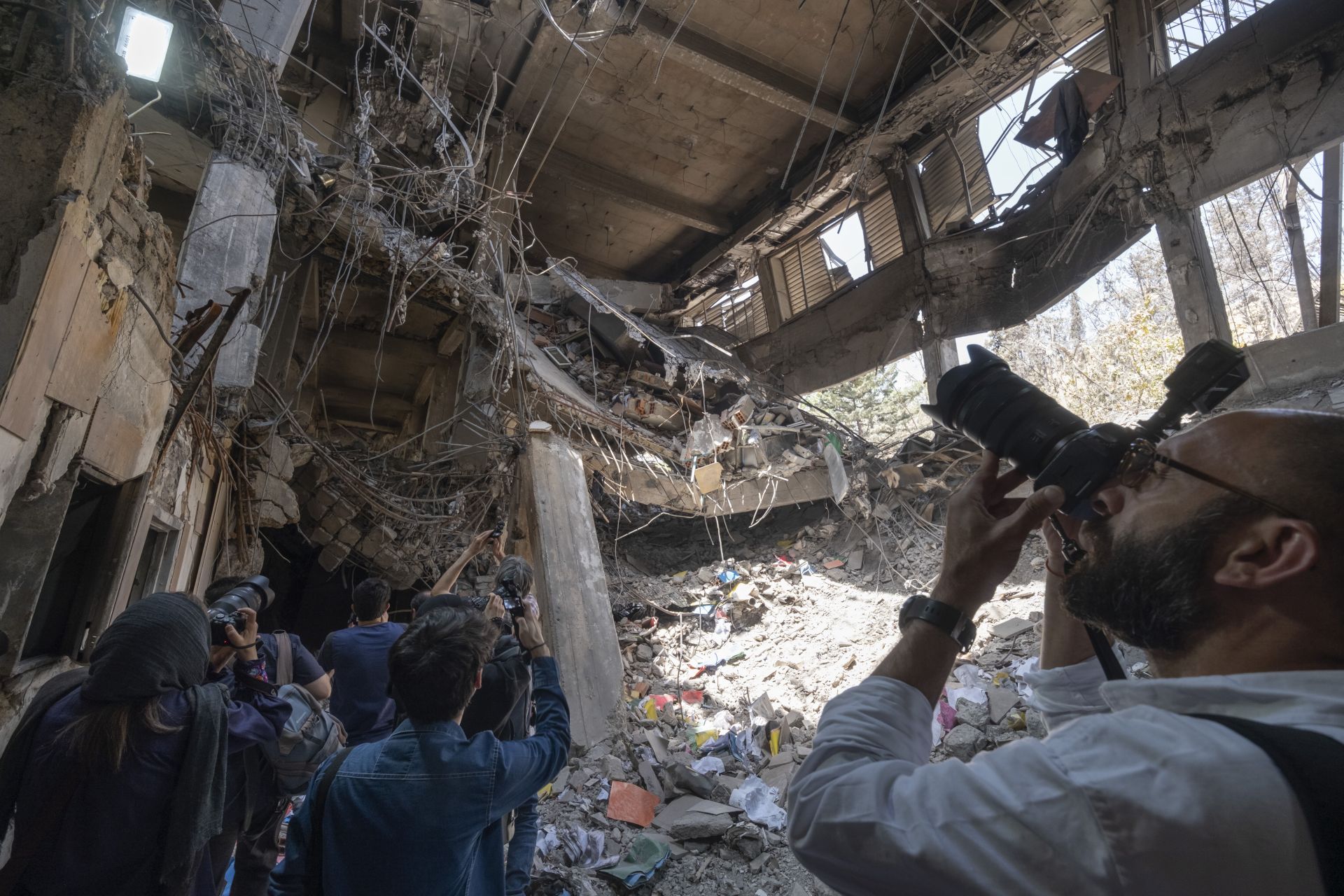
The Attacks on an Open Letter to Iran’s Political Prisoners Are Misguided
An open letter in solidarity with Iran’s political prisoners drew vitriolic condemnation from parts of the anti-imperialist left. Yet much of the criticism the signatories faced was either mistaken or myopic.
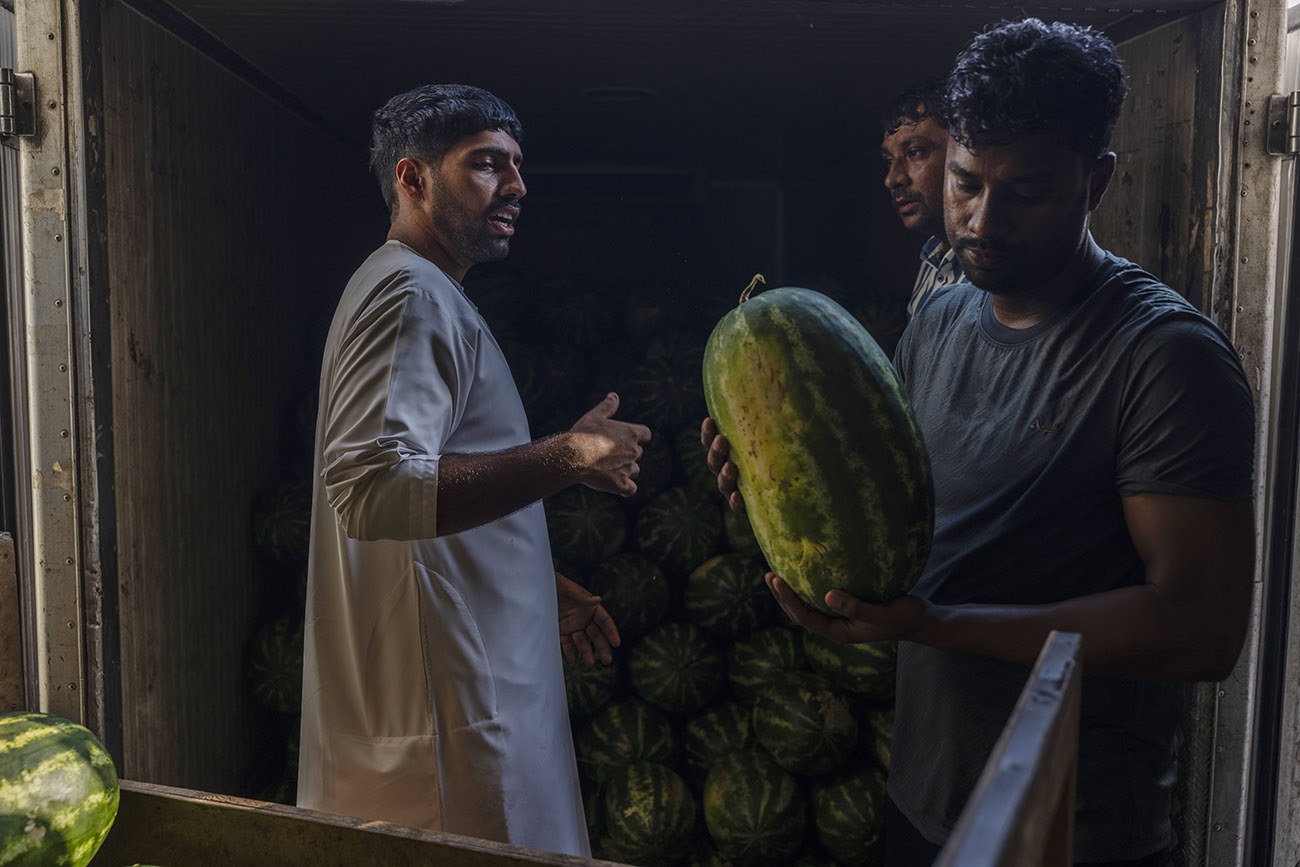
In Dubai, Trade Continues on the Front Lines of the Iran War
After more than six months of war with Iran, the UAE has vowed to stop all trade with its neighbor. Yet fruit and vegetables from Iran still reach the Gulf states daily, showing how tightly the region’s economies are bound together.
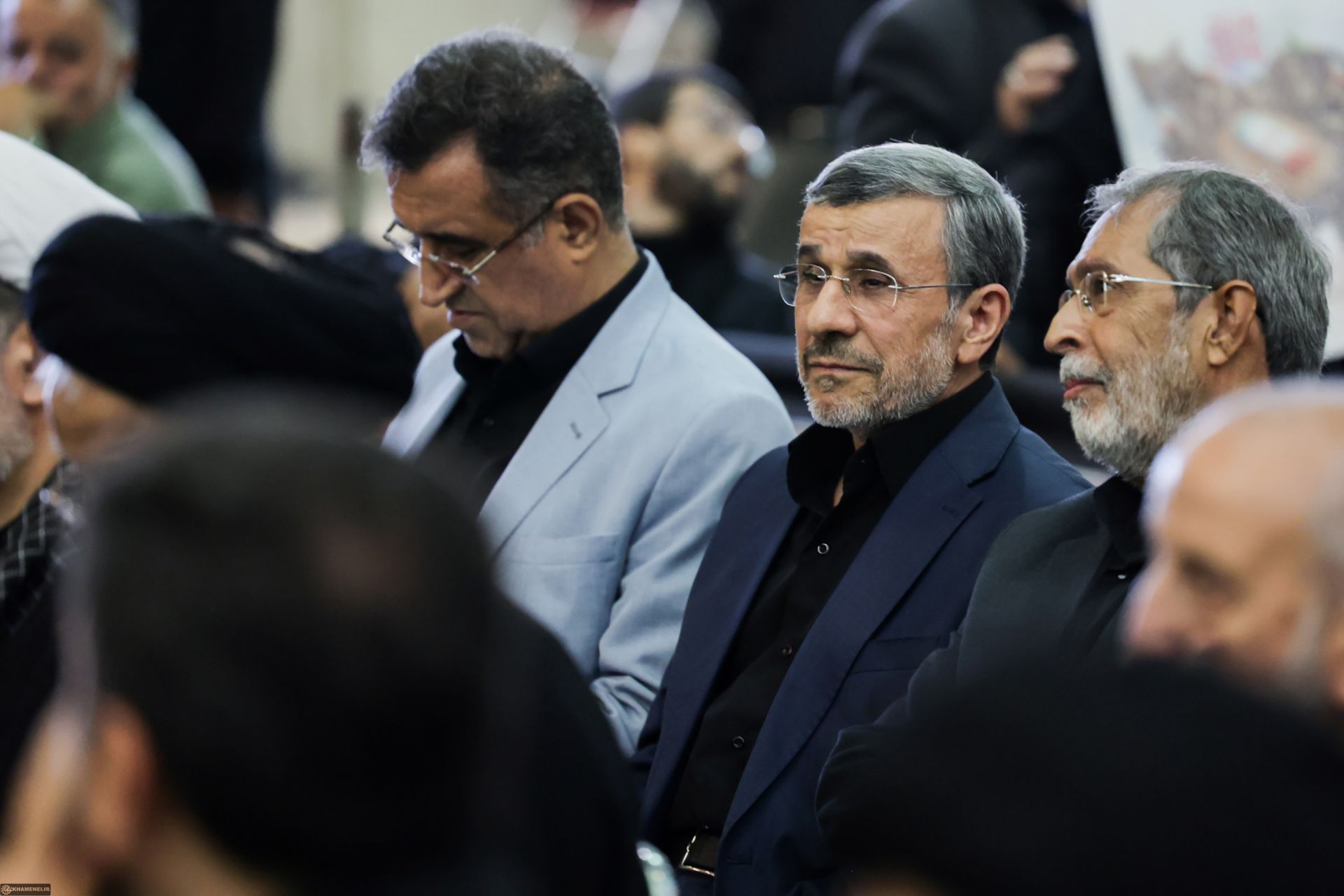
The Ideologue Who Shaped Ahmadinejad’s Holocaust Denial
Mohammad Ali Ramin was the intellectual force behind Mahmoud Ahmadinejad's Holocaust denial. Their changing relationship sheds light on the former Iranian president’s personality and transformations, and the possibility that he made a secret deal with Israel.
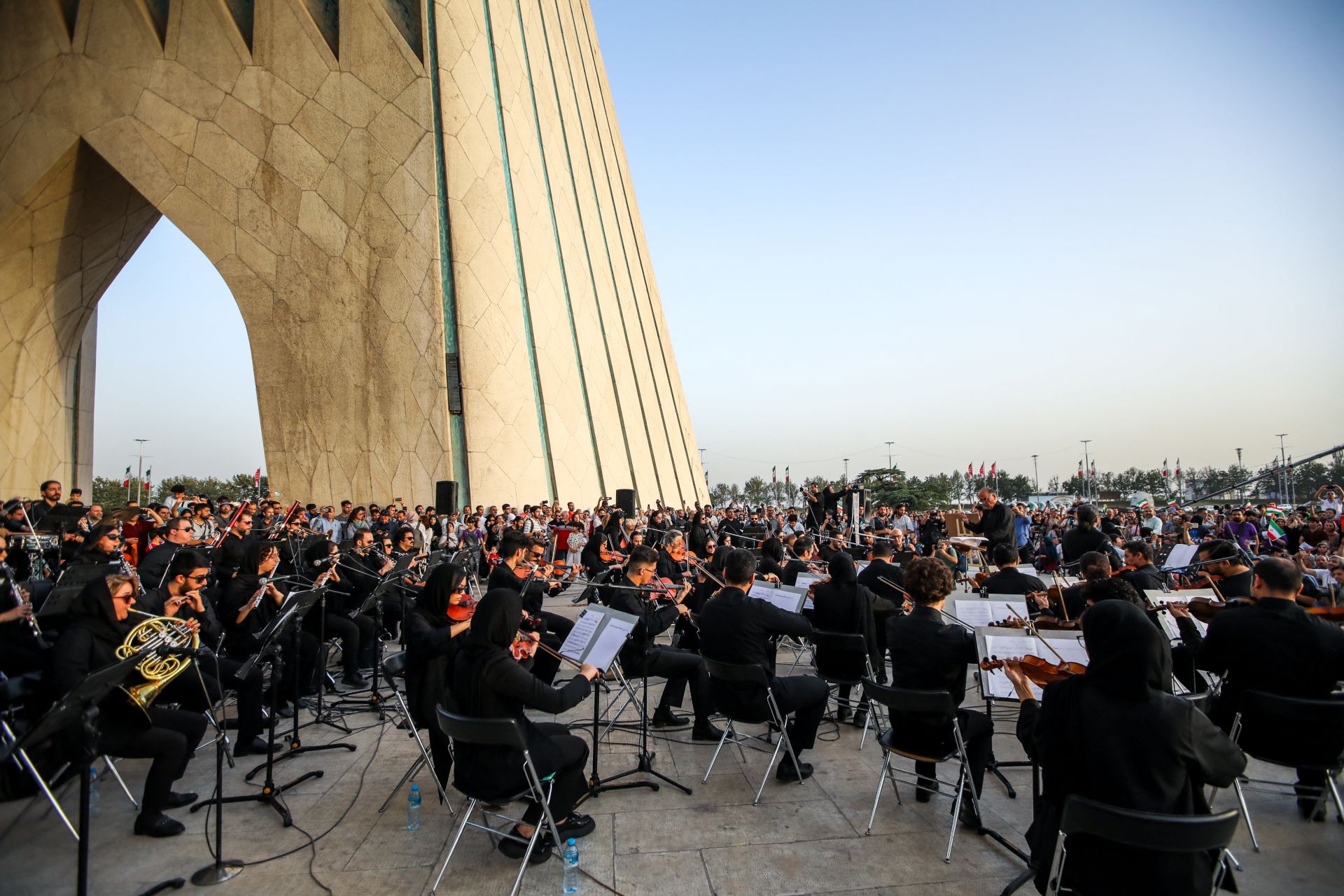
What Remains of a Musician’s Life After the Bombs Fell on Iran
Parvaneh spent years earning her place in the Tehran Symphony Orchestra, along with the professional double bass she had struggled to afford. After losing her job amid the turmoil that preceded the war, a U.S.-Israeli strike destroyed her home and shattered her instrument.
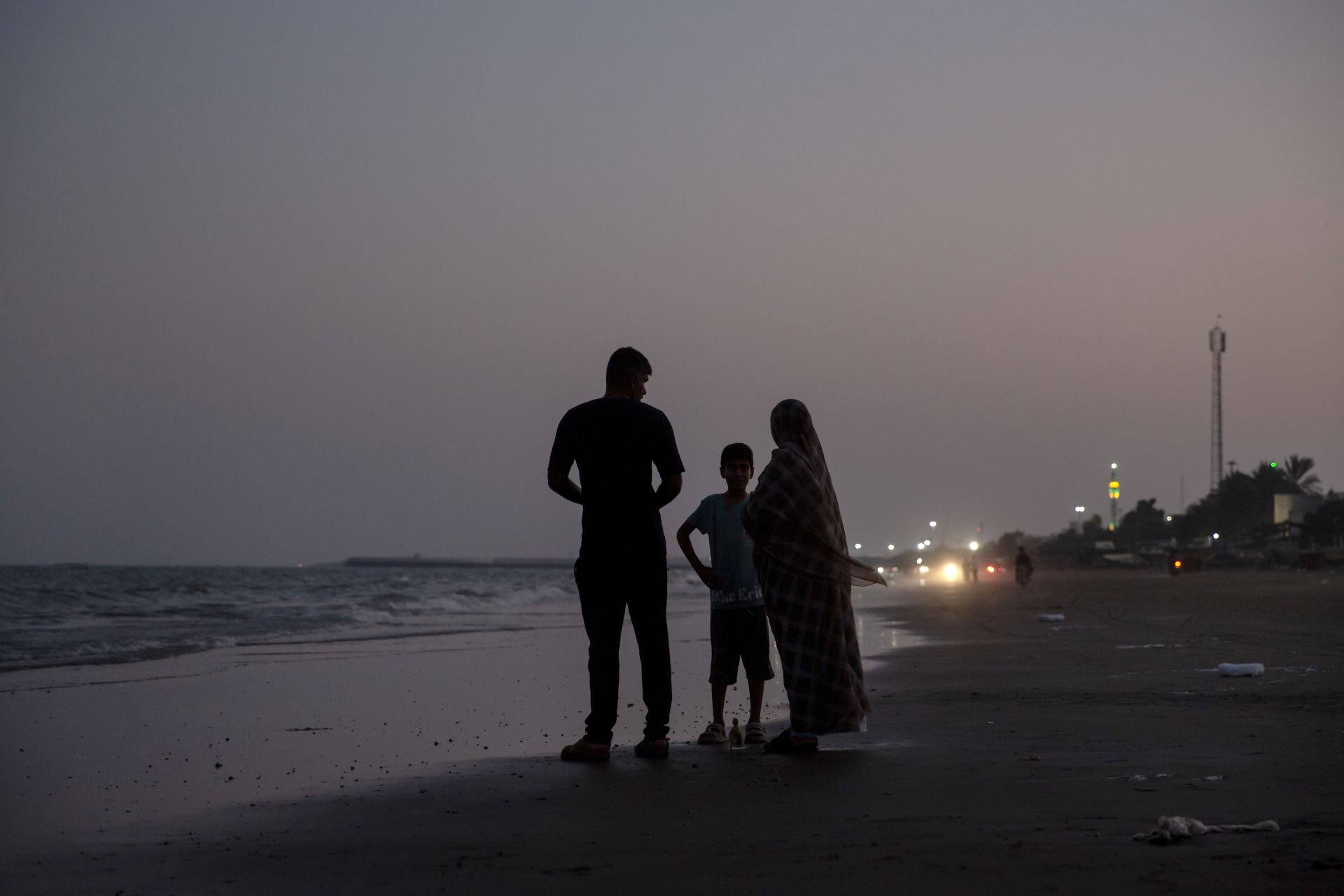
Southern Iran Is Being Destroyed
U.S. attacks across Iran’s southern coastline have damaged ports, airports, roads, power infrastructure and civilian landmarks, devastating local economies and forcing millions of people to endure rolling blackouts during extreme heat. Residents describe the destruction of their livelihoods and the growing sense that nowhere is safe.