

Archaeology
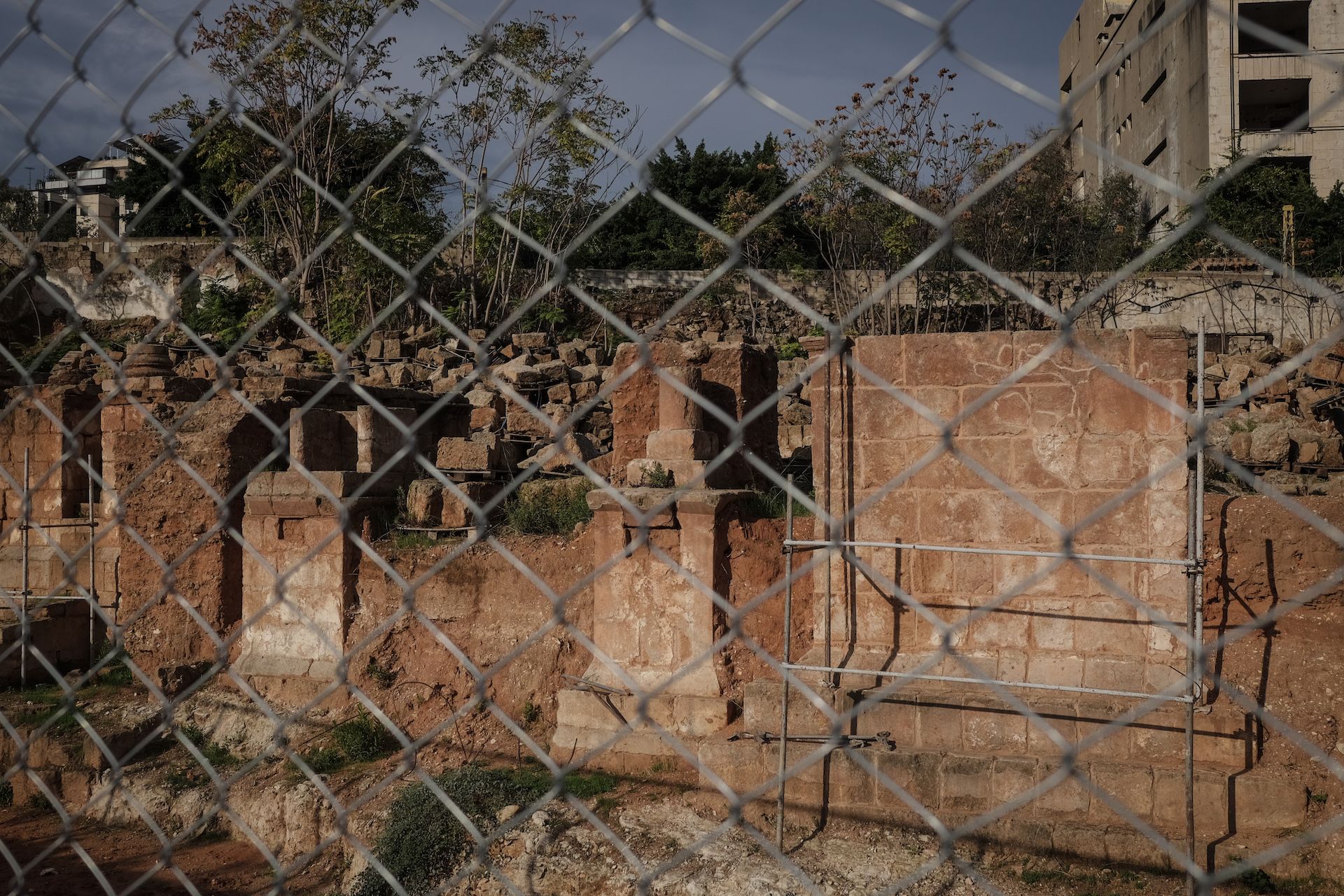
Losing the Plot
Incredibly, parts of Beirut’s Roman walls have survived all the intervening upheavals, human and natural, of the past two millennia. But these remnants, and the ancient tombstones the walls were lined with, are under threat — not from earthquakes or war, but the construction of a parking lot.

Forgotten Photographs of the Yazidis
Buried for 90 years, a cache of Yazidi photographs has become a bridge between the Iraqi community’s past and today.
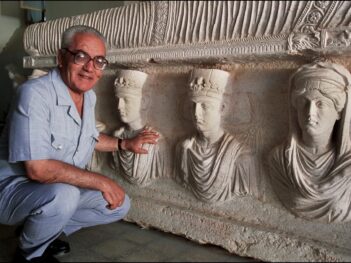
Syria’s Most Renowned Archaeologist Loved Palmyra More Than Life Itself
On the 10th anniversary of Khaled al-Asaad’s murder by the Islamic State group, his family and former colleagues recount a life intertwined with Palmyra’s ruins.
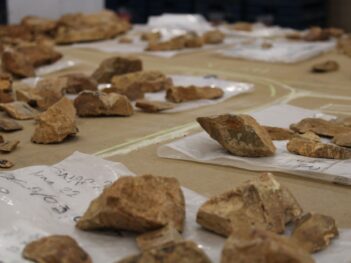
A Greek Island’s First Settlers Weren’t Human
New archaeological finds on the Greek island of Naxos bear the hallmarks of Neanderthal craftsmanship, suggesting that this enigmatic hominid reached the area at the same time as humans, or even before them, and toppling the assumption that our species alone had the navigational nous and curiosity to colonize islands.
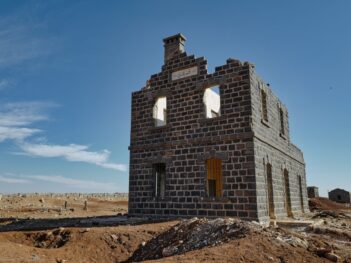
Treasure Hunters in a New Syria
Amid hunger and the aftermath of war, Syrians are turning to looting archaeological sites, and it will require time and resources to increase their protection and assess the damage. Yet despite the destruction, people remain deeply attached to their local heritage.
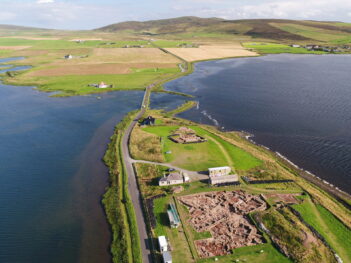
Orkney, the Surprising Center of Neolithic Britain
Thousands of years ago, Orkney was at the heart of Neolithic northern Europe — its landmark buildings welcoming vast numbers of people. Now the main archaeological site on the island has been reburied after 20 years of astonishing research, just as it’s revealed that the Altar Stone of Stonehenge came from nearby.
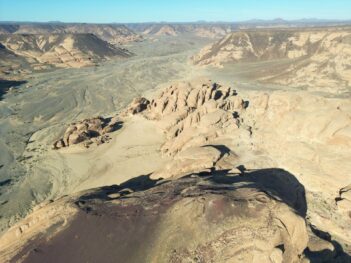
In Saudi Arabia, Ancient Desert Walls Are Rewriting the Stone Age
Humans in Stone Age Arabia left monumental structures behind to honor their deities and their dead, along with abundant rock art. The extent and regularity of their art and architectural styles show that this was no isolated society, but a shared culture that spanned an improbable 116,000 square miles, unheard of in any other archaeological site of the same period, and long before any of the societies that gave rise to the Abrahamic faiths. Result after result from the Saudi deserts is transforming how we think about our prehistoric ancestors.