

United Kingdom
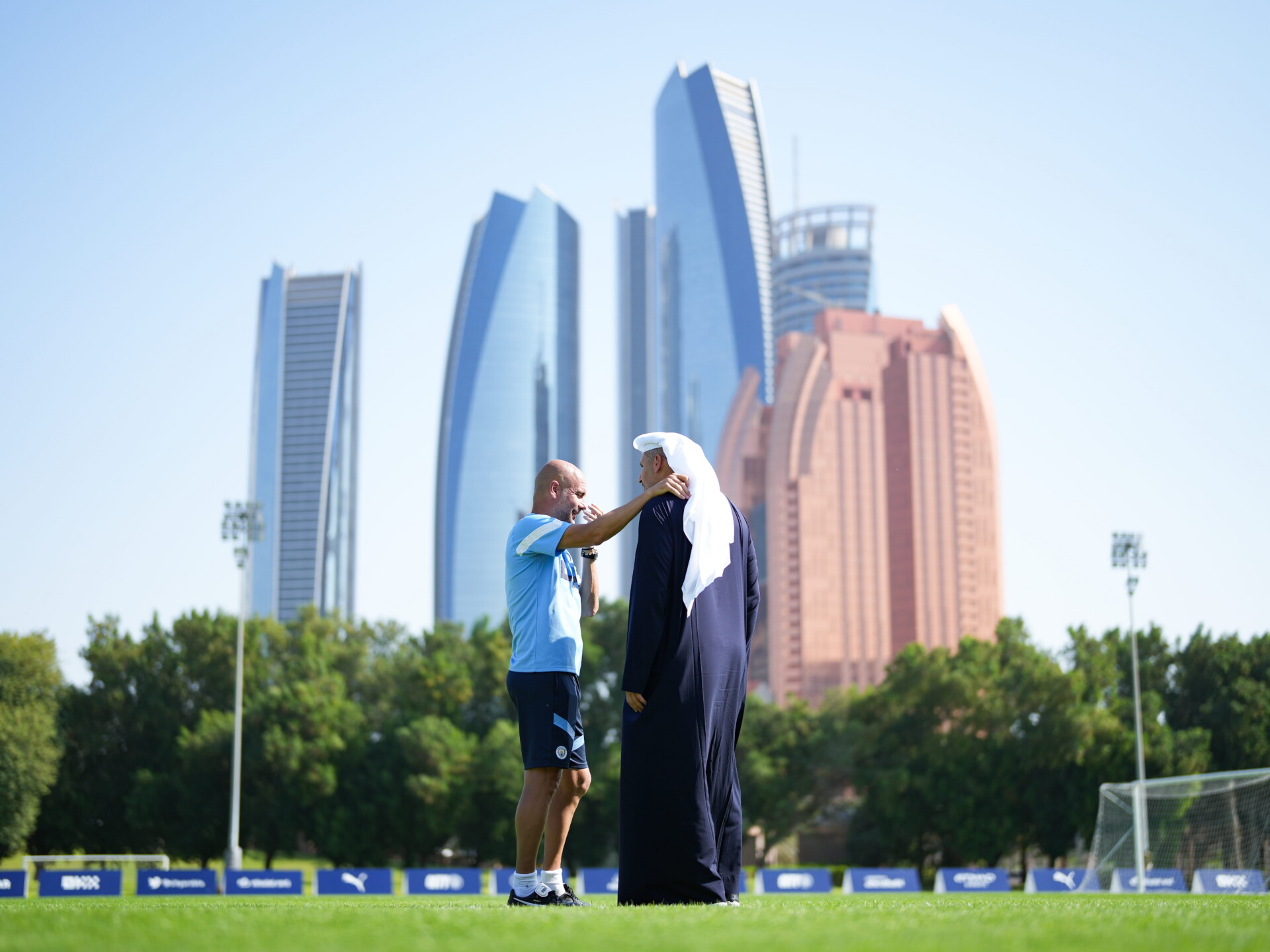
The Petrodollar Pitch
Manchester City pioneered two new models for soccer: Gulf state-backed ownership and the global multiclub network. The verdict against the club, coming as war with Iran squeezes Arab economies, may end both.
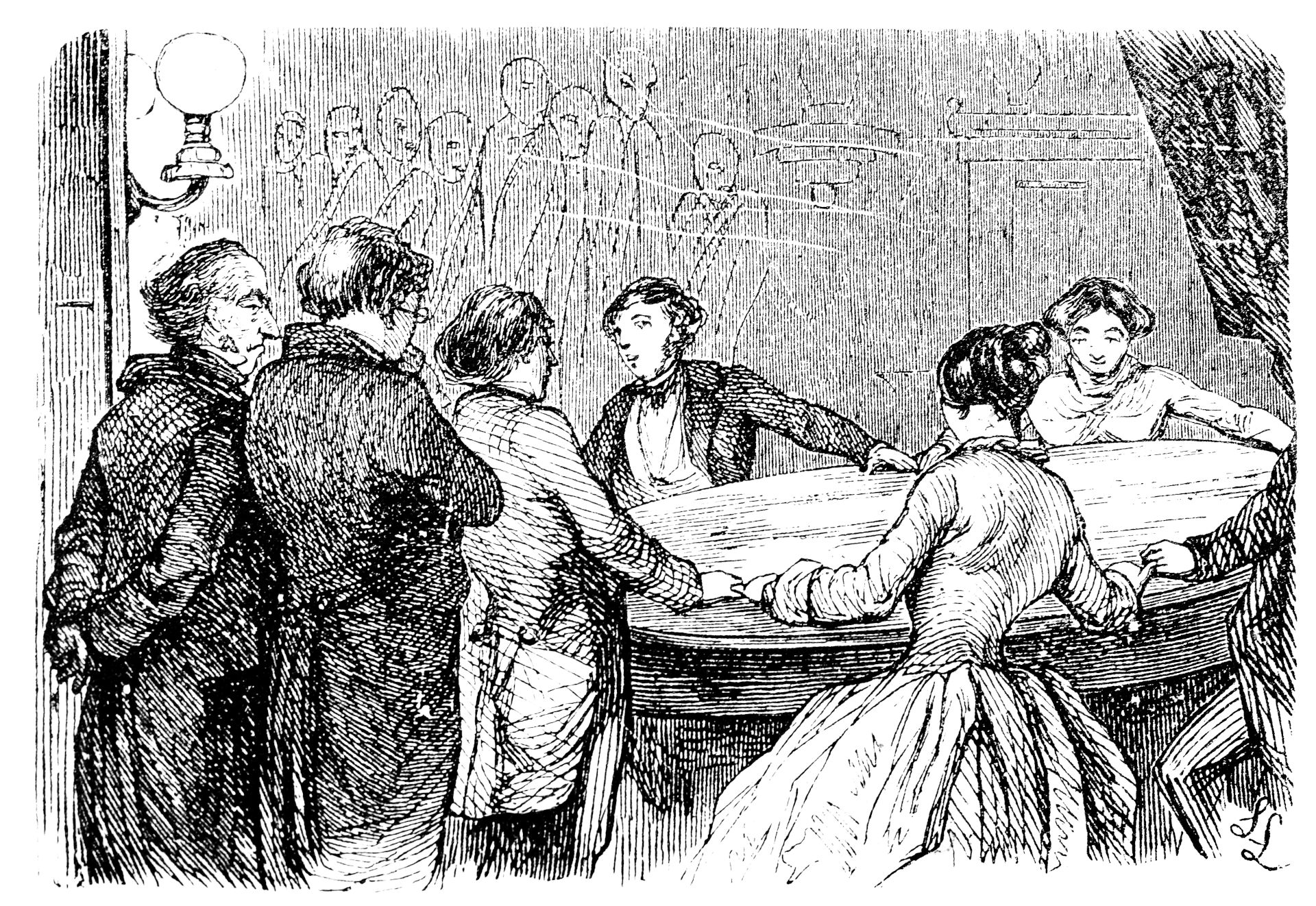
Physics and the Paranormal
From experiments with psychedelics to Nobel Prize winners interested in fitting consciousness into physical theories, research into the inexplicable is gaining ground in the academy.

How Britain Became a Country Full of Terrorists
When the British government proscribed the activist group Palestine Action, the resulting wave of protests saw thousands arrested as terrorists. The handling of this public outcry, and of the trials of the group’s members themselves, reveals a steady erosion of rights that goes back a quarter of a century.

Why Did the British Museum Remove References to Palestine?
The British Museum has removed references to “Palestine” as a result of unknown reasoning, processes and pressures. Experts have been surprised by a lack of open engagement on the issue, which has now been raised with the U.K. Foreign Office by the country’s Palestinian ambassador.

What Jude Bellingham Reveals About England
The outrage over a display of frustration by England soccer star Jude Bellingham on the pitch continues a long-standing British discomfort with Black brilliance, exposing how soccer remains a battleground for national anxieties about race and belonging.
The Unstoppable Spread of Marmalade
Marmalade has become a global passion. How did this staple of the British breakfast table become the focus of a competition in England’s Lake District that hosts over 3,000 jars flown in from all over the world?

The Magic of Egypt in Interwar Britain
Ancient Egypt was at the heart of the occultism that flourished in Britain early in the 20th century. The stories of two magicians who were shaped by this association — Aleister Crowley and Rollo Ahmed — reveal much about what the period’s magic meant to the men and women who practised it.