




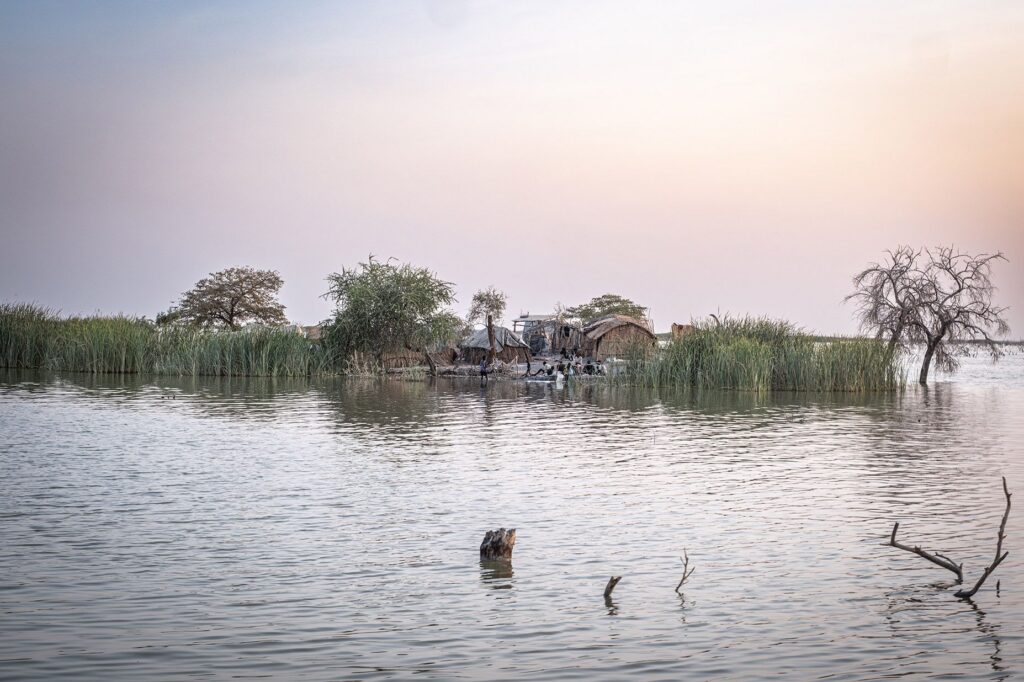
As Anna Nyashing Bul, clad in a long yellow dress, stepped out of her single-room mud hut on her way to her Sunday morning church service, she paused to survey the flooded plain surrounding Rotriak, the small town where she lives with her husband, five children and several orphaned relatives for whom she cares. “We came to Rotriak because it was the only place that remained dry,” she said.
Anna, like hundreds of thousands of other South Sudanese, had already been displaced once, by the civil war that gripped the young nation for nearly five years, when the floods came. In 2021, torrential rains caused the White Nile, which usually overflows its banks in the wet season before receding to leave behind freshly fertile ground, to rise so swiftly and spread so far that the floodwaters never fully receded. Nearly a million people lost their homes.
Rotriak, then little more than a rural settlement, became a refuge for thousands of displaced families, including Anna’s. Located inside Unity Oil Field, one of South Sudan’s largest oil-producing areas, it was considered relatively safe thanks to the heavy military presence protecting the country’s most valuable economic asset. In South Sudan, oil generates more than 90% of state revenue. Families built mud huts in the oil fields among the pump jacks and wellheads, and Rotriak soon swelled to 40,000 inhabitants.
But those fleeing to the high ground of Rotriak didn’t know that older, defunct oil installations in and around the area, which were no longer maintained, had been submerged. The flooded marshland surrounding them was filled with more than water — it contained high levels of heavy metals and petrochemicals.
New Lines, in collaboration with Placemark, a geospatial analysis company specializing in environmental monitoring across Africa, has mapped over 50 oil wells throughout Unity State that remain submerged after the 2021 floods. Toxic contaminants from these submerged wells are polluting drinking water and are the likely culprit for a worsening health crisis for thousands of families in and around Rotriak. An increasing number of children are born with birth defects, ranging from limb differences and spina bifida — a severe congenital malformation affecting the spine — to cognitive delay, in an area where access to diagnostics and treatment is limited. South Sudan’s government is obligated to monitor oil pollution, manage abatement and share revenues with oil-producing areas, but residents say neither the cleanup nor the cash have made it to their area. New Lines traveled to Unity State, where we spoke with healthcare professionals, community leaders and families impacted by these toxic floods.
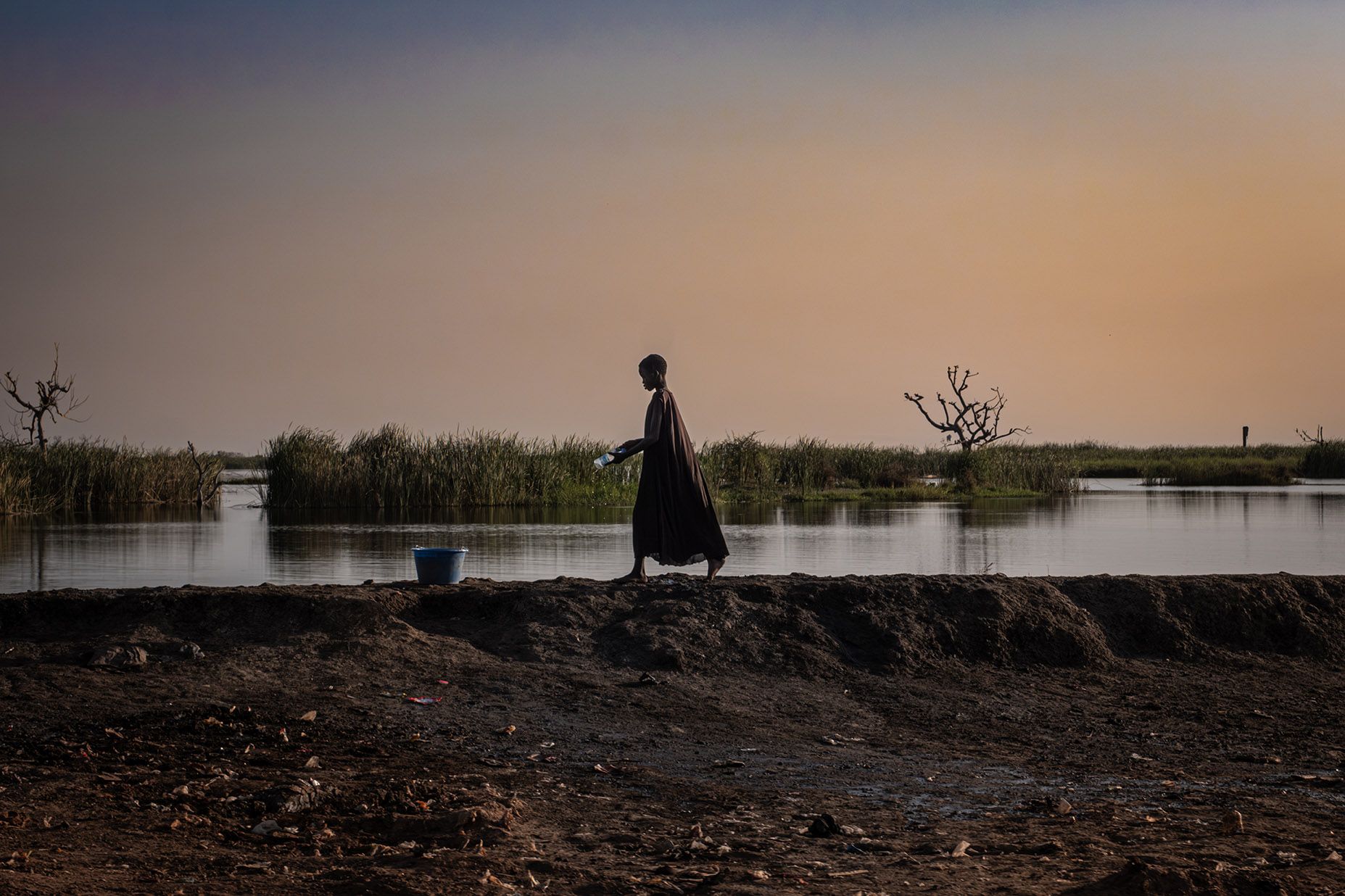
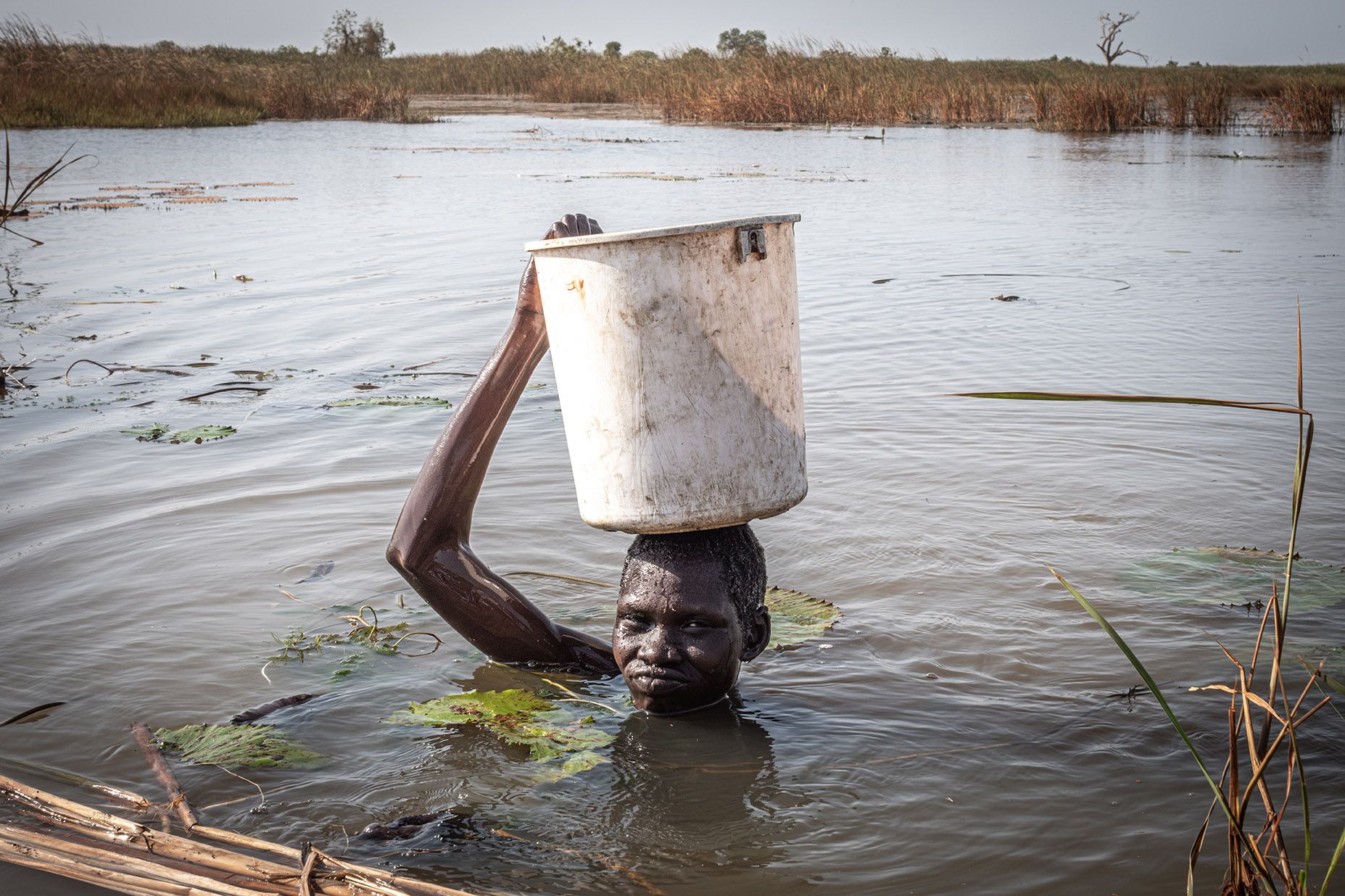
Even as the consequences of living in such a polluted environment become more and more manifest in the community, residents have little choice but to remain. Every morning, Anna walks into the surrounding wetlands to collect untreated water and harvest water lilies and edible roots to feed her children. She said that before they arrived, they didn’t know the area was polluted. “I saw it with my own eyes. There was a black film on the surface. But we had nothing else to drink.”
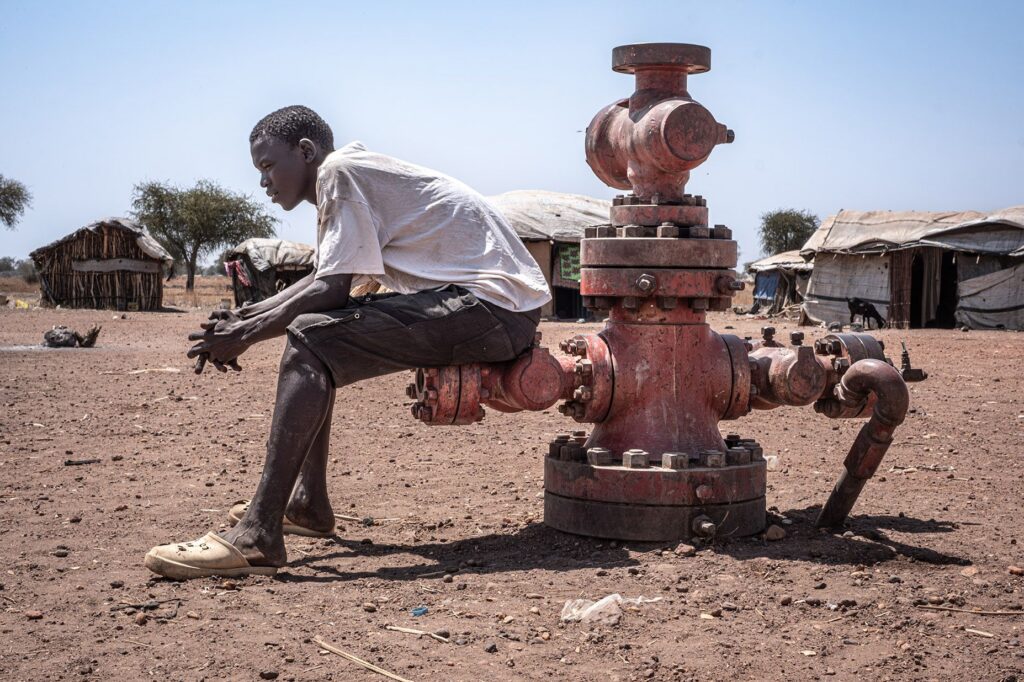
Rotriak lies within Block 2, one of South Sudan’s oldest and most productive oil concessions. This is where the Greater Nile Oil Pipeline begins its journey north to Port Sudan, carrying crude oil from the country’s largest producing region. Oil accounts for almost all the country’s exports, making it the entire backbone of South Sudan’s economy and, for politicians in Juba, their greatest source of wealth.
For the people living in Unity State’s oil-producing areas, oil has become an integral yet devastating part of the landscape. For the predominantly Nuer communities of this region, seasonal flooding has always been part of life in the Sudd, one of the largest wetlands on Earth. However, since the floods of 2021, the natural flood cycle has broken down. Torrential rains have become more intense and prolonged, while floodwaters have remained, transforming a seasonal phenomenon into a permanent condition.
According to the United Nations, more than 1 million people have lost homes and livelihoods as floodwaters have submerged villages, farmland and grazing land across Unity State. Entire communities have been displaced for years, roads and basic infrastructure have become impassable and many families now survive on fishing and wild plants harvested from the wetlands. Up to 70% of the state’s land remains underwater, fueling competition over the few remaining dry areas. Some researchers now describe it as one of the world’s first examples of long-term displacement driven by climate change.
In the decades prior to the extreme flooding, repeated oil spills, aging oil extraction infrastructure and weak environmental oversight had already contaminated parts of Unity State. Wells, pipelines and wastewater retention ponds were never designed to remain submerged for years, despite operating in one of Africa’s largest wetlands. These outfits were poorly maintained, not only by the major oil company in the region, the Greater Pioneer Operation Company (GPOC), but also by South Sudan’s national oil and gas company, the Nile Petroleum Corporation, which controversially doubles as a regulatory body.
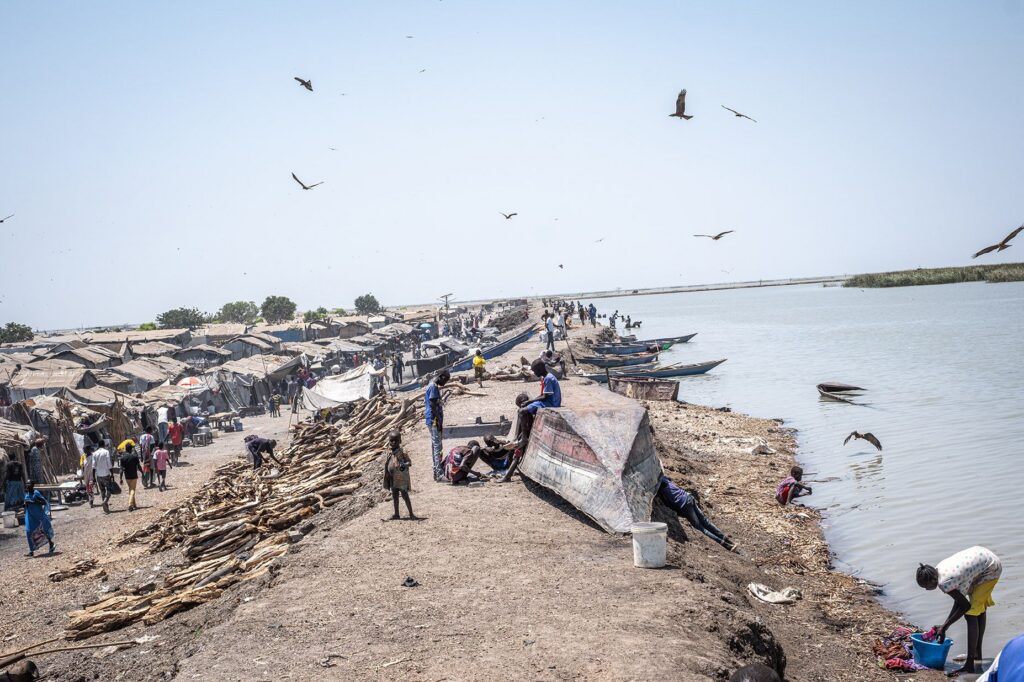
Scientific research has documented significant contamination of soil and surface water around Unity State’s oil fields. In a recent peer-reviewed study, Bul Duot Kuer, a South Sudanese doctoral candidate at Kenya’s Kenyatta University who has spent years studying the ramifications of oil pollution in South Sudan, found elevated concentrations of heavy metals and hydrocarbons in rivers surrounding Bentiu and Rotriak. His research also shows that prolonged flooding has increased the mobility of these contaminants, transforming what was once a localized industrial pollution problem into a much broader environmental crisis with potentially long-term consequences for ecosystems and human health.
In 2023, a geospatial analysis by PAX for Peace found that 159 oil wells in Block 2 had been submerged following the floods, representing around 41% of the area’s extraction infrastructure. Our satellite analysis with Placemarks, conducted early in 2026, mapped some 400 oil wells across Unity State and found that more than 50 remain underwater today, years after the floods first engulfed the region.
With so many wells underwater, researchers fear that prolonged flooding has allowed contaminants trapped in outdated oil infrastructure, wastewater retention ponds and surrounding soils to spread beyond the oil fields into rivers, wetlands and communities that now depend on these waters for drinking, cooking, fishing and survival.
What remains unknown is the full extent of that contamination and its long-term consequences for the communities living around the oil fields. No comprehensive environmental or epidemiological investigation has yet been carried out to answer those questions, but the impacts of living in such contaminated areas are already beginning to show, particularly among the most vulnerable.
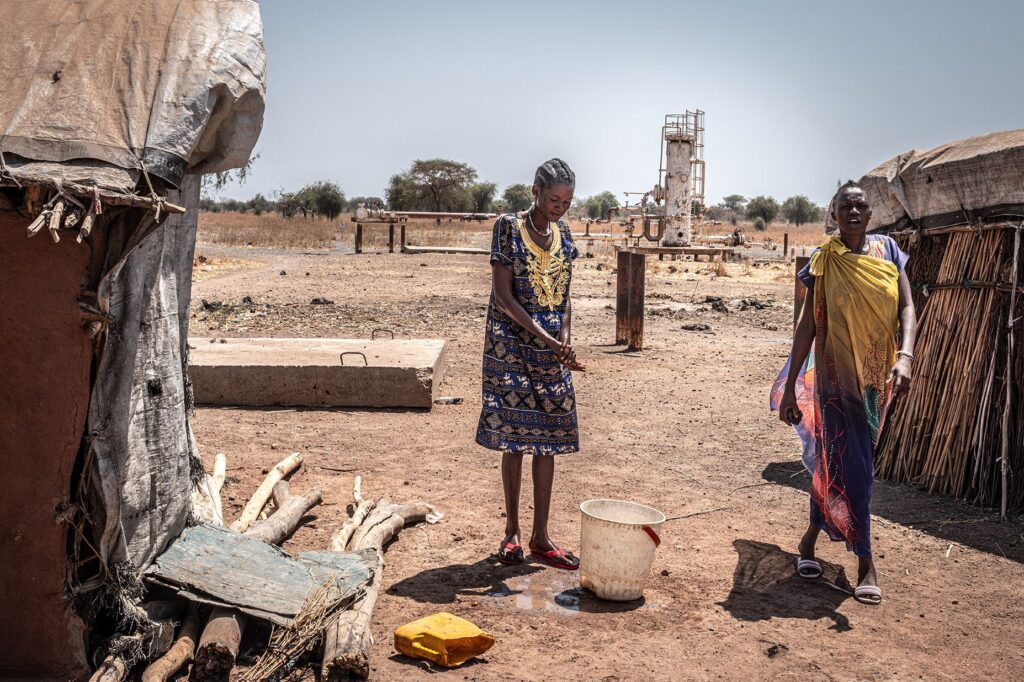
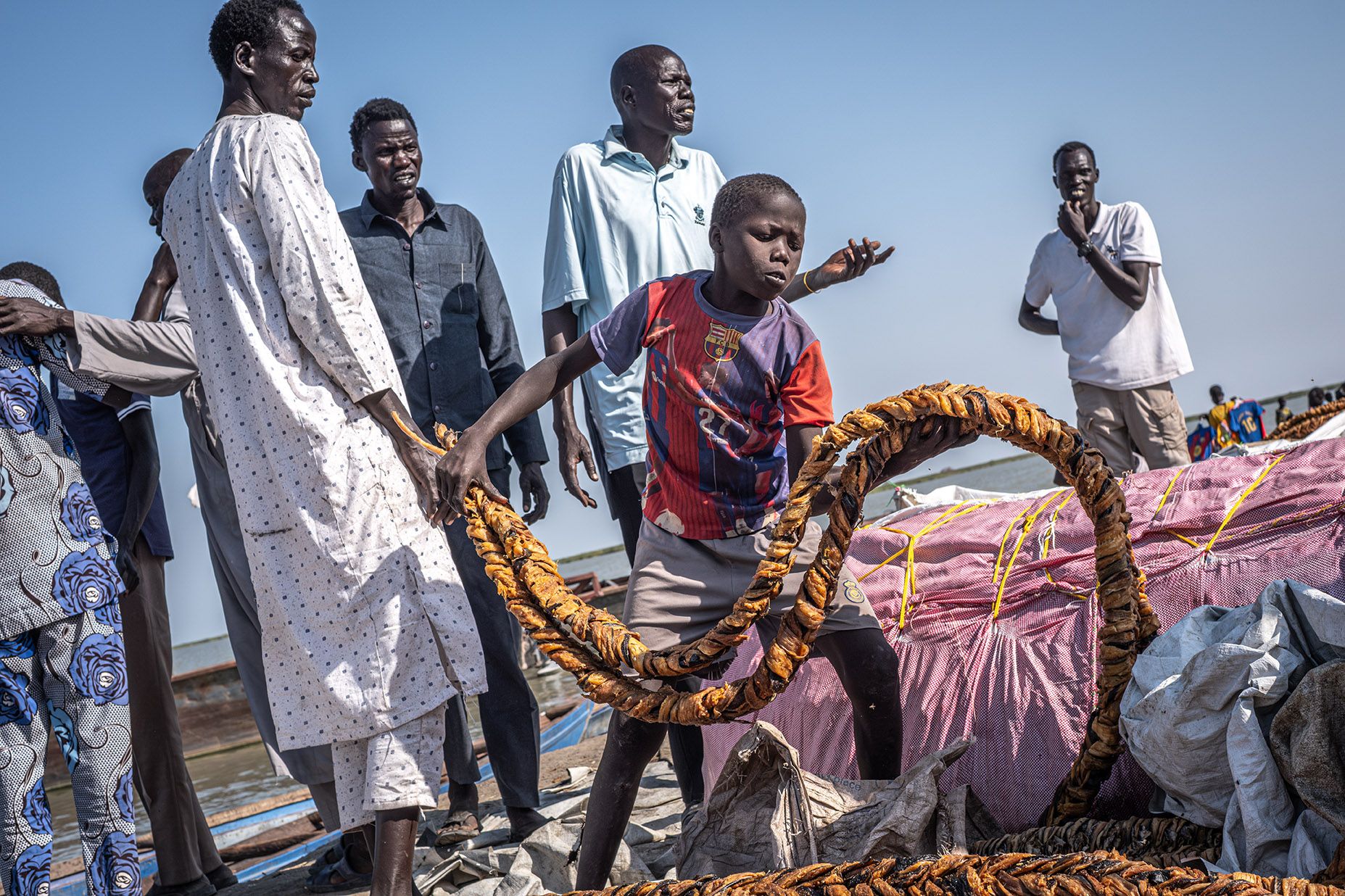
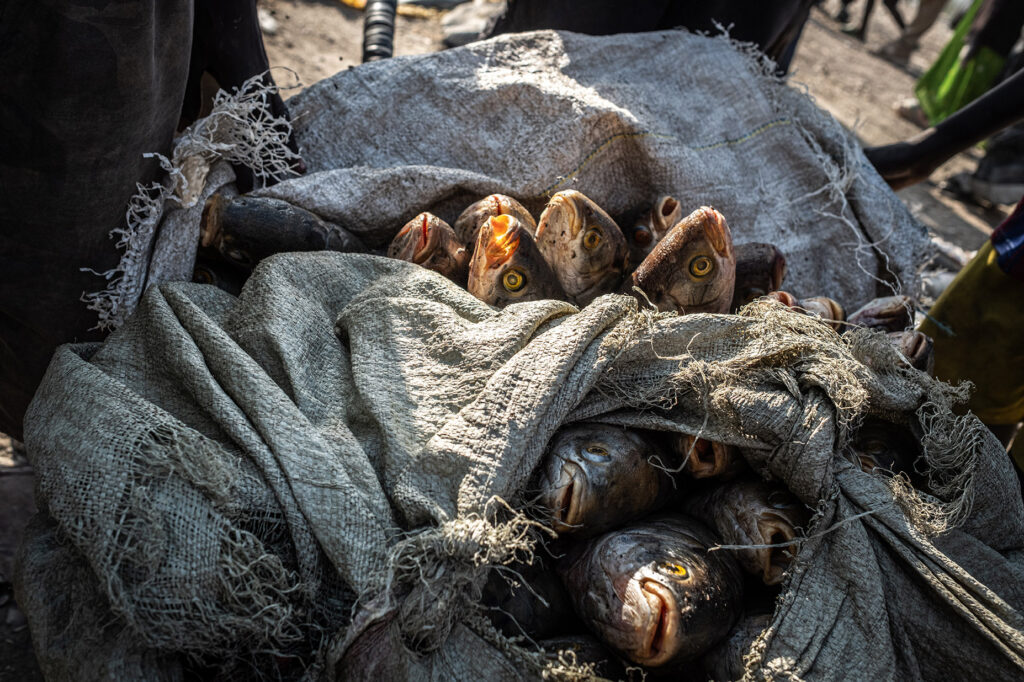
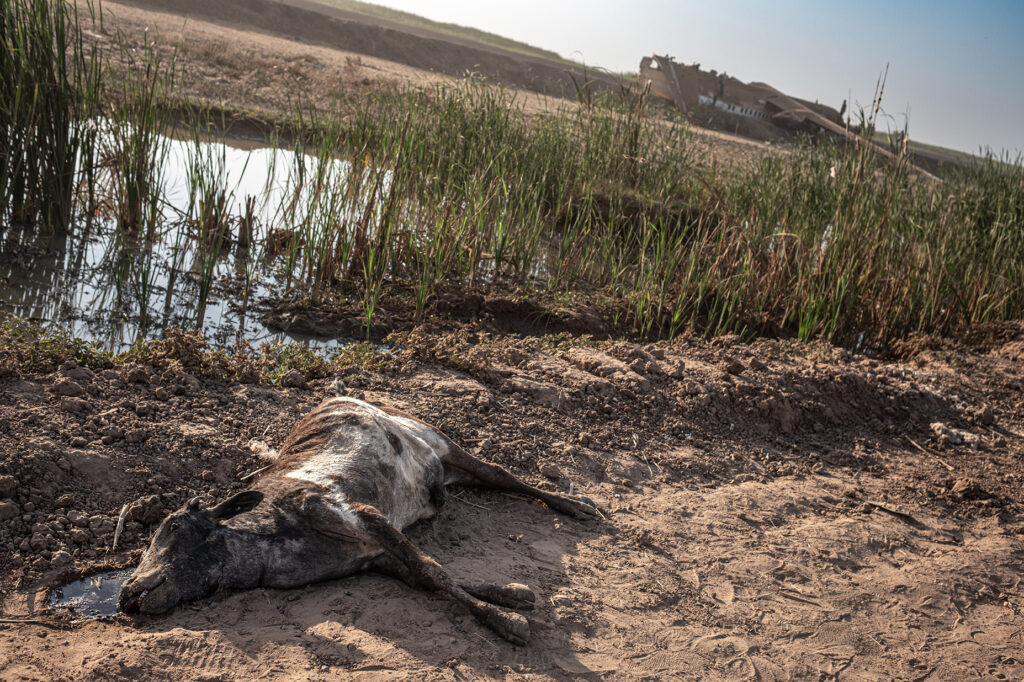
Driving north through Unity Oil Field, the industrial landscape gradually takes shape. Rusting wellheads emerge from the grass. Pipelines run alongside the dirt road. Wastewater retention ponds lie behind low earthen embankments, while barbed-wire fences and white GPOC signs punctuate the flat horizon. Then, almost without warning, homes, market stalls and children appear between the installations. In Rotriak, the village and the oil field seem to occupy the same space. Here, fishers believe fish caught near certain oil fields are contaminated. These fish are darker, softer and thus sold at lower prices at the local market. Herders report unexplained livestock deaths after animals drink from flooded grazing areas. Parents describe recurring diarrhea and skin diseases among their children. None of these accounts, taken individually, proves contamination. Together, nonetheless, they point to a pattern that researchers and residents say deserves urgent attention.
One of those residents is Angelina Gatluak. In her one-room house, built from sturdy wooden poles and sheets of corrugated metal, five small children played on the floor beside the family’s only bed. Two-year-old Gatwech lay nearby. Unable to walk or speak, his movements are limited by a severe neurological condition that has never been properly diagnosed.
“Sometimes it’s too emotional. I cry,” Angelina said. “Why is God doing this to me? I don’t have the strength to raise this child.”
When asked what she believed was the cause of Gatwech’s disability, she replied with a single word: “Lueng.” It is a Nuer word to describe something harmful or impure. We heard it repeatedly from fishers, herders and families in the area.
Marko Gatkuoth, a researcher who has spent years documenting the environmental consequences of oil production in his native Unity State for the Rift Valley Institute, explained that “there is no exact Nuer word for oil pollution, so people use ‘lueng’” in its place.
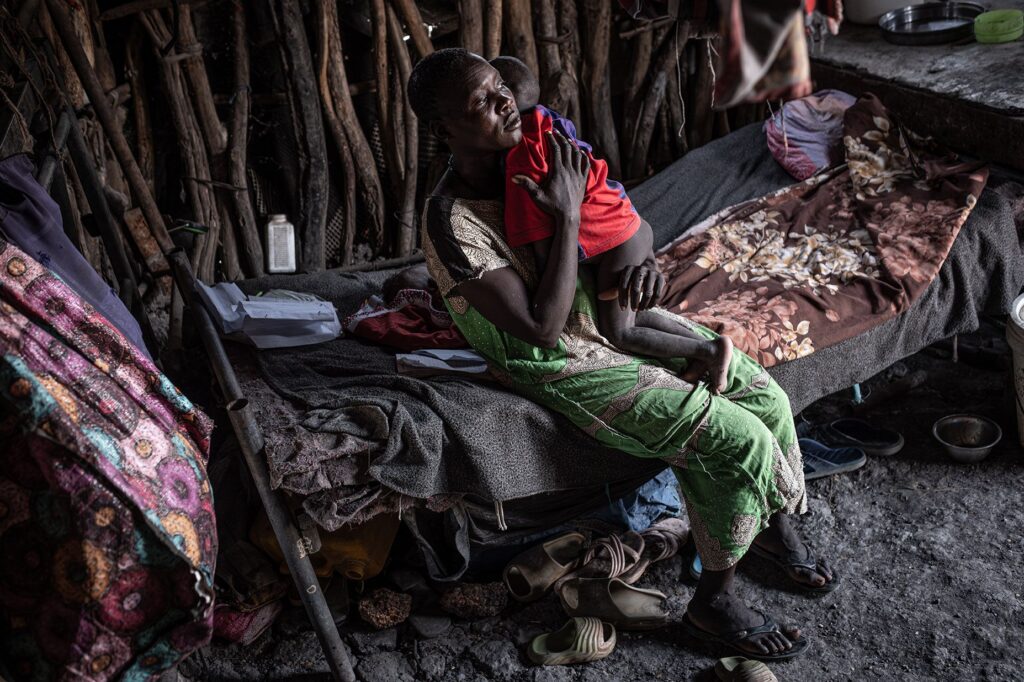
Angelina reached into an envelope and unfolded her son’s medical file. On one page, the diagnosis simply read “abnormality.” Another mentioned only a cough syrup prescribed during an earlier visit. “Most of the doctors just took blood samples and malaria tests,” she said. “They didn’t explain what was wrong with my child. The only thing I understand is that he has a problem in his brain.”
Like many parents interviewed by New Lines, Angelina is convinced pollution is the cause of her son’s condition. Yet the doctors who examined Gatwech have given no adequate explanation as to why the child is so afflicted. Despite years of complaints from residents, health workers and local officials, no full investigation has ever been carried out in Unity State to determine whether communities living around the oil fields face elevated health risks. South Sudan’s 2012 Petroleum Act states that the country’s petroleum resources should be “converted into lasting benefits for current and future generations.” Yet the government has done little to address the environmental consequences of oil production. Promised environmental audits have never been published, and no long-term environmental monitoring system has ever been established to assess contamination or hold oil companies accountable.
Several U.N. officials interviewed for this story acknowledged privately that environmental concerns around the oil fields were well known. None agreed to speak on the record, citing the political sensitivity of the issue and the risk that public criticism could jeopardize humanitarian access to displaced communities.
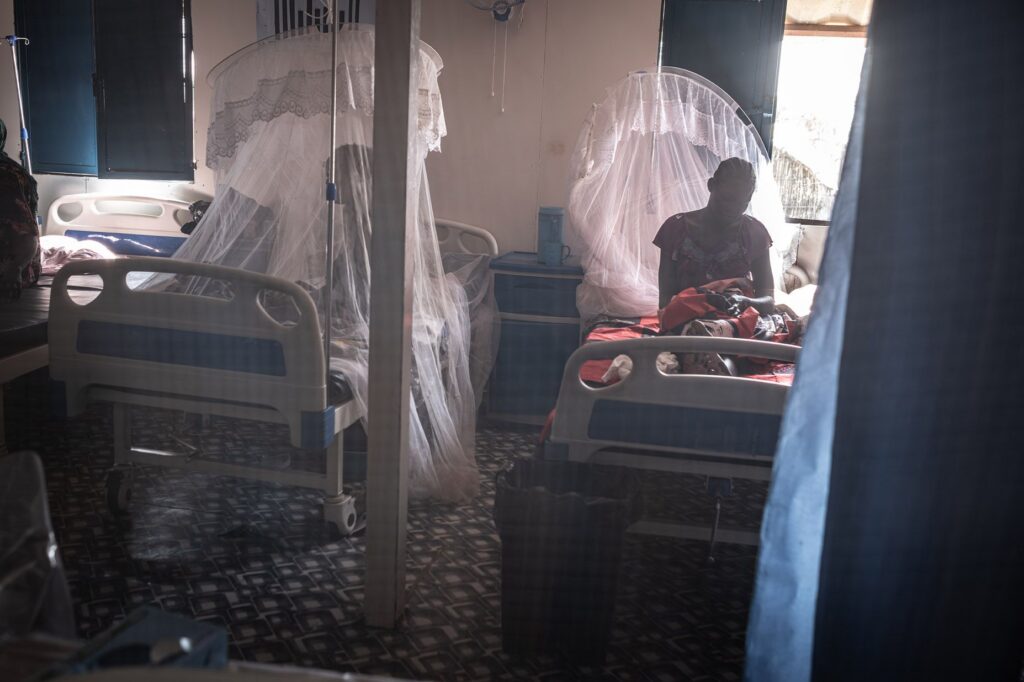
At Rotriak’s only clinic — a mishmash of yellow shipping containers run largely on donor support — a small group of nurses and midwives sat on thin carpets on a concrete floor, elevated a few feet from the ground to avoid the rising waters of the soon-approaching rainy season. They shared grim stories about the increasing number of birth defects they were seeing in the community.
“You will see that babies come out with body parts of different sizes. Maybe the head will be bigger, or other parts will be bigger than a normal body,” said James Kuong, who works as a nurse. One of the midwives, Mary, added: “There will be no lip. There will be no hand. Or there will be no eyes.”
They recalled several cases of children born with deformities at the clinic within the last year alone. Few survived, unless they were taken to major hospitals in the capital Juba or neighboring Uganda. That is, however, rarely the case, given the recent aid cuts in the global humanitarian sector and a government that seldom allocates sufficient funds to health facilities anywhere in the country, overburdened by the young state’s recurrent armed conflicts and mass migrations.
At Bentiu Civil Hospital, about 20 miles away, Medical Director Dr. Ben Mayang said many of these conditions have clear clinical diagnoses. “The most frequent one we see is spina bifida,” he said. “We also see hydrocephalus, cleft palate and babies born with severe limb deformities.” According to Mayang, the prognosis varies considerably depending on the diagnosis. “Some babies survive, especially those with spina bifida, although many are left with paralysis,” he explained. “Others are born with much more severe malformations, including missing vital organs, and many of them are stillborn or die shortly after birth.”
In 2025, there were about 15 babies born at the hospital with severe disabilities. In a region where access to healthcare facilities is limited and many women give birth at home, the full number is likely higher.
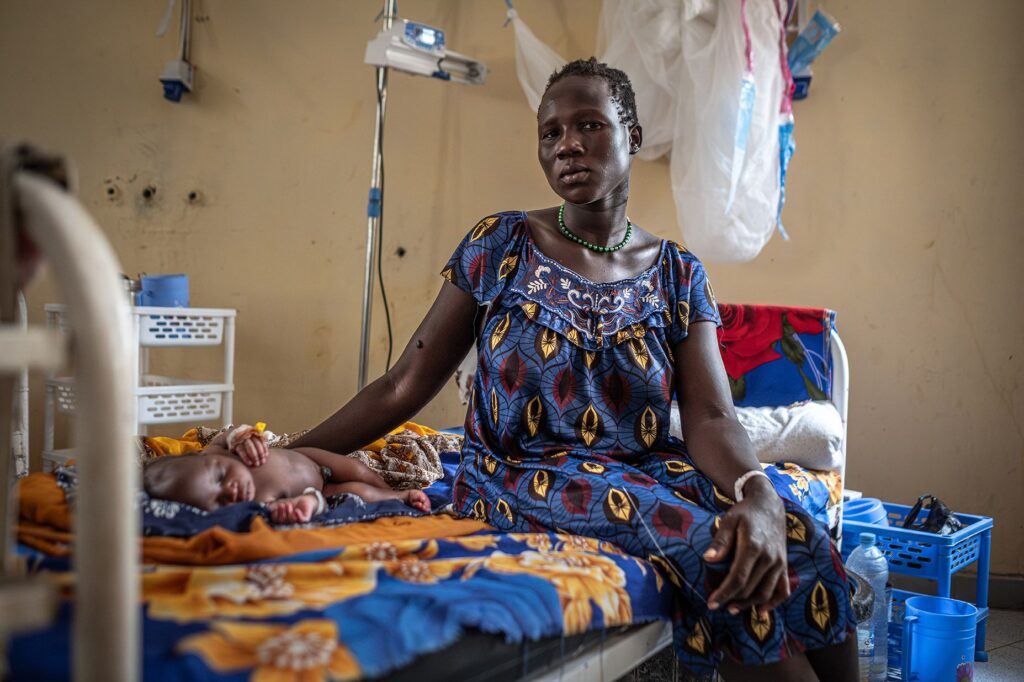
Mayang is hesitant to name a culprit for this rise in birth defects. “Pollution is there, but they need a sophisticated investigation before you can say this is actually coming from oil pollution itself,” he said. “We see the consequences, but we cannot confirm the cause.”
Elsewhere in the world, a growing body of scientific research has linked maternal exposure to pollutants associated with oil and gas extraction to adverse pregnancy outcomes, including miscarriages, preterm births and reduced birth weight. Evidence for congenital anomalies is more mixed, although several studies have reported associations with specific conditions such as neural tube defects — which cause midline issues like spina bifida and cleft palate — and congenital heart defects. Exposure during pregnancy to mercury, which has been found in high concentrations around Unity State, has long been associated with an increased risk of neurological and developmental abnormalities.
In the maternity ward of Bentiu Civil Hospital, Nyekal Nuok Teny sat quietly on a metal bed in the dim light of the neonatal ward. Her face was tired and marked by worry, yet she remained composed as she gently held the tiny hand of her newborn daughter.
The baby was born only days earlier with spina bifida. Nyekal had traveled from Ngol, a small settlement west of Rotriak within Unity Oil Field. She set out for the hospital while in labor, but the journey was so arduous and slow that she ended up giving birth by the roadside.
“When I first saw her, I was frightened,” she said quietly, her eyes fixed on the child. “I don’t know why she was born like this. They told me it could be because of the oil pollution, but I cannot know. I only pray that she survives and one day will be able to live like other children.”
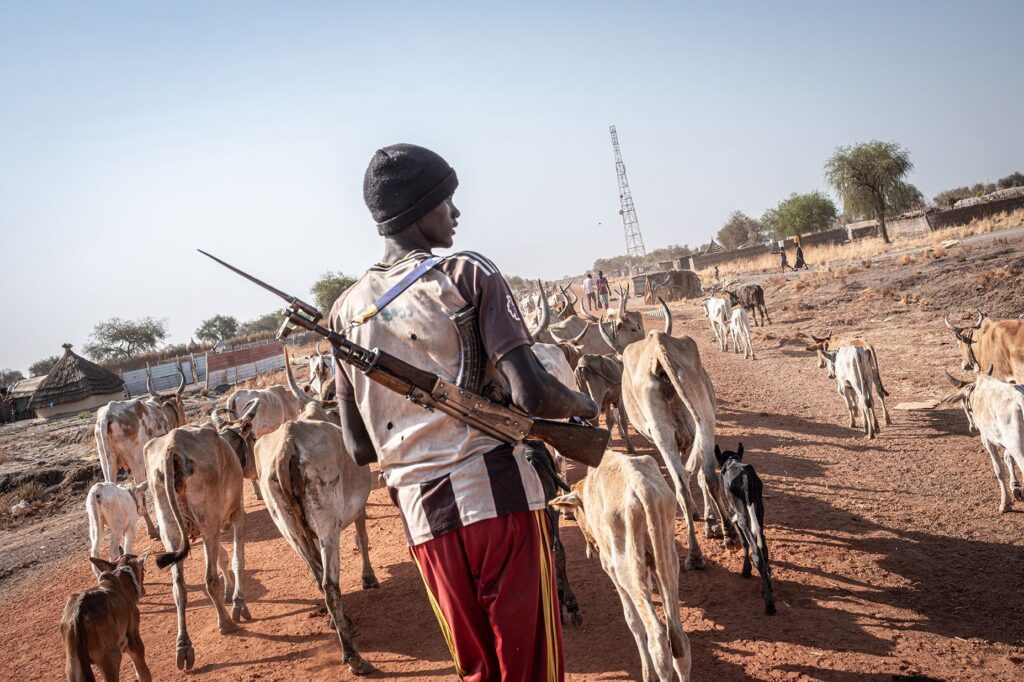
When the floodwaters rose, it wasn’t just Unity State’s human residents who were affected. More than 700,000 head of cattle perished in the floods, wiping out the livelihoods and food supplies for thousands of Nuer families, whose culture and community largely revolve around their herds. With stock wiped out — along with the milk and meat they provided — and farmland and grazing areas sodden and unusable, people began to turn to the wetlands for food. Every morning, men set out to fish, and women wade through the floodwaters to harvest water lilies, which have gradually become a staple in the new swampy reality of the oil fields. They are also collecting the contaminated water for cooking, drinking and washing.
In a recent study, Kuer, the researcher at Kenyatta University, identified lead concentrations of up to 18 micrograms per liter in the rivers around the provincial capital Bentiu and Rotriak, nearly double the World Health Organization threshold. Hydrocarbon concentrations more than five times the recommended limits were also found.
This is where many health workers believe the health problems may begin. “The people working in the oil field are not managing the oil very well,” said Kuong, the nurse in Rotriak. “Sometimes the waste from petroleum is dumped in the forest.” He paused before adding: “Sometimes we hear about goats, sheep or cattle. They drink the water there and die. But women and children are often drinking from those very same places.”
The oil extracted from beneath Unity State was supposed to bring prosperity to the communities living above it. By law, oil-producing communities are entitled to 3% of national oil revenues, while states are eligible to receive 2%.
These profits are to be allocated to health, education, and so-called “mitigation measures to ensure sustainable oil extraction in the oil-producing areas,” as Kuer, the South Sudanese doctoral researcher, put it. However, according to Kuer and others interviewed by New Lines, the money never reaches the intended communities. “We don’t know where the 2% and 3% goes. It could be with people in Juba who have formed a gang, or anywhere. We don’t know.”
In 2025, Transparency International ranked South Sudan as the world’s most corrupt country. The government is a fragmented outcome of the 2018 peace agreement, which established a power-sharing arrangement with five vice presidents, one for each of the warring parties.
President Salva Kiir is known for frequently reshuffling government positions. In February, the former finance minister, Bak Barnaba Chol, was arrested the day after being dismissed by the president. He had held the post for three months and was detained while attempting to flee to Uganda with a backpack containing $30,000.
Several regions of the country are marred by ongoing armed clashes between government forces and groups allied with First Vice President Riek Machar, who has been under house arrest since last year.
On June 3, the president congratulated GPOC for hitting the company’s highest-ever crude oil production, going from last year’s 44,000 to 60,000 barrels per day. A statement read that the president “urged oil sector stakeholders to maintain stability in the oil fields and continue efforts to increase production.” These words, however, will most likely do little to change life in the oil-producing areas of the country.
Ayen Mijok Kiir, the first deputy speaker of South Sudan’s Council of States, acknowledged that service delivery has fallen short, but argued that the situation must be understood in the context of the country’s repeated conflicts, displacement and recurrent flooding. “It is difficult to judge the mandate of the government looking at the dynamics we are in,” she said. “We are not a stable country.” According to Kiir, security has consistently taken priority over public services, leaving little funding for oil-producing regions. “More than 80% of the national budget remains at the national level,” she said, “and very little really goes for services.” (New Lines also sought comment from both the Ministry of Petroleum and GPOC, but neither responded.)
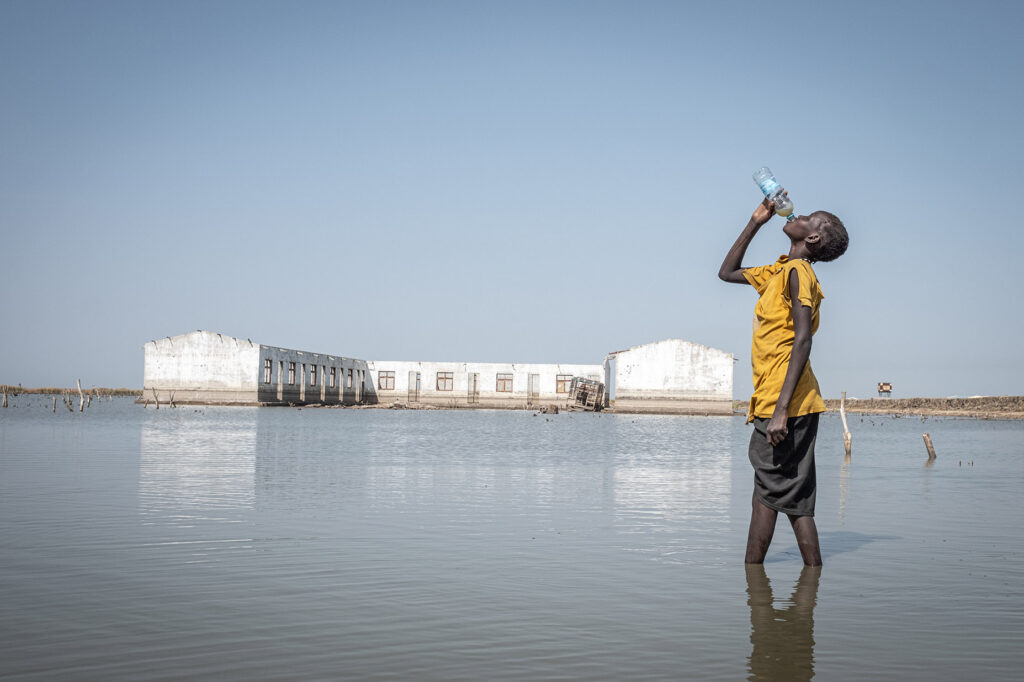
Back in Bentiu, outside an abandoned, roofless school building submerged in the floodwater, a girl passing by picked up a random plastic bottle. She filled it with the stagnant, brown water and eagerly drank it down. One would, perhaps, think that such a scene was staged for the visiting journalists. It was not. What else could the people of Bentiu drink?
This project was supported by the Pulitzer Center.
Become a member today to receive access to all our paywalled essays and the best of New Lines delivered to your inbox through our newsletters.