


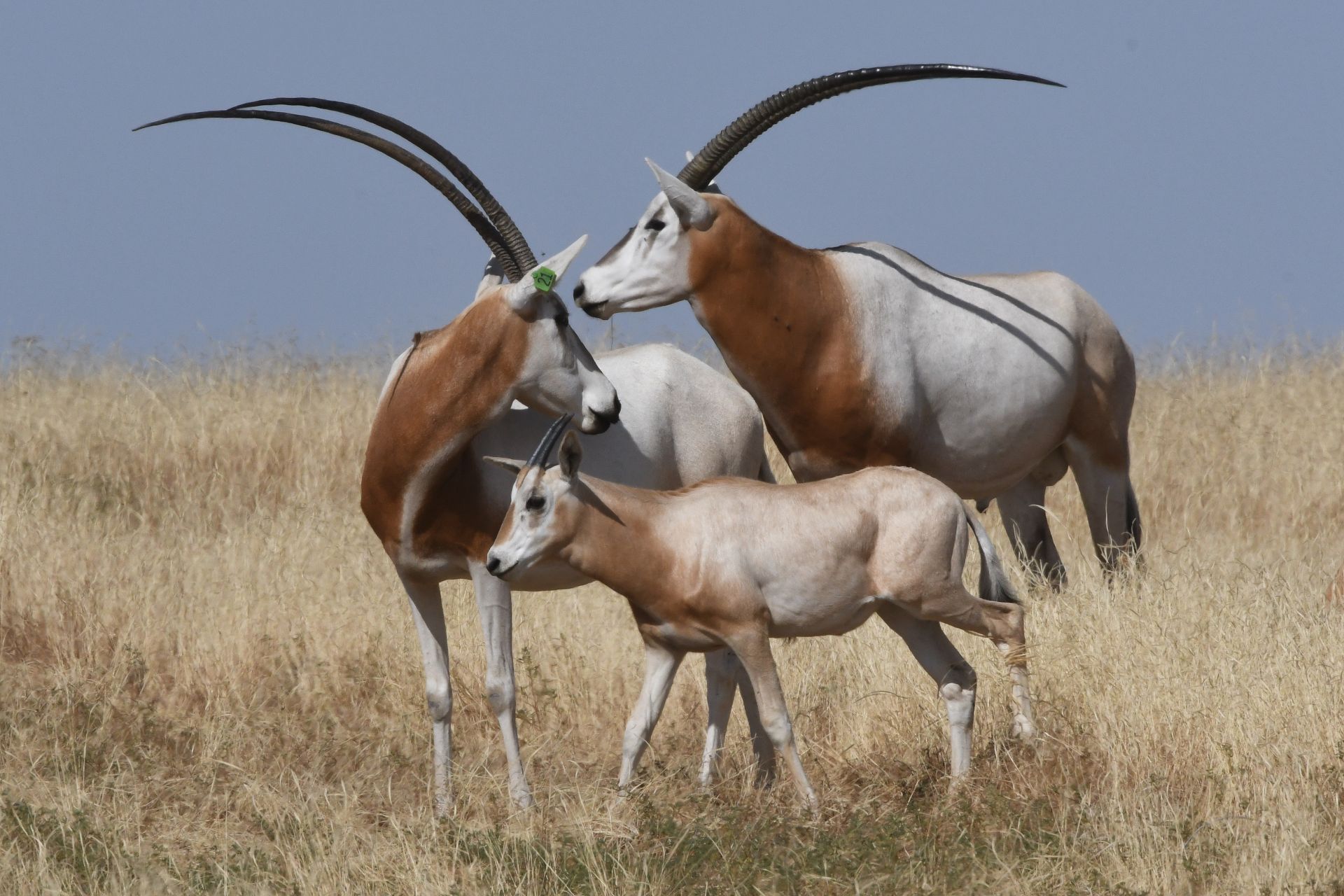

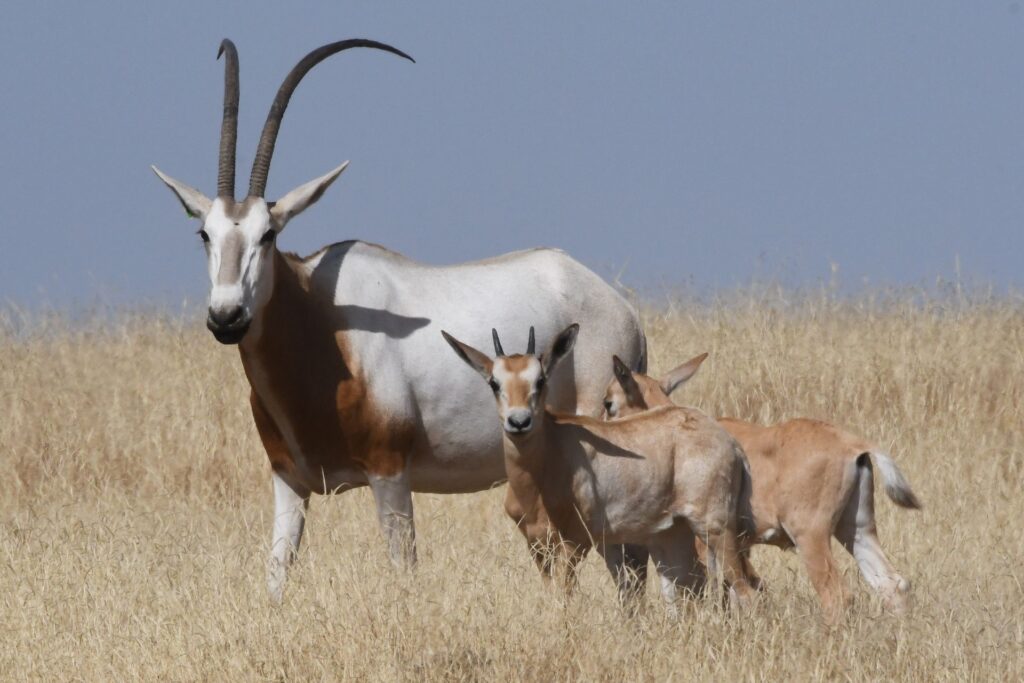
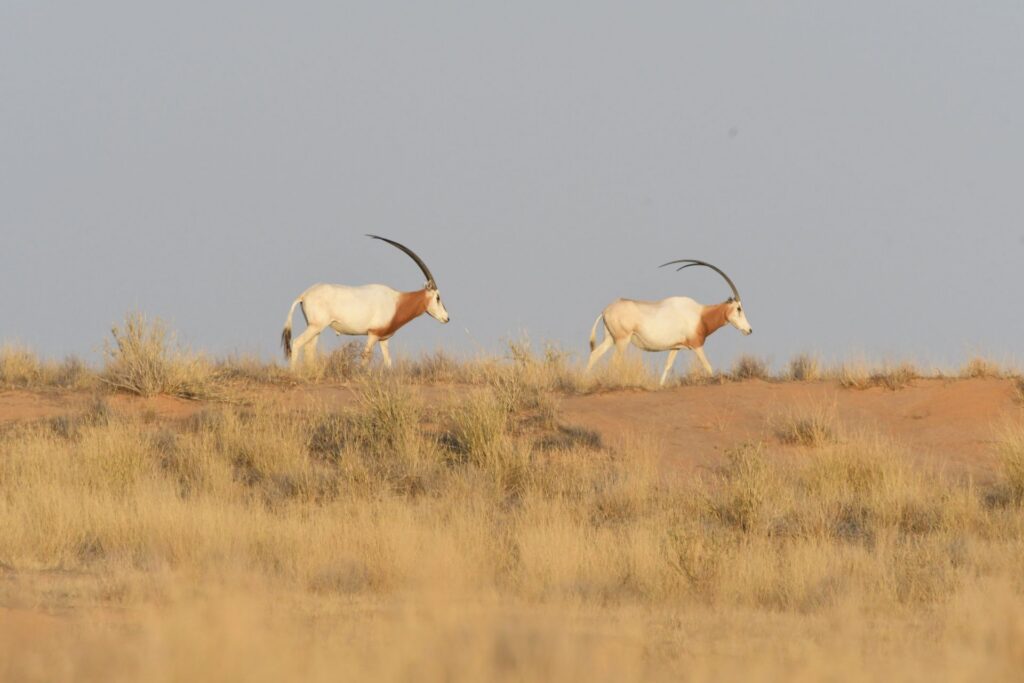
John Newby slowly inched his four-wheel drive around the acacia tree. His colleague, Tim Wacher, had spotted the swooshing of a tail within the dense green leaves, and they were trying not to spook the animal before they could see it. Then the bright white body and long arched horns of a scimitar-horned oryx sidled into view, a mere 50 feet from the truck. The near-mythical creature — oryxes are said to be the blueprint for ancient tales of unicorns, because their bladelike horns are so uniform that in profile they appear as one — stood coolly a stone’s throw away, unbothered by the incursion. Soon, two more emerged from the shadows: a luminous doe and her calf, just a week old, which popped its head above the long golden grasses of the Sahel. The trio fixed their big, black eyes impassively on the conservation biologists. Following a good wet season they stood stocky and proud, ready to take on the long, dry months ahead. Crucially for Wacher and Newby, their distinctive ocher necks and ears were bare. The pair had been searching through the telephoto lenses of their cameras for a radio collar or an ear tag that would shed light on who these creatures were, but none were to be found. They lowered their cameras and stared back at the three strangers.
For much of the last decade, there were so few scimitar-horned oryxes in Chad’s Ouadi Rime-Ouadi Achim Faunal Reserve (OROA) that Wacher and Newby knew almost every one of them by sight. “We knew how many calves had been born, we knew exactly who had died,” Wacher recalled. That is because, a decade before that, there were no oryxes in the reserve. Half a century of political, economic and environmental instability in Chad and its neighboring countries had fueled overhunting and habitat degradation that pushed the animals to the point of extinction in the wild.
But while their wild counterparts shuffled off the coil of the Sahel, more than 20,000 captive scimitar-horned oryxes — one of four species of oryx that live in Africa and the Middle East — survived in zoos and private institutions across Europe, the U.S. and the Gulf Arab states. That number was high enough that Wacher, Newby and others began to form an audacious plan: to create a “world herd” of genetically diverse oryxes that could be reintroduced into the wild and possibly save the species from extinction.
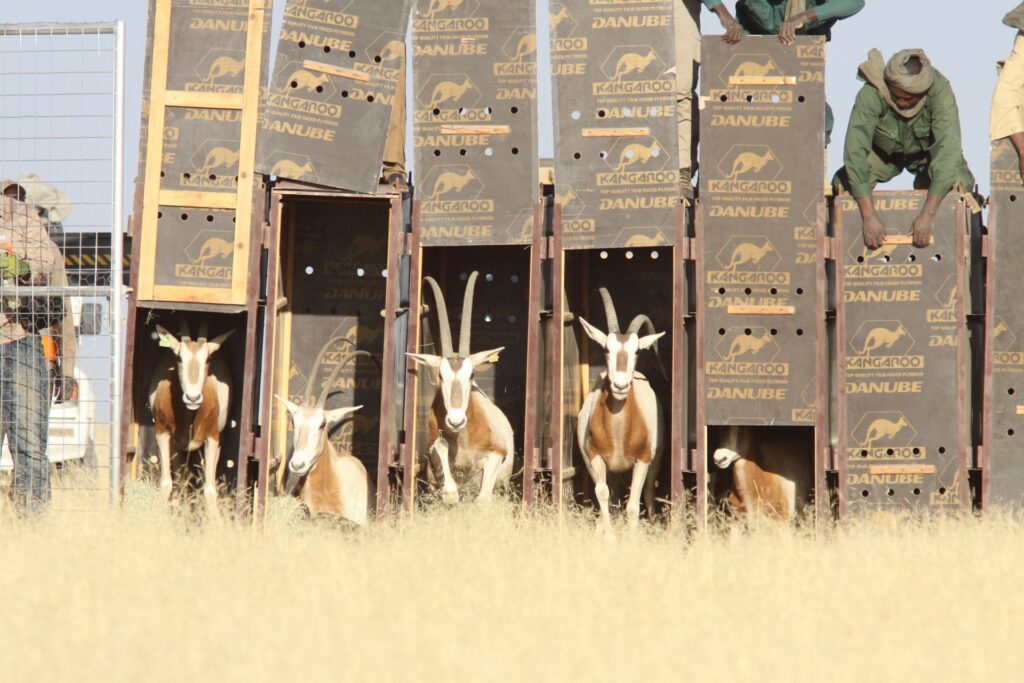
It would take nearly 70 institutions, from a collector’s ranch in Texas to the Environment Agency Abu Dhabi (EAAD), hundreds of thousands of dollars, private airlifts for oryxes from around the world and the persistence of dozens of dedicated scientists and conservationists, but in 2016, 25 oryxes were rereleased into the wild.
Since the first oryxes were flown into the reserve, the population has grown to around 700 — a number small enough for the species to still be considered endangered, but far bigger than the team can monitor on an individual level. The strangers we encountered that afternoon in the four-wheel drive were a sign of success, but also portended a shift happening in the efforts to save their species. Wacher, Newby and the team are now focusing on habitat management and population-level monitoring as their direct control over the oryxes’ survival has started to diminish. The oryxes are venturing further into the 30,000-square-mile reserve, where they’ll encounter environments that once proved inhospitable to them. As they face being truly wild again, they must contend with the extreme precarity of life in the Sahel, untethered from the security of an intensive conservation effort. Only five other mammal species have been successfully brought back to the wild from extinction. The question now is, can the oryx be the unicorn of species reintroduction?
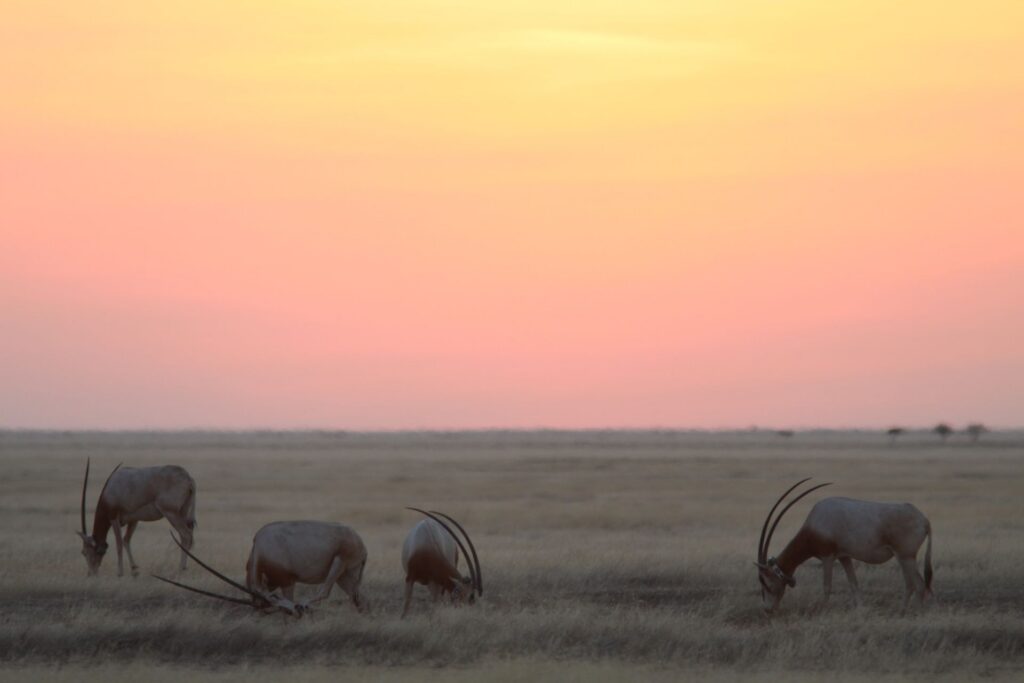
Experts estimate that, at their height, there were 100,000 scimitar-horned oryxes living across the breadth of the Sahel, the semiarid belt of land that stretches from Mauritania in the east to Somaliland in the west. As the nations where they lived developed more infrastructure over the course of the 20th century, the animals’ habitat became fragmented. Civil unrest during the decolonization of Africa and its aftermath, and the pressures of a changing environment on pastoralists, led to unsustainable levels of hunting and poaching. By the time Newby began working in central Chad in 1972, a severe drought had killed thousands of residents and the livestock they kept. “The wildlife was impacted, but we don’t really know how badly. There was very little baseline information at that time,” he told New Lines in an interview at the OROA base camp. As part of a bigger study of wildlife in the Sahel, Newby began documenting the status of the scimitar-horned oryx. “It became clear that the oryx population in Chad was extremely important because it was fairly numerous. You could probably go out every day and find oryx, but that was a bright spot on a very dull map of Africa,” he said.
Though it was in the middle of a civil war and there were many other priorities on its plate, the Chadian government launched an antipoaching drive in 1975, in an effort to stabilize a population decline that was not only affecting the scimitar-horned oryx. Swaths of highly specialized desert mammals, including the spiral-horned addax and dama gazelle, were also in decline. But in 1979, the project hit a major roadblock when the war escalated and was compounded by a border conflict with Libya in the north that would spill into a war of its own. The reserve was sandwiched between two fronts in the war, one in the north of the country and another in the south. “We carried on working in the reserve for quite a long time because it was a pretty empty area. There was very little interest in it,” Newby recalled, “but there came a time when it was clear that rebel groups were going to take over the towns of northern Chad,” closer to the reserve, putting the scientists, local inhabitants and the animals at risk. Conservation work halted in the reserve, and the interest group turned its focus to neighboring Niger as a potential refuge for regional wildlife.
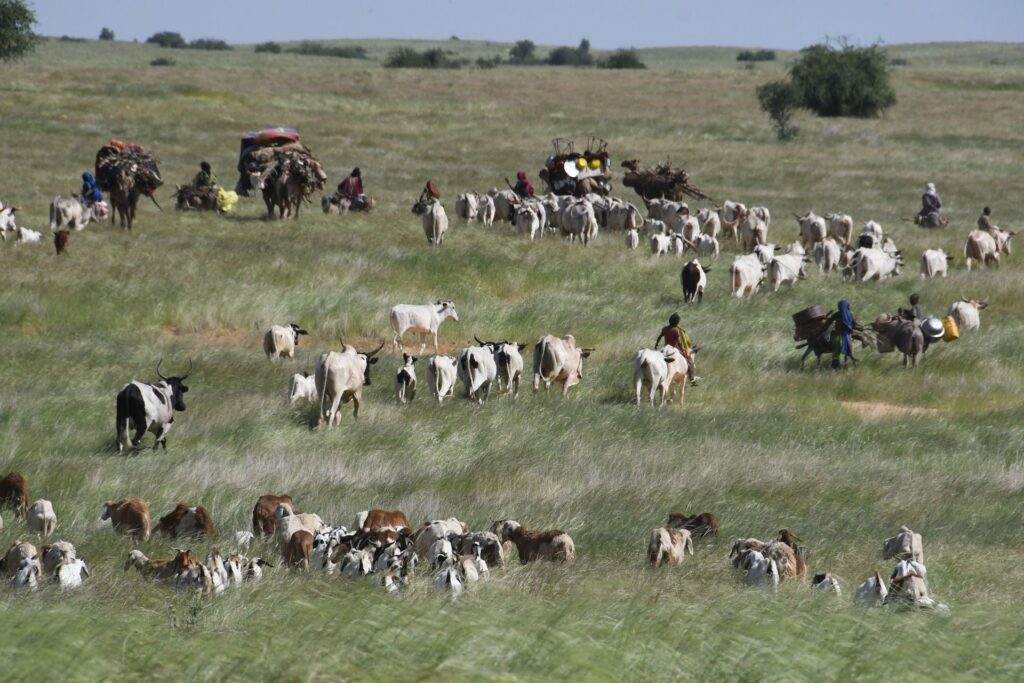
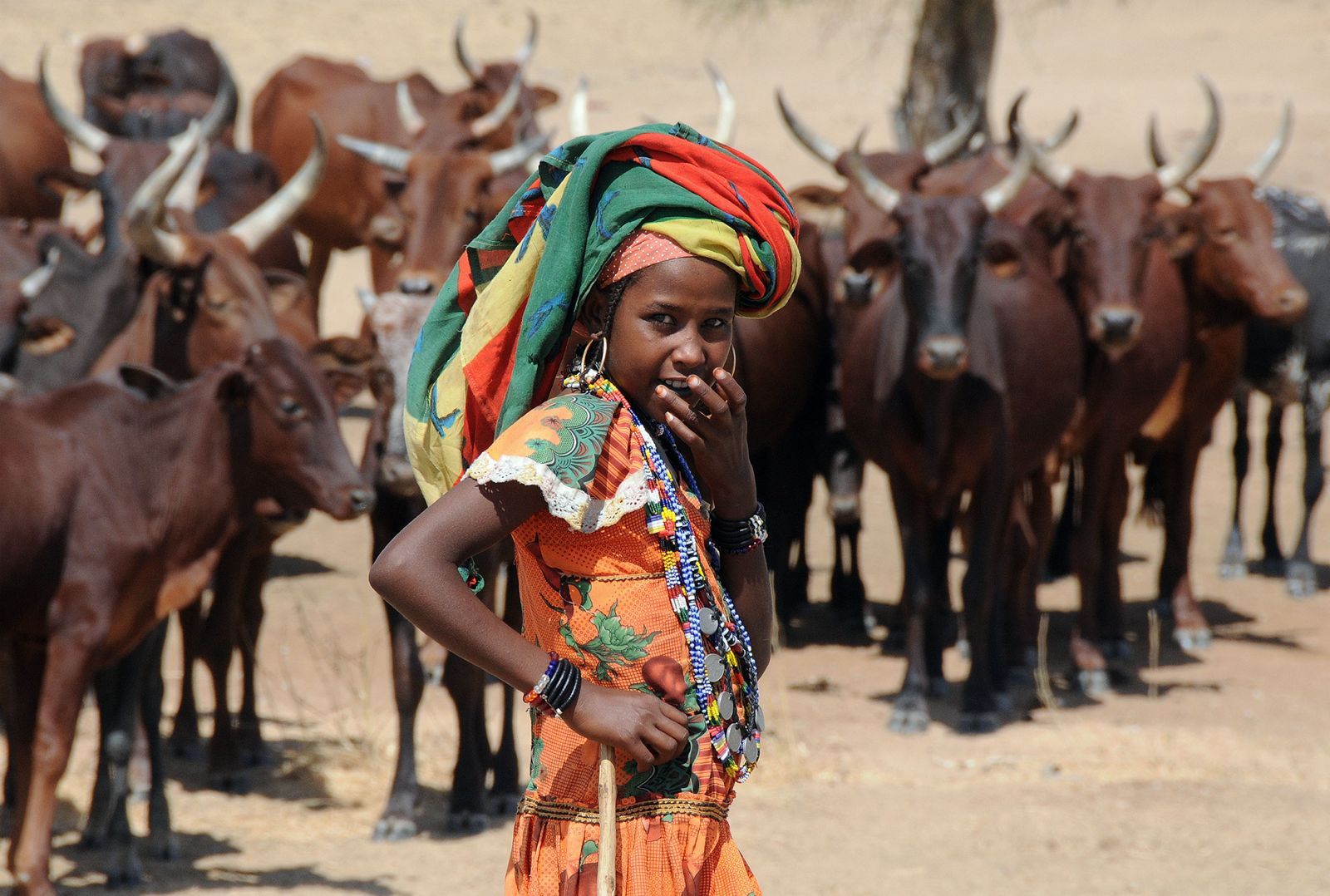
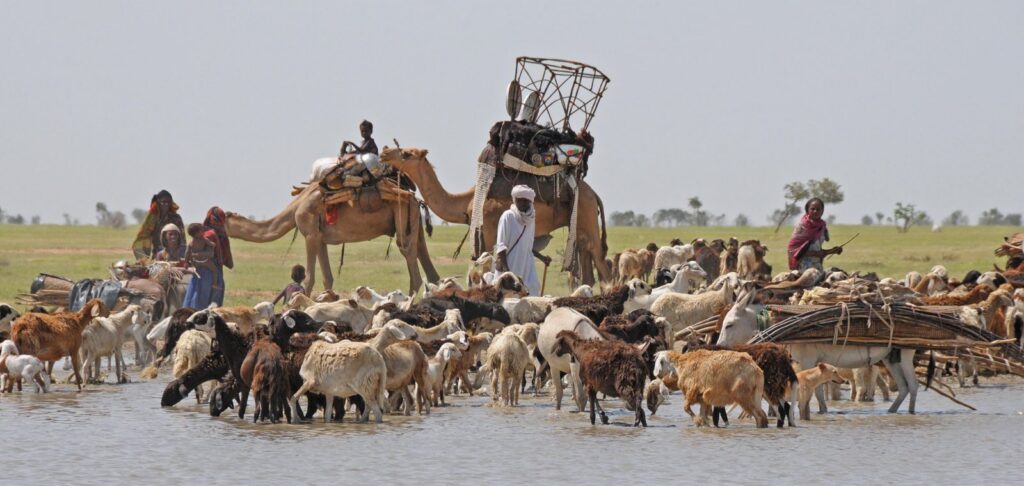
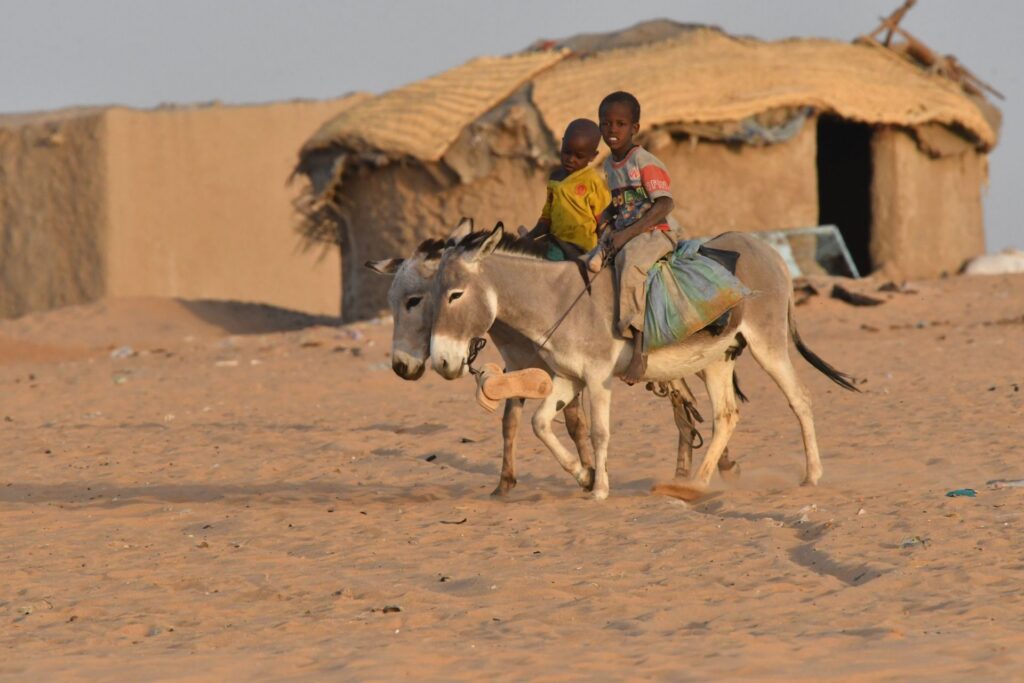
Without eyes on the reserve, it is hard to tell exactly what happened to the wildlife population there during the 1980s and 1990s. Life for all its inhabitants, human and animal, has always been precarious. The 100,000 Chadians who call the reserve home live mostly as seminomadic pastoralists, following the stubborn annual rains to find pastures for their livestock. Should the rains fail, the subsequent 10 months can be especially fraught in a region already suffering from extreme poverty. Conflict only makes things worse — pastoralists’ movements are limited by the fighting, making finding pastures difficult; warring factions can rustle livestock or extract high protection taxes. As a result, pastoralists in protected areas may break laws designed to protect wildlife — poaching, or even just cutting down trees for firewood or charcoal — to stay alive. The consensus is that an increase in hunting and resource exploitation took place in OROA throughout the 1980s, leading to the eventual extinction of the wild scimitar-horned oryx.
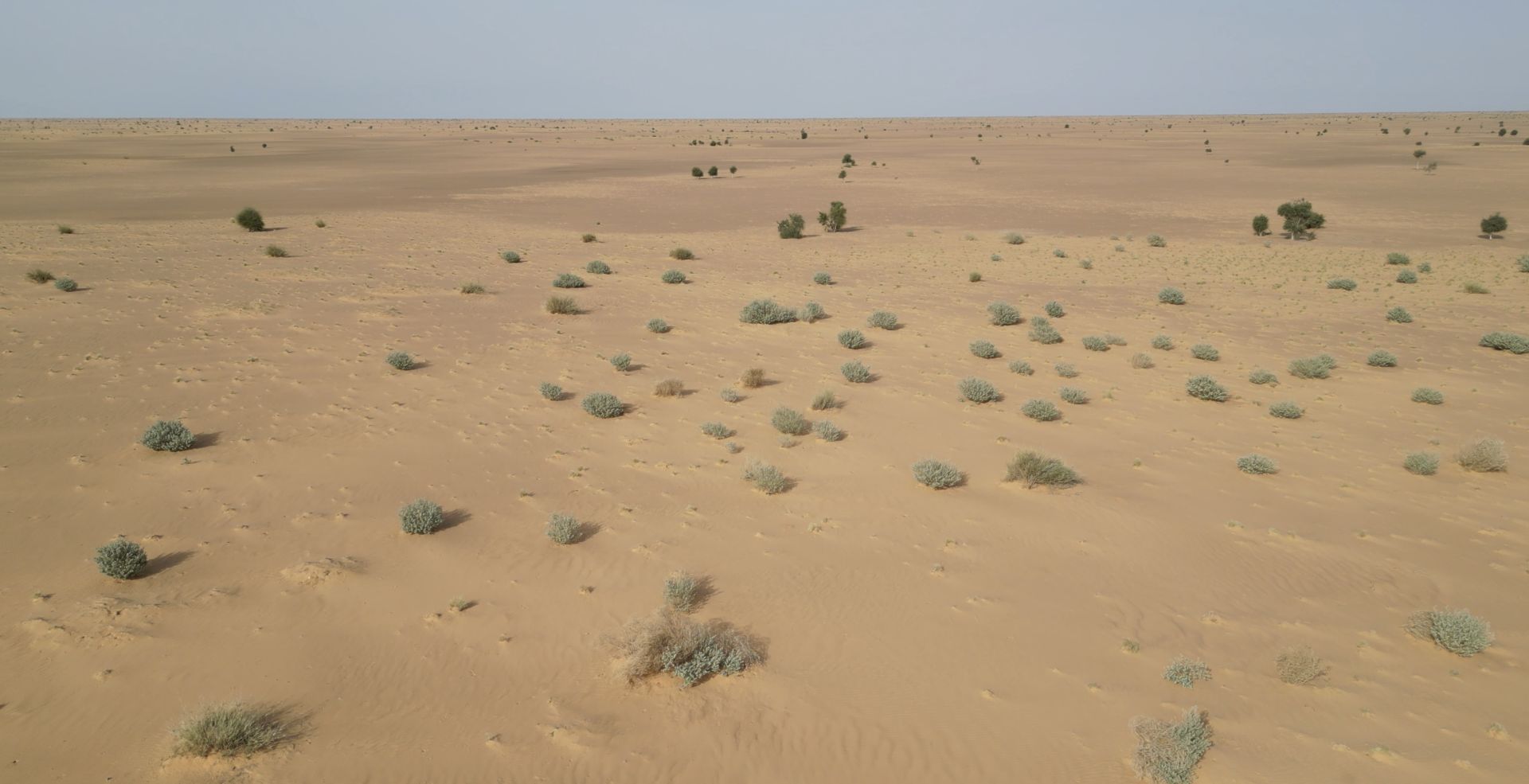
There was a significant break in fighting in 1984, and the conflict between Chad and Libya finally came to an end in 1987, but life in the reserve was fundamentally different after the war. Hissen “Abu Ramla” Talko, a community elder, recalled: “Before, we hunted. Two or three animals would be killed so that our families could eat. … There were hides and ropes.” But with the extinction of the oryx, those resources also disappeared. Despite the destruction of the mammal population, when Newby returned in 2001 he found a habitat that was still largely intact. The droughts that had pounded Chad over the previous 30 years were easing, and a lack of deep water had prevented any significant development in the reserve. “There were large numbers of dorcas gazelle,” a tiny, spry type of antelope, found across the reserve. “A lot of the other wildlife was still here, even small groups of dama had survived,” Wacher said. The Sahel and Sahara Interest Group conducted reintroduction viability surveys, and “there was good evidence that, potentially, the oryx could live here again.”
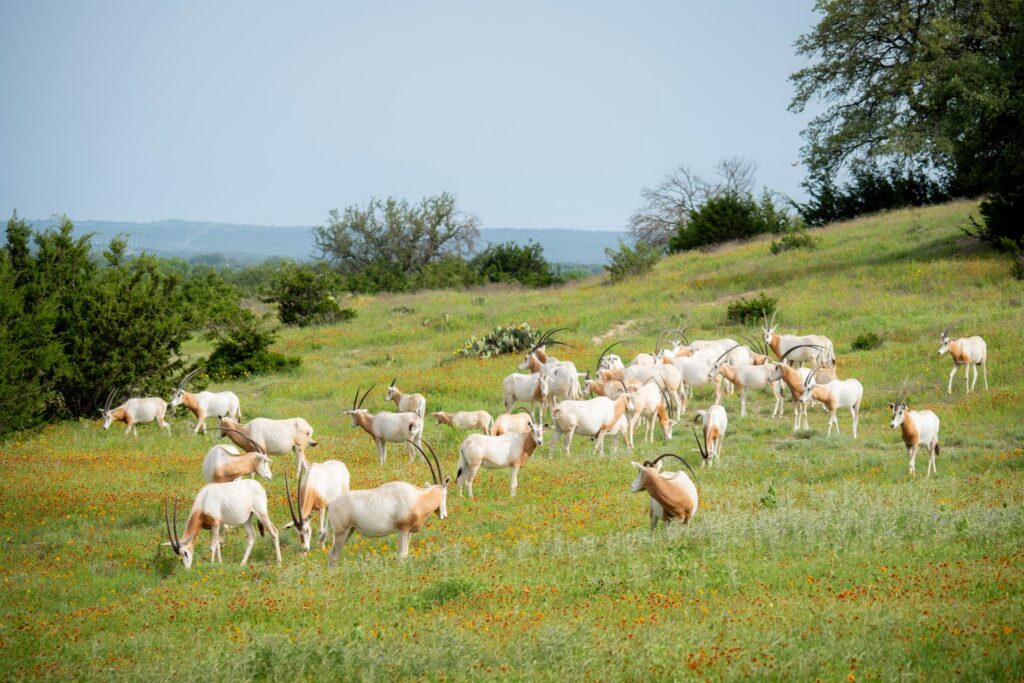
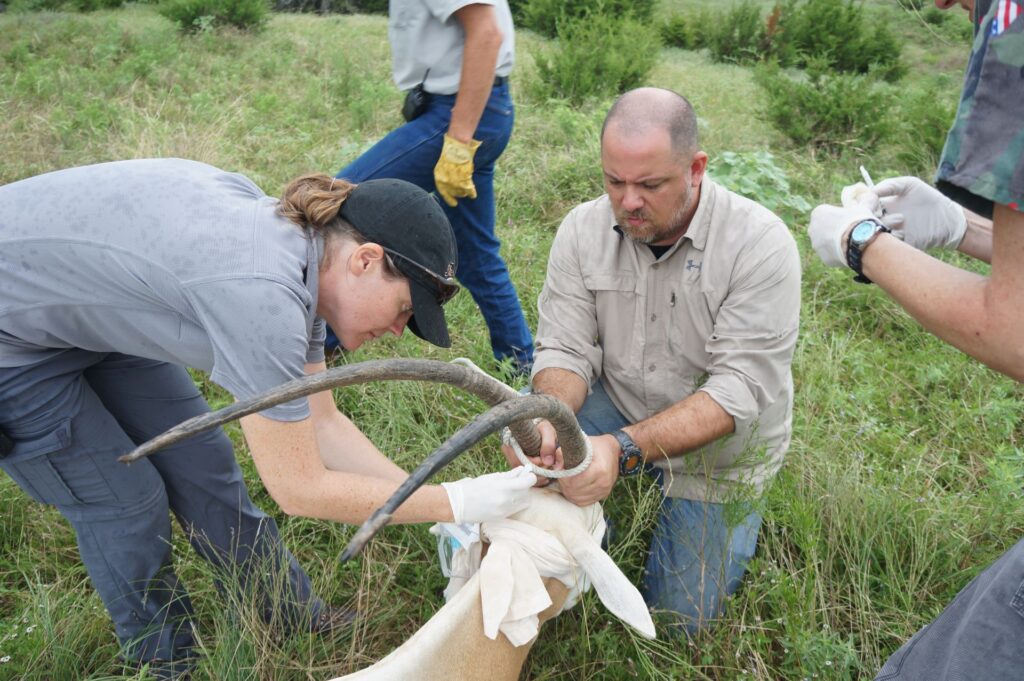
“Everything we do is in very small circles,” said Adam Eyres, director of animal care at Fossil Rim Wildlife Center in Glen Rose, Texas. “It’s all the same people.” Eyres already knew the team at Newby’s newly founded organization, Sahara Conservation, by the time they landed in the U.S. to gather support for the reintroduction project. Relatively few people were working on the conservation of the Sahel in the mid-2000s, so word spread quickly among Western zoos that had scimitar-horned oryxes — as did a desire to get in on the conservation efforts. The populations in zoos were rather small, about 1,500 individuals. But on private ranches, the numbers were much higher: There were more than 10,000 oryxes in Texas alone. When zoos get too many animals, “they stop breeding, and that’s not the way you protect a species,” Eyres explained. A 1960s import of oryxes from Chad to the U.S. led to successful breeding programs in keystone institutions like the San Antonio Zoo. “They were foresightful enough to know that, if they were going to continue to make them, they were going to need more space,” Eyres continued. “Some animals ended up going to private properties,” including Fossil Rim, which was previously a collector’s ranch, but is now a conservation-focused institution with ranch proportions — it sits on a sprawling 1,800 acres about an hour outside of Fort Worth. It became the proving ground to see how roaming oryxes would react to wearing GPS collars and being transported long distances.
Even though institutions like Fossil Rim contributed vital resources to the project, Sahara Conservation initially struggled to find funding outside of these specialist communities. “Many conservation organizations were focused on biological ‘hotspots’ like the Amazon — places where there are 4,000 species every square meter,” Eyers joked. “No one was really giving resources to the Sahara, which, to the layman, is just a huge expanse of nothingness.” Private investors were also reportedly hesitant to invest in a politically unstable region, and so Sahara Conservation had to rely on public bodies, like the European Union, with an obligation to provide resources to countries like Chad.
But the funding they received just wasn’t adding up. They needed to build a base at OROA that would house upward of 10 permanent staff at a time, oryxes would need to be flown to Chad at about $20,000 per animal and each individual radio collar costs $1,000 alone. Then, an unexpected donor stepped in: The ruling family of Abu Dhabi.
Sheikh Zayed bin Sultan Al Nahyan, the founder of the UAE, was a passionate collector of antelopes — including somewhere close to 8,000 scimitar-horned oryxes. When he passed away in 2004, the EAAD, where Newby had previously worked, sought to dedicate his collection to the conservation of the species and agreed to lead the reintroduction from a purpose-built facility in Abu Dhabi — the Deleika Wildlife Management Centre. From there, they would cultivate and manage the industry’s first “world herd.”
“Extinct in the wild” species, as defined by the International Union for Conservation of Nature, often have low genetic diversity because a relatively small number of animals are used to start and grow captive herds. This can lead to inbreeding, which further limits diversity and leaves a species vulnerable on a large scale to disease or mutation. To mitigate this, the EAAD, in collaboration with geneticists at the Royal Zoological Society of Scotland, flew oryxes from different herds across the globe to Abu Dhabi, where they were bred to maximize genetic diversity and resilience. The most suitable individuals were then flown to Chad at the private expense of Abu Dhabi’s crown prince.
Little was known about the wild scimitar-horned oryx before its extinction, so the team worked with data from animals that had been released into fenced enclosures in Tunisia and related species of still-wild antelope. Eventually, they were able to model the reintroduction. “What happens if we have 50 oryx and a drought comes? What happens if for two years there’s a drought? You can put in all these variables, and it runs a thousand iterations of that,” Eyres said of the “Vortex” population modeling software. “It said if you have 100 animals, they will go extinct by 2030. If you have 200 animals, they will go extinct by 2040. If you have 500 animals, they won’t go extinct. All the people opening up their purse strings felt better about that.”
With those numbers in mind, there was a lot riding on the broad backs of those first 25 oryxes that trotted out into the grasslands of OROA in 2016. The team continued to breed and transport oryxes to the reserve, releasing them in groups of about 20 at the moments in the year when there were plenty of shady trees and areas of green vegetation to ease their transition. Wacher trained an ecological monitoring team that, in the early days, would track the movements and health of each individual. “It’s the first time this species has been studied in that sort of detail,” he told New Lines. They learned how the oryxes adapt to different seasons and confirmed elements of their social life, including the fact that a new mother will often pair off with a lone male for the first weeks of her calf’s life, like the group Wacher, Newby and I found in the acacia tree. Newly introduced oryxes were observed learning from experienced ones, and were successfully finding viable pasture and water all year round. “We were really lucky with the oryx,” Newby recalled, “they took to their new surroundings very easily.”
Now, when the team runs its current data through Vortex, it returns a 0% chance of extinction in most scenarios, including when droughts and disease are considered. The oryxes have already weathered two extreme climate events in their 10 years, Wacher tells me — an outbreak of disease during the wet season of 2018 and a heat wave at the end of 2024 that withered much of their green food.
Part of the oryxes’ success has been the central location and massive size of OROA. The reserve was originally set aside in 1969 and designed around the movements of the animals it was created to protect. This gives them the essential mobility to follow the rains and find everything they need within its boundaries. The reserve is nevertheless a product of its surroundings. The civil and Libyan wars had ended before the project was launched, but throughout the 2000s, clashes continued between rebels in the north and the government in the south. In the early 2010s, a gold rush began in the northern Tibesti region, which flooded OROA with traffic as people poured northward to try and reap its rewards. Porous borders with neighboring Sudan and Libya have also pushed traders, both illicit and legitimate, through the reserve as they attempt to avoid police checkpoints and hijackers on the main roads.
In spite of this, OROA has proven to be stable enough for the oryx population to grow past that golden 500 mark, but its future isn’t guaranteed. The Sahel is still a perennially unstable region, and Chad is the second most climate-vulnerable country on the planet, according to the International Monetary Fund. The reserve’s human and wildlife populations must contend with the resulting scarcity, poverty and unrest. How they navigate these challenges in tandem will define the success of the reintroduction project over the coming decades. “The last 10 years have been the easy 10 years,” Newby said, “the biggest worry I have is cohabitation with pastoralism in the long term.”
Five hundred miles from the reserve, in the capital N’djamena, Newby was flicking through a laminated copy of the OROA’s management plan with his colleague Oualdabet Mogomna, in an office with the blinds drawn to keep out the hot morning sun. Some residents want to dig a well in the reserve, and the pair were trying to figure out if it would lie on the checkered or the spotty areas on the map laid out in front of them: strict conservation area, or development allowed. This zoning map was drawn in consultation with 40 local representatives, including tribal and religious leaders, and was approved by Chad’s government in 2023. The government outsources the management of most of its major protected areas to nongovernmental organizations involved in conservation, including the South African organization African Parks and the French Noe, as a way to save money. Sahara Conservation took over the full management of OROA in 2025 after co-managing it for more than a decade. The reserve is still protected by national laws that prohibit hunting and tree felling, but the management plan, which is not a legal document, aims to optimize its resources so that both the wildlife and residents have what they need to survive without impeding each other. To do that, the team drafted the initial zoning of the reserve around existing animal and transhumance routes. “Some things are already preordained just by their nature,” Newby explained. “We can’t put precious water resources inside an off-limits area.” How new development is managed and enforced in a reserve the size of Scotland is something the team is still figuring out.
Many of OROA’s locals remember the scimitar-horned oryx from before its extinction and value it as an iconic species. An older resident who had set up camp on a fire break not far from the base told New Lines plainly: “They were gone and now they’re back. It’s good.” Newby believes this living memory has played an important role in the successful reintroduction, but thinks the relationship is more passive. Sahara Conservation has seen the oryxes interacting peacefully with livestock and camps, and reports just one negative response from a local in 10 years, but they acknowledge that in the event of extreme scarcity or civil unrest, the oryxes and their needs may not be a priority. “While the wildlife is out there and doesn’t impede their activities that they need for survival, it’s all well and good, but they’re living in an incredibly fragile, unpredictable setup. I’m quite realistic about what to expect and what not to expect,” Newby said.
Life in the reserve is peaceful for the time being, but the impact of instability on Chad’s wildlife is being modeled throughout the country. On the eastern border with Sudan, more than 1 million refugees have crossed into the country, fleeing the brutal war in their homeland and living for the most part in temporary settlements that put an unsustainable burden on natural resources. “The local environment has already been hammered,” Dermot Hegarty, the country director for the Norwegian Refugee Council, who works in the border town of Adre, told New Lines. “The easiest, cheapest way of getting wood is just to cut something down locally, but up until what point? Until you have no trees left. It’s just a matter of survival.” In the south of the country, ecologists are looking at the pressure that the masses of people fleeing violence in the Lake Chad Basin are putting on some of the region’s waterbirds.
Inside OROA, the biggest security threat is in the north of the park, far from Newby’s base, where illegal arms and drugs are trafficked, and many routes to the mines in the north cut through the scrubland. As the oryx population grows, it has pushed further into that part of the reserve and is interacting with this less-than-hospitable traffic. Newby’s team is hoping to make an excursion there soon to see what the risks are for their growing herd.
The majority of illegal traffic disappeared from the south of the reserve around 2021, when police checkpoints on the nearest north-south road outside of the park were removed, according to Newby. This resolved some of the human threats the oryxes were facing, but the biggest human hurdle still remains: overgrazing. Between 2011 and 2019, the reintroduction team found that livestock density in certain parts of the reserve was at or above levels that were ecologically sustainable. All across Africa, studies show, livestock herds are burgeoning, largely because the productivity and value of individual animals are decreasing. Livestock production is one of Chad’s most important industries, and 80% of that production is done by pastoralists like those living in OROA. Sahara Conservation knows it is unlikely that residents will reduce the size of their herds. And with climate change altering the routes and pastures herders use, there is increased competition for food with the oryxes, complicating adherence to and the enforcement of the reserve’s management plan.
Sahara Conservation has worked with local and religious leaders since the inception of the project to consult with the residents of the reserve. But because so much of the population is dispersed and mobile, making decisions and moving in individual family units, they do not know how many people these leaders are ultimately able to speak with. During the rainy season, the team predicts that 10,000 new residents — long-distance transhumance pastoralists — enter the reserve and double the density of livestock in certain areas for a few months before leaving again. A few years ago, they sought approval from locals in the northern region of OROA for a research project that used camera traps. By the time they had installed them, an entirely new group of people had moved in that “knew nothing about why the cameras were there, through no fault of their own,” Wacher explained. Four cameras were taken down, with two eventually being returned bearing pictures of the inside of one of the herder’s homes.
The team is trying to mitigate these kinds of mishaps by working with social scientists and local experts who can more effectively reach a wider group of people. Newby considers this particularly important as he doubts that there will ever be enough resources in OROA to guarantee the management plan is adhered to without the residents being actively concerned for the oryxes’ well-being. “It would be nice to see more proactivity; people being able to factor in the oryx into longer-term decision-making about how best to use the space,” he told New Lines. The team has a squad of 40 eco-guards, but Newby estimates that, to keep everyone respecting the management plan, they’d need one guard every 4 square miles for the reserve, which is unrealistic in a 30,000-square-mile space. “We need resources that we don’t have and are unlikely to get at that scale,” he said.
As the oryx project shifts its focus toward managing the reserve, Sahara Conservation is anticipating a shift in funding as well. Newby is concerned that some of the project’s historical backers view the job as done now that the scimitar-horned oryx has ostensibly been reintroduced to the wild. But he predicts that managing the reserve will cost more than $1,000,000 annually, and there are still new animals being flown to Chad every year. Newby knows that eventually they will stop releasing new individuals, but he wants that “to be a science-based decision rather than a money-based decision or a politically based decision.”
This is especially important as the success of the scimitar-horned oryx program has brought vital resources to the wider reserve that would otherwise not exist. In addition to launching restoration projects for the addax and dama gazelle, Sahara Conservation’s work protecting the reserve has helped prevent scarcity for OROA’s residents. It has built a grid of fire breaks that have brought down the number of bushfires, limiting damage to pastures and facilitating health and veterinary services for the residents of the reserve. Maintaining healthy livestock is of particular interest for the oryx program because it prevents the transfer of disease while also supporting the residents’ livelihoods. They hope that finding these shared interests will allow locals to see a reciprocal value in actively protecting the oryx population.
“The oryx, the wildlife in our country, has great value. For those who have never seen wildlife, it is vital we show them it and talk to them about it,” Bishara “Abba Bishara” Hidjer, a local leader, told Sahara Conservation in a recorded interview. Habib Ali Hamid, one of Sahara Conservation’s ecological monitoring officers, represents this better than anyone. Despite growing up in Arada, the closest town to the oryx base, he had never heard of the species nor worked in conservation before he applied for his job. He has now worked with the oryx, addax and dama for 10 years and intends to continue doing so, hoping to progress his career within the reserve. When asked why he thinks his work is important, he replied that he wants his children to know and value the oryx.
In October, the next stock of oryxes is due to arrive from Abu Dhabi to acclimatize to their new lives in Ouadi Rime-Ouadi Hachim. They will be released into a turbulent human world in the hopes that they can secure their species’ future. It’s impossible to know which of them will survive the long, hard dry season, if this year’s calves will grow into adulthood, or if the residents these antelope share their space with will have the resources they need. There are no guarantees of security. In spite of this, the people, conservationists and wildlife of the Ouadi Rime-Ouadi Hachim Faunal Reserve have proved themselves to be resilient in the face of extreme uncertainty. This ability to continue forging ahead with no guarantees is their most fundamental common ground.
Become a member today to receive access to all our paywalled essays and the best of New Lines delivered to your inbox through our newsletters.