

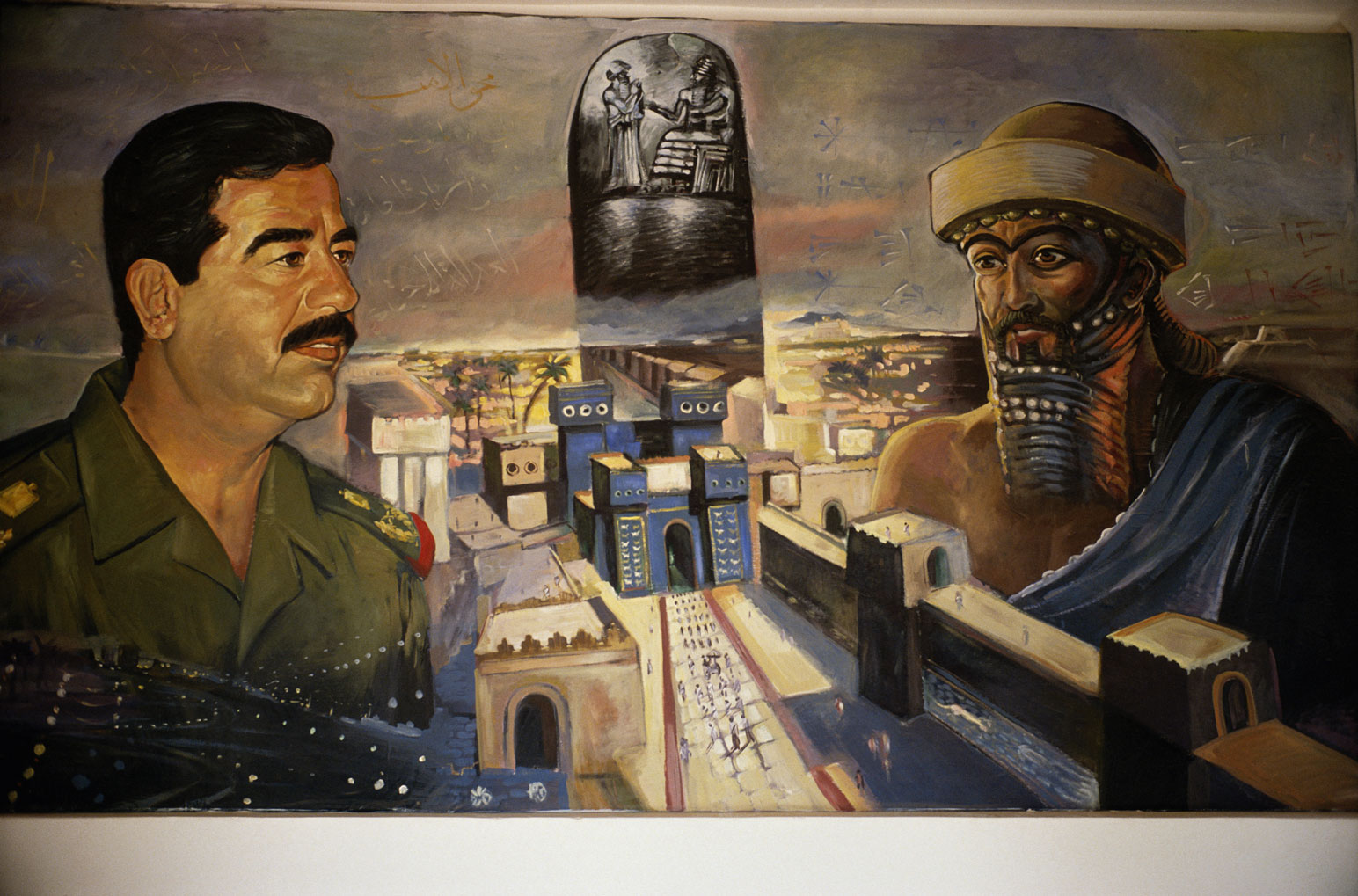
I think it’s a very human impulse to look at the past to shape our collective identity, whatever that collective identity is; as a family, or a community, or a nation.
Certain people have utilized that to tell particular stories, to shape that past.
Art and archaeology have always been used to tell stories about the present. In this new podcast, author and journalist Olivia Snaije and contributing editor Lydia Wilson talk to New Lines’ Faisal Al Yafai about how the Middle East’s ancient heritage continues to shape modern politics. They discuss why Lebanon’s heritage took on new importance after the Beirut port blast last year, why Iraq’s Saddam Hussein styled himself after a Babylonian king — and how the story of a nation depends on who’s telling it.