

Hosted by Faisal Al Yafai
Featuring Hannah Lucinda Smith
Produced by Finbar Anderson
Listen to and follow The Lede
Apple Podcasts | Spotify | Youtube | Podbean
From her home in Istanbul, Hannah Lucinda Smith was able to see the beginnings of certain major global events before they happened elsewhere. “It really is a place where the shocks show up first, but also where you feel like you’re on the front line of crises that are developing,” she tells Faisal Al Yafai on The Lede. “What really frustrated me, and surprised me, whenever I was talking to friends back in Britain — and particularly now that I’ve moved back to London — is the sense of complacency that people here still have about how dangerous a point the world is at, and how close we are to a continent-wide conflict.”
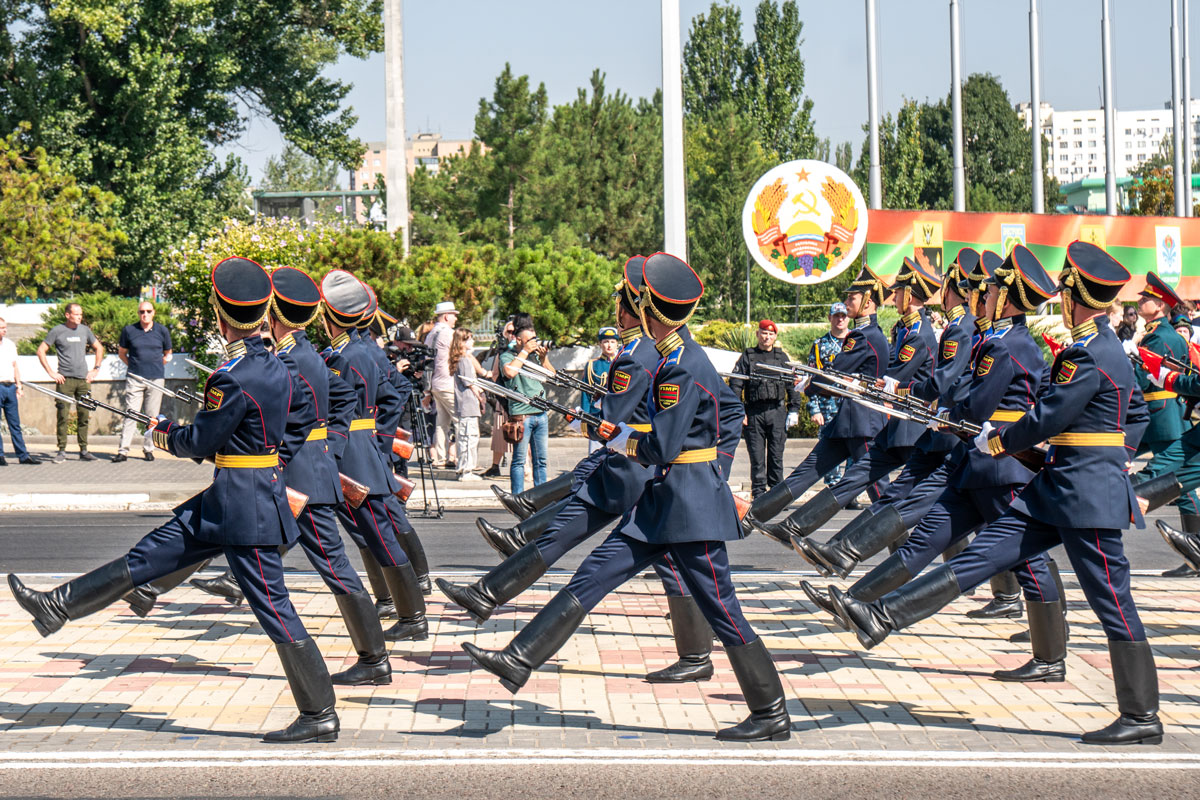
That frustration led to Smith’s new book, “Hinterlands: Journeys Through Europe’s Unfinished Frontiers,” an anthology of vignettes from some of the complex, troubled territories on the edges of Europe, from Syria to the Balkans and Transnistria, that Smith visited from Istanbul while based there as a reporter.
“You feel like you’re on the front line of crises that are developing.”
Part of what Smith hopes to do, she tells Al Yafai, is to bring home to her readers how much closer some of these conflicts are than many of her readers might expect. “If you go to places like Poland, or to Romania, where last week a Russian drone hit a building, those conflicts feel very, very close,” she says.
Having left Istanbul, Smith sees potential democratic backsliding in her native United Kingdom. “I’ve seen how democracy can be unpicked very easily,” she says. “This is why [the far-right party] Reform is terrifying. Their entry point is immigration — they’ve cleverly picked up on failures that do need to be discussed, and on public anger about that. But that’s giving them a backdoor for far more worrying things.”
Those failings are the reason she came to leave the Turkish city she had called home for many years, Smith says. “Quite a lot of people have asked me since I’ve been back, ‘Do you miss Istanbul?’ And I don’t – because the Istanbul that I fell in love with doesn’t exist anymore.”