

HTS
A Nobel Prize for Syria?
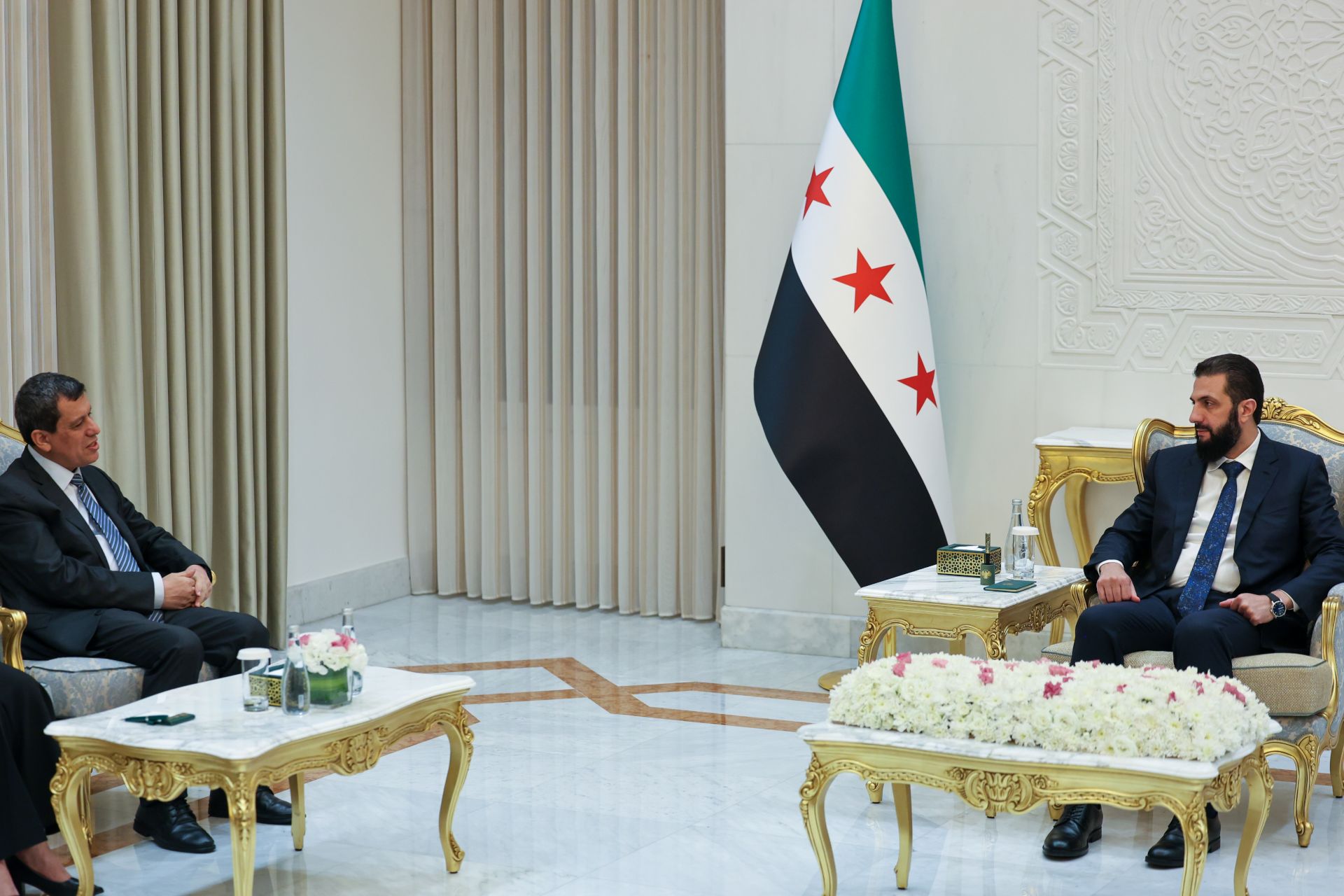
Syria's president and the country's foremost Kurdish militia commander have defied expectations of a major military clash, overcoming years of discord to make peace against the odds.
Uneasy Allies
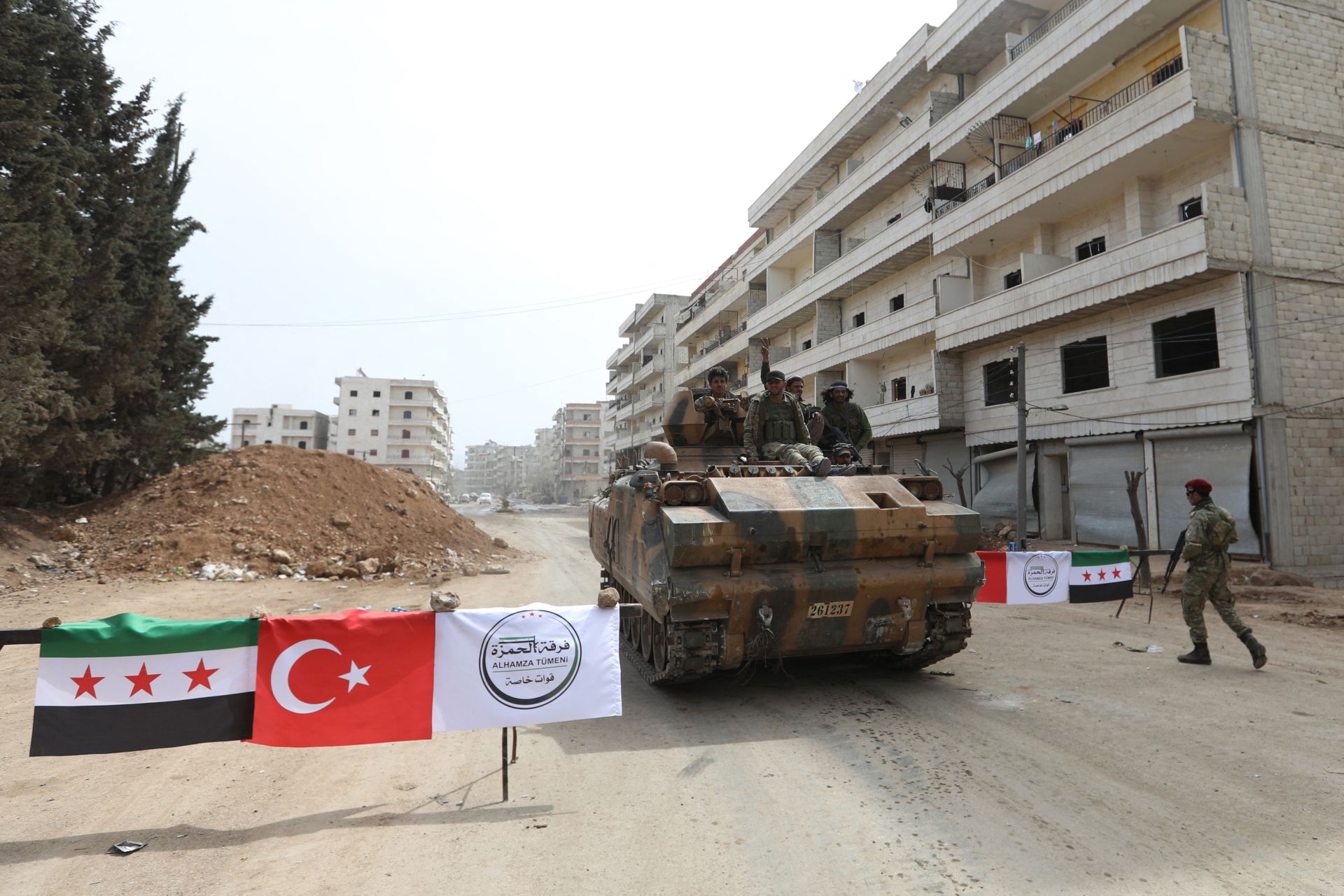
The partnership between Turkey and the new Syrian leadership is long-standing and complex. It has evolved into an alliance defined not by subservience, but by mutual dependence, recurring friction and an increasingly assertive Damascus.
Syria’s New Order Is Not As Fragile As It Seems
The people now running Syria didn’t just replace Assad — they inherited the revolutionary energy that toppled him. That’s what makes the country’s new order both resilient and paranoid.
Celebrating Syria’s Liberation From a Prison Cell in Iraq
The fall of Bashar al-Assad’s regime was the happiest day of Elizabeth Tsurkov’s life, though she had at the time been tortured and imprisoned for nearly two years on a militia base in Iraq.
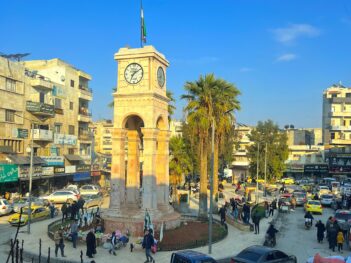
Islamism Is Still Thriving in Idlib
As she prepared to return to Idlib province after several years in exile, the author was hopeful that the Islamist rule over her hometown might have been relaxed — but what she found made her question if she would return again.
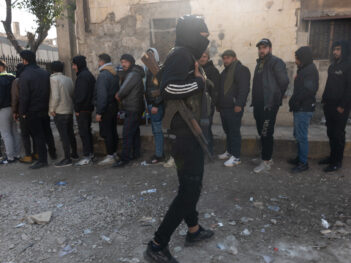
The Disintegration of Assad’s Army
The collapse of Bashar al-Assad’s army was the result of multiple political, military and social factors. This insider account details its final days and the broader implications for Syria and the region.
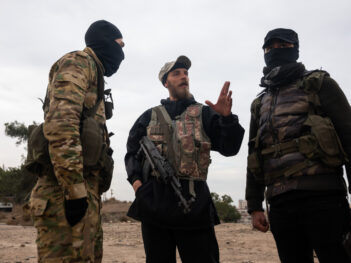
Syria’s New Rulers Are Working To Unify Military Power
Syria’s transitional president, Ahmad al-Sharaa, is attempting to establish a single centralized military authority in the country. His government’s ability to balance this requirement with factional grievances, economic reforms and external pressures will determine whether the fragile peace holds — or if Syria is destined for another cycle of instability.