

On Sunday May 3, the White House had a new plan: Project Freedom, a military operation that, Donald Trump claimed, would definitely reopen shipping through the Strait of Hormuz. It would start, the U.S. president said, the very next morning. On Monday this week, instead of the hundreds of ships promised, just two passed through the strait. By Tuesday, the operation had been halted.
So what had changed? The answer, according to multiple reports, is that Saudi Arabia had told Trump “no.”
Riyadh told Washington it would not allow the U.S. to use its bases nor open its airspace to American planes, forcing Trump to accept that the plan was unworkable and shelve it. Kuwait also denied the U.S. use of its bases. Then, the next day, after a direct call between Trump and Mohammed bin Salman, Saudi Arabia’s de facto leader, the restrictions were quietly lifted.
What happened reveals a pattern in the way allies are dealing with the mercurial, often vengeful Trump. Since he roared back to the White House at the start of last year, leaders from allied countries have been afraid to refuse him anything, lest he place tariffs on their exports — a weapon he established definitively in April, when he slapped sweeping duties on almost all imports. Yet in the past few months, allies have begun to rediscover the (formerly dying) art of the “no.”
The earliest example actually came in the first two weeks of Trump’s second term, when five Arab countries issued a joint statement rejecting the displacement of Palestinians from Gaza. Trump refused their refusal, telling reporters, “They say they’re not going to accept. I say they will.” But within days, he walked back the demand, calling it merely a recommendation, and then quietly let it go. Unlike with European allies later, the Arab states faced no tariffs or retributive action.
After a year of Trump 2.0, America’s other allies appear to have learned the art, which is to disagree behind closed doors as much as possible, couch any refusal in strictly procedural, rather than personal, terms and refuse to escalate in public.
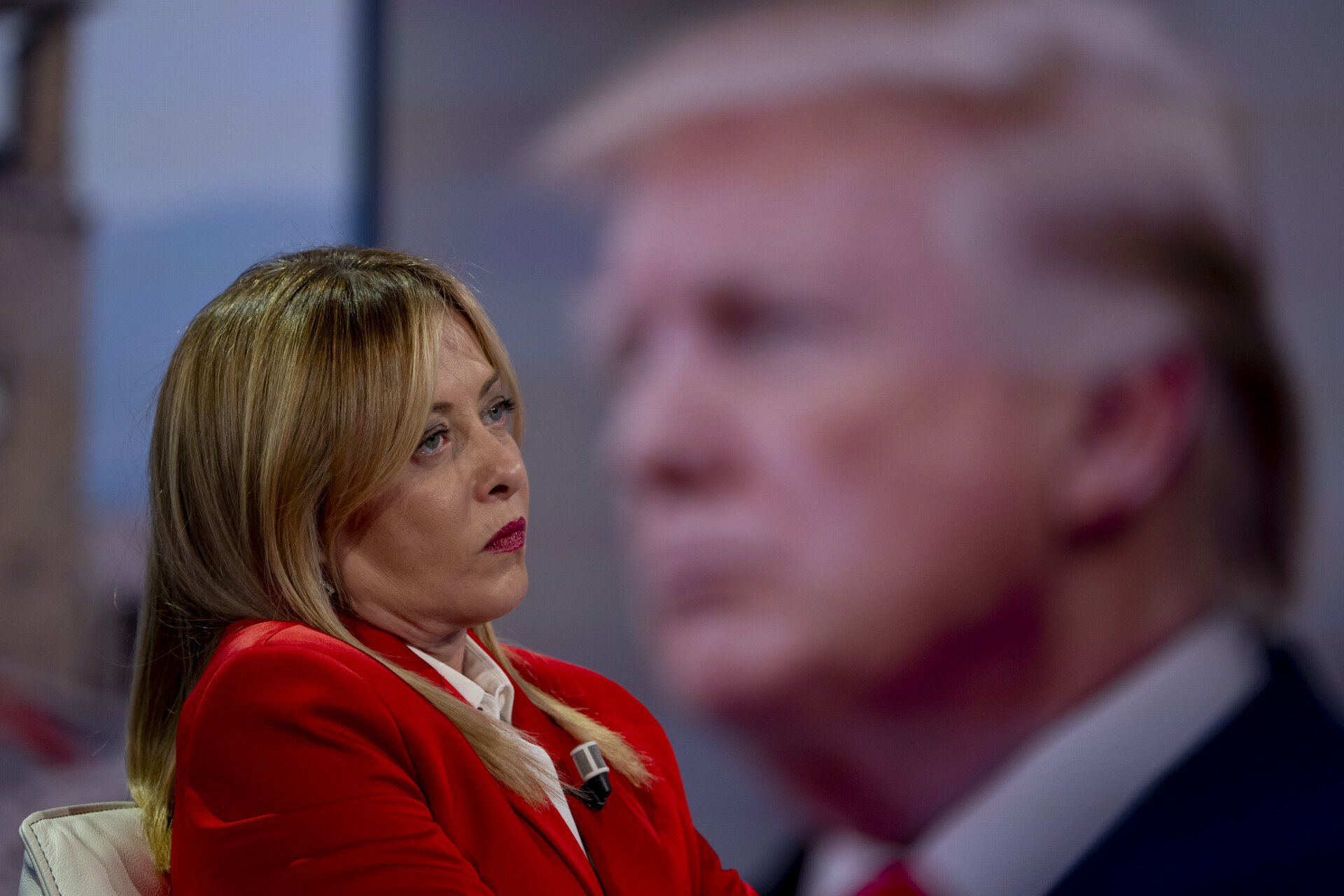
That was how Italy’s Prime Minister Giorgia Meloni, once Trump’s European BFF, explained away Rome’s refusal to allow U.S. military planes engaged in the war on Iran to land at an air base in Sicily last month. The request, her government said, had simply come too late. British Prime Minister Keir Starmer had also expressed criticism of a Trump plan to impose tariffs on Europe until it agreed to let Washington take over Greenland — but did so by playing the policy, not the man, so to speak. Tariff threats followed but were eventually negotiated down. Without humiliation politics, allies found a way to say no and remain unscathed.
The exception to this was German Chancellor Friedrich Merz, who said last week that the U.S. was being “humiliated” by Iran — a rare example of humiliation politics that also used the actual word. Trump responded by withdrawing 5,000 U.S. troops from Germany. The German government, quickly learning the art of the no, used a more procedural tone, saying the troop reduction was merely “anticipated,” without naming Trump.
Part of the reason for the shift in tone was uncertainty over what Trump 2.0 would actually look like. Most of the issues Trump campaigned on were domestic — migration, taxes, the economy — and when he returned to the White House trumpeting “promises made, promises kept,” allies abroad initially went along, assuming the focus would remain on the homeland. But a year of the president’s actions has focused minds abroad.
Taken together, these incidents suggest a potential new approach from even close allies: recognizing that saying no to Trump doesn’t lead to immediate retribution, regardless of what the president might declaim on Truth Social. An Arab “no” is not the end of the relationship, and a European “non” doesn’t invite rupture.
With careful calibration, Washington’s relationship with its allies can survive even the worst word in the Trump lexicon.