

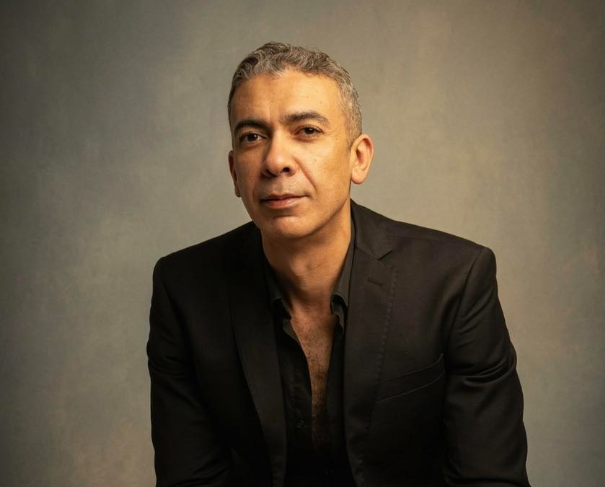
On April 20, an Egyptian doctor named Diaa al-Awady was reported dead by Egypt’s Ministry of Foreign Affairs. The 47-year-old former intensive care anesthetist and medical influencer was found dead in his hotel room in Dubai, after suffering an apparent heart attack.
Before his death, al-Awady had become a controversial figure in Egypt and the broader Arab world. He had a YouTube channel with 341,000 followers, 2 million followers on his Facebook page and multiple large Facebook groups that spanned almost 500,000 members, and which grew bigger after his death. His sudden demise intensified both support and speculation. While officially attributed to a heart attack, the lack of detailed information led some followers to question the circumstances, particularly because he had been ostracized by the Egyptian medical establishment even as he gained prominence all over the region for what his supporters saw as his attempts at democratizing medicine and chipping away at the pedestal and power that doctors enjoy in Egypt.
Al-Awady’s family lawyer said there were irregularities in how his death was handled, adding that there were reports that he had been dead for 48 hours before the body was discovered. The public prosecution in Egypt ordered the exhumation of the body and carried out a new autopsy before reburying him. It is currently analyzing the results.
Al-Awady courted controversy because his medical advice contradicted established scientific standards and public health guidance, which led to Egyptian authorities revoking his medical license, closing his clinic and eventually removing him from the doctors’ syndicate because of misleading and false information that he actively spread.
The most disputed element of al-Awady’s medical approach was the so-called “tayyibat” diet. The weight-loss plan divides foods into wholesome and unhealthy categories, called “tayyibat” and “khabithat,” and while it encourages the consumption of whole foods, it rejects all manner of foods essential for health, including fruits and most vegetables (with a few exceptions like potatoes), as well as poultry, fish and other categories. Moreover, he was against using and relying on modern medicines, arguing that a proper diet could help one overcome any illness. In several of his videos, al-Awady said his disillusionment with modern medicine stemmed from seeing numerous patients die during his night shifts working at a hospital.
Yet the unconventional diet (he recommended the consumption of reasonable quantities of Nutella, for instance) drew adherents across the region who bought into its weight-loss benefits. It also found supporters among people incensed at the rising cost of living (some even attributed recent drops in the prices of vegetables and fruits to widespread uptake of his dietary recommendations).
His death came as a shock to his supporters, who mourned him but continued sharing his YouTube videos, recommending his diet, encouraging people to follow it and offering testimonies of their health improving under the regimen. His followers’ curiosity was piqued despite the attacks on his work, with Egyptian authorities banning the circulation of his content online, and prominent media personalities like TV talk show host Amr Adib discrediting the late doctor.
Despite the controversy surrounding al-Awady’s diet and dubious medical recommendations, the movement he began now outlives him, seemingly gaining in popularity and evading attempts to restrict its circulation, including by Egyptian authorities and other doctors. These efforts seemed to have only increased his followers’ trust in a doctor they perceive as having been independent, along with their distrust of government authorities and a modern medical establishment that had lost credibility with many. Through his videos and medical instructions, the late Egyptian doctor perhaps made his followers believe that they alone had control over their lives and fate, without the intervention of medical professionals.
As a 5th-year medical student interning in public hospitals, I can fully understand and empathize with people sharing this mindset and fantasy; every day in the hospital, I witness patients’ family members and friends nervously waiting, and rushing to anyone wearing a white coat to ask what the diagnosis is or about the state of their hospitalized loved one. For some, al-Awady broke the myth of doctors’ infallibility in the collective psyche.
The Egyptian doctor also managed to sow in his followers’ minds a belief that they could question the information they receive from medical practitioners. It shouldn’t be surprising that this idea, which helps balance the power relationship between patients and doctors, was well received by al-Awady’s audience.