

The Bahraini government has revoked the citizenship of 69 individuals, alleging that they sympathized with the Iranian attacks on the kingdom. Bahrain’s Interior Ministry alleges that these individuals are of “non-Bahraini origin.” The list included family members of those who expressed support for Iran or the ayatollah during the conflict.
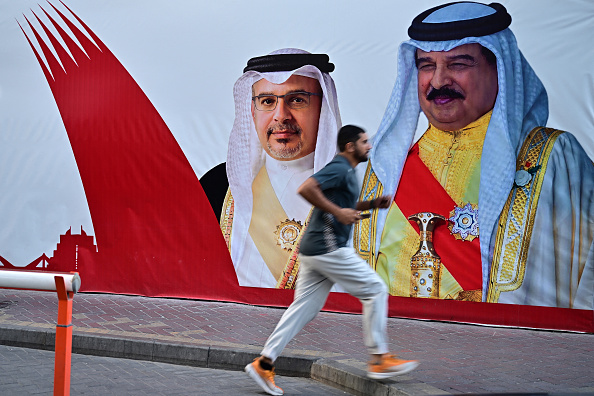
Today’s announcement by the Interior Ministry included the full names of those whose nationalities have been revoked. It comes a week after directives issued by Bahrain’s King Hamad bin Isa Al Khalifa to the crown prince and prime minister, Prince Salman bin Hamad Al Khalifa, to begin “necessary action” against those “who have betrayed the homeland.”
Among the names published are branches of the Khurshid, Jafar, Haidar, al-Ansari and Piroozi families, which have Indo-Iranian roots. Many are part of the Ajam community that has been in the kingdom for centuries. The Ajam, or “Persian Bahrainis,” are mostly Shiite Muslims who had roots on the other side of the Gulf in southern and western Iran, including Fars, Bushehr, Khoramshahr, Sistan and Baluchistan, and Lorestan.
Children and grandchildren of those named in the directive are included in the list of revoked citizenships. For example, Ahmed Amrullah Fathallah Haidar and his children Hassan, Zainab, Abbas and Amna are included, as well as grandchildren Ahmed and Narjis.
Anti-U.S., anti-Israel and even pro-Iranian sentiments exist among both Sunni and Shiite Muslims in Bahrain, but the latter have been disproportionately targeted.
Bahrain’s royal family is Sunni, while Shiite Muslims make up between 55% and 60% of the citizen population, according to the 2020 Report on International Religious Freedom, published by the U.S. State Department. Sectarian clashes, both in the streets and on social media, have seen an uptick since the U.S.-Israel conflict with Iran began on Feb. 28.
According to the Prison Affairs Authority in Bahrain, a nongovernmental organization, more than 250 Bahraini Shiite Muslims have been arrested since Feb. 28. Most of these arbitrary arrests took place in Shiite villages and neighborhoods during late-night raids, and several have led to serious injury or death due to alleged torture.
On March 27, 32-year-old Bahraini Mohammed Abdul Mohsen al-Mousawi died in custody after being arrested in Muharraq two weeks earlier. The young Shiite had disappeared and had no contact with his family until they were told to pick up his body from the Bahrain Defence Force Hospital.
The Interior Ministry initially claimed he died of “natural causes,” but images circulating on social media showed torture wounds on the late al-Mousawi’s body.
On April 16, the Special Investigation Unit (SIU), part of Bahrain’s Public Prosecution office, acknowledged that al-Mousawi had been assaulted, leading to his death. One person was charged by the SIU, which is tasked with investigating abuse, torture and use of excessive force within Bahrain’s judicial system.
Arbitrary arrests, however, have continued under the pretext of punishing “treason” and pro-Iranian sentiment, and the most recent directive on revoking citizenship gives the Interior Ministry extraordinary powers to strip statehood and thereby deny individuals and families the rights to free or subsidized housing, health care and employment benefits.
According to the Interior Ministry, the decision is “based on the text of Article 10/3 of the Bahraini Citizenship Law, which provides for the revocation of citizenship ‘in the event of causing damage to the interests of the Kingdom or acting in a manner that contradicts the duty of loyalty to it.'”
Article 10 has been used to strip the citizenship of more than 500 people since protests inspired by the Arab Spring in 2011, including former parliamentarians and activists, many of whom only found out about the revocation after their names were announced publicly. While this is ostensibly to combat terrorism, the acts listed in the 2006 anti-terrorism law are extremely broad — including “disrupting the public order,” “threatening the kingdom’s safety and security” and “damaging national unity” — and the law has primarily been used to suppress dissent and punish activists.
Since 2012, the Bahraini government has used citizenship as a “weapon for political punishment,” according to former parliament member and now U.K. citizen Jawad Fairooz, who learned about the revocation of his Bahraini citizenship while on a trip to London.
While there is a legal process to appeal the revocation, and some have had their citizenship reinstated, many have been deported. Meanwhile, those affected are left stateless and often without access to government housing, education, finance or health care.