

A Journalist’s Arrest Points to Diminishing Freedoms in Kuwait and the Gulf
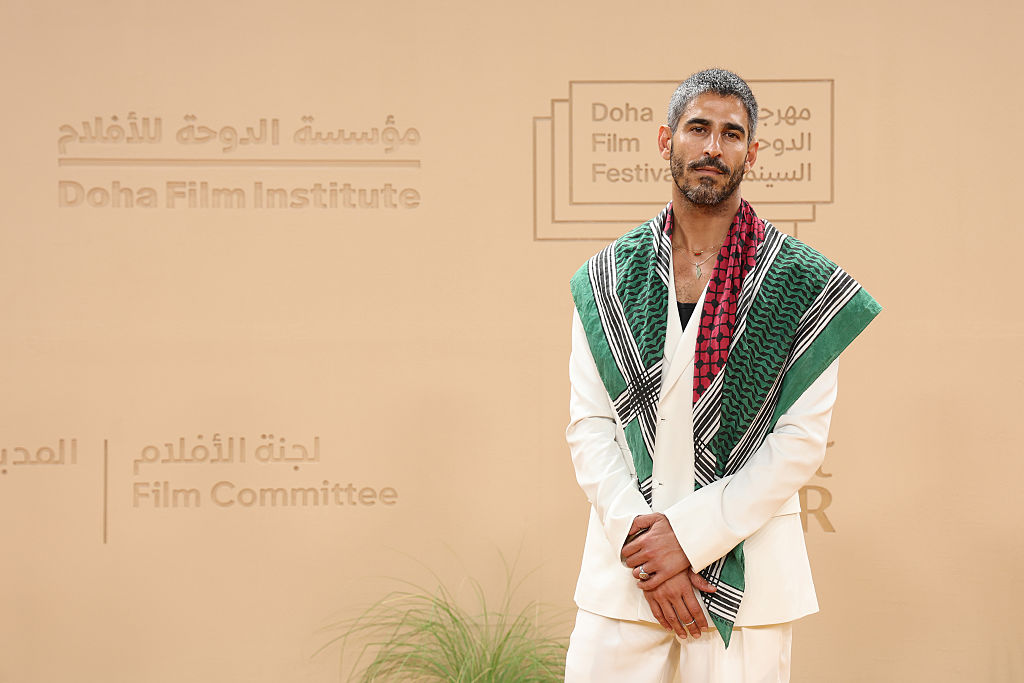
Prize-winning, high-profile international journalist Ahmed Shihab-Eldin has been in prison in Kuwait for the past six weeks, with limited access to his lawyer. Charges are yet to be brought, but it is feared that he, and others detained with him, will be tried under new national security laws for posting footage and photos relating to the Iran war. The government has been warning people against reposting such reports, and surveillance of the population is constant. Shihab-Eldin is not the only person known to have been arrested for such actions; others, New Lines has learned, include an activist in her 70s.
The arrests are particularly chilling because they follow a series of state measures that have significantly narrowed the space for political expression in Kuwait. The country was historically distinguished from its Gulf neighbors by a more open political system and a protected press, but the government has recently adopted more restrictive policies. Journalists and activists have been imprisoned for an unspecified crime, with an unspecified trial date, possibly using a law applied retroactively.
The country’s current crackdown on dissent, or any form of freedom of expression, now exceeds the measures seen in several neighboring Gulf states. A major indication of this shift is an unprecedented campaign revoking the citizenship of tens of thousands of Kuwaiti nationals, which New Lines will analyze in detail on Friday. The denaturalization campaign, which began in March 2024, ramped up after the government was dissolved, a move that received little attention in the Western media, despite its vast implications. A year later, Kuwait’s emir explained the denaturalization decisions in a March 2025 speech — after the number of those whose nationality had been revoked had surpassed 50,000 — praying for God’s assistance in “returning Kuwait to its native people, clean and free of the impurities that have clung to it.”
During the war in Iran, Kuwait has seen increasing restrictions on social media activity, even if the images circulated were already in the public domain, including in international and regional news reports.
Four days after Shihab-Eldin last posted online, the Kuwaiti Ministry of Information announced on March 6 that it had referred “violators of laws regulating media work” to the public prosecutor. In a press statement, the prosecutor’s office noted that, in light of “current developments,” it had monitored the circulation of false news and rumors across various media platforms that violate the law and “mislead public opinion.”
“Legal measures have been taken against the violators, who were referred to the Public Prosecution as the competent authority,” the ministry stated. Whether Shihab-Eldin was one of the so-called violators is not confirmed, but the statement is the clearest sign of the country’s increasingly repressive measures.
The ministry further emphasized that “freedom of opinion and expression is guaranteed within the framework of the law,” but stressed that it must be “coupled with professional responsibility, accuracy, and credibility, with information sourced from official outlets.” The ministry concluded by calling on all media institutions and social media users to prioritize the national interest to help maintain “security and stability.”
This latest law and slew of detentions are part of the way the Gulf is responding to the war, which conveniently dovetails with the increasing authoritarianism that rulers had been trying to achieve in the years prior. What remains to be seen is whether the oppressive measures around freedom of speech and of the press are temporary, to be loosened once the war is finished, or whether we’re more likely to see this clampdown on speech become permanent, as the Gulf states prepare for future conflict.