


It was a cold day in September 1957 when farmers in the Ural Mountains east of Yekaterinburg, in central Russia, noticed the sky had changed. Luminous pink and red streaks cut through the atmosphere. At first, they mistook the colors for the Northern Lights. But it wasn’t the season, and the colors were all wrong — the aurora was blue and green, not rusty red.
The crimson streaks weren’t a natural wonder. What the farmers didn’t know was that, miles away, in a secret facility near the town of Kyshtym, a stainless steel tank containing large amounts of radioactive fission material had suddenly exploded.
The facility, called Mayak — Russian for lighthouse — was, despite its name, designed to be invisible. While it was being constructed in the 1940s, trains passing through nearby towns had their carriage windows blacked out, so passengers couldn’t see what was being built: the Soviet Union’s first plutonium reactor, designed with the help of blueprints stolen from the United States. Engineers at Mayak had been feeding uranium slugs into a reactor nicknamed “Annushka” to breed plutonium-239, which, when compressed, begins the chain reaction necessary for an atomic blast. But plutonium stays trapped inside uranium, and has to be dissolved in a solution of nitric acid and coaxed out. What’s left behind is raffinate, high-level waste that slowly begins to boil as billions of atoms decay. As Mayak produced more and more nuclear material, the workers had to find a solution for the waste. They dumped the raffinate into lakes that drained into two nearby rivers, and flowed into the Arctic and Caspian seas.
Radioactivity is measured in curies, named after the Nobel Prize winner Marie Curie, who died of radiation sickness. One curie marks the decay of 37 billion atoms per second. At Mayak, engineers dumped 100 million curies into the nearby Lake Karachay, more radioactive material than Chernobyl released. When villagers drinking the water began to fall sick, Mayak engineers placed the radioactive waste in underground tanks, before sealing them in concrete.
What caused one of those tanks to explode that day in 1957 is still somewhat of a mystery. Some speculate that a cooling mechanism used to stabilize the radioactive waste broke down, drying out the nitric acid into explosive salts that built up at the bottom of the tank, turning it into the kind of bomb that shook the port of Beirut in 2020. However it happened, the result was the same.
The blast blew 160 tons of concrete to the height of the Empire State Building, launching radioactive dust over an area twice the size of New York City. All of the windows around the facility shattered. Shift workers and guards were thrown to the floor by the shock wave. When they got to their feet, they saw a column of black smoke rising from the entrance to the underground pits. Prisoners from a nearby gulag reported seeing a mushroom-shaped fireball that eclipsed the sun. Black soot left a thin veil on everything. Leaves of trees curled and fell off. The insects in the forest surrounding the plant suddenly died.
In the days that followed, the farmers noticed that their cows had started to bleed. Soldiers rounded up the cattle and shot them, before covering them with kerosene and burying them. Ten thousand villagers were told to pack up their belongings and leave their farms. When the residents tried to retrieve their belongings from their homes, the soldiers burned them down.
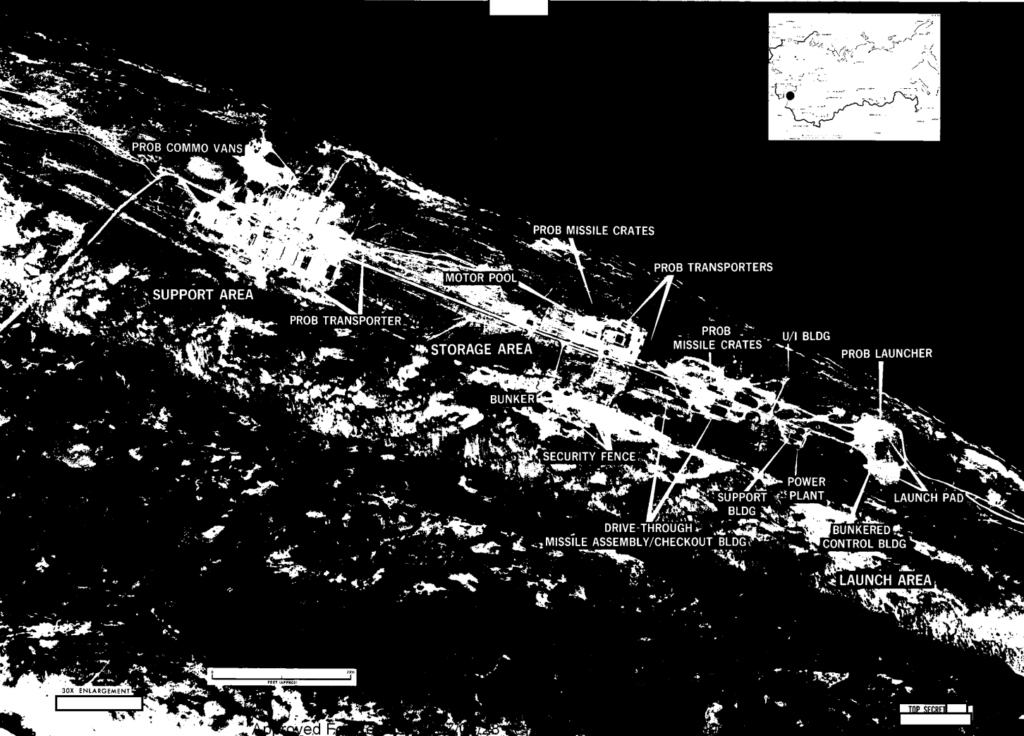
There isn’t a record of how many people died in the incident; the Soviet political machinery worked quickly to suppress it. What we do know is that almost all trees within an 8-mile radius died. Not long after, bulldozers arrived to unroot and destroy the dead forest, leaving nothing behind. According to declassified CIA documents, Soviet emigres compared the land around Kyshtym to the surface of the moon, a vast and barren landscape where trees and grass refused to grow.
No one wanted to go near the site, with authorities using a mix of threats, cash and lies to organize a cleanup. Political prisoners were offered shorter sentences in exchange for working on the cleanup. Few of them realized they were handling radioactive material. The site’s workers were plied with booze and told that alcohol would help absorb the radiation. It didn’t. In correspondence uncovered by the CIA, Soviet authorities referred to the prisoners as the “death brigades” due to the number that died from radiation sickness.
In the downwind cities of Sverdlovsk and Chelyabinsk, authorities ordered residents to hand over their food and shut down all grocery stores in the city, destroying all the milk and meat. When the smoke spread to the nearest city, Kamensk-Uralsky, mass hysteria broke out after residents began to contract a mysterious sickness. The Washington Post reported patients arriving at the hospital with the skin on their faces and hands sloughing off. The hospitals were full of thousands of patients suffering from radiation sickness. Doctors at the hospital forced pregnant women who arrived to have abortions so as not to pass on the radiation to their children.
Around the region, road signs appeared, telling motorists driving through the villages not to slow down, but to speed up. Across the countryside, enclosures fenced off giant mounds of radioactive topsoil, scrapped up and piled by the bulldozers. From the soil, commonplace plants were growing in distorted shapes and sizes. Scientists catching fish from the lakes almost two decades after the explosion found radioactive isotopes equivalent to 11 tons of radium, comparable only to levels found within nuclear reactors. Families as far away as Iran may have eaten birds contaminated in the blast. Soviet authorities would continue shooting migratory birds around Kyshtym to stop the spread of radiation as late as 1972.
The Mayak disaster was the result of just one plutonium waste tank exploding. Today, around 400 times that amount of high-level waste is sitting at the facility. And Mayak isn’t the only plutonium waste site in Russia. After the Soviet Union collapsed, nuclear facilities across the country fell into disrepair, plutonium reactors went offline, more waste was dumped and more accidents covered up. For years, their spilled waste remained mostly undisturbed, until now.
Russia is a hotspot for climate change. It is warming at nearly twice the rate of the rest of the world, and its dense forest and carbon-rich soil have become victims of increasingly intense wildfires — blazes that are creeping closer to Mayak and some of the dozens of other defunct nuclear sites in Russia, threatening to reignite radioactive compounds that have been dormant since the Cold War. In interviews with more than a dozen scientists, nuclear policymakers and radiation experts, New Lines heard how, despite the heightened risk, Russia’s understaffed and underexperienced fire service is faltering in the wake of the Ukraine war, leaving populations across Russia’s vast interior vulnerable to what could be a kind of compound disaster — atomic wildfires.
Russia is home to the world’s largest peatland. Before the 20th century, vast marshes covered its western half, dotted with migrating wolves, cranes and semiaquatic moles called desmans. Those peatlands lasted until Russia’s civil war, when Lenin decided to drain the swamps to burn the peat after the White Army cut off Moscow’s supply of fuel. Once Russia discovered how to exploit its vast reserves of oil and gas for electrification, the country forgot about peat, and the bogs remained dry. What had once been a massive, natural carbon sink had instead become an enormous bed of fuel for wildfires.
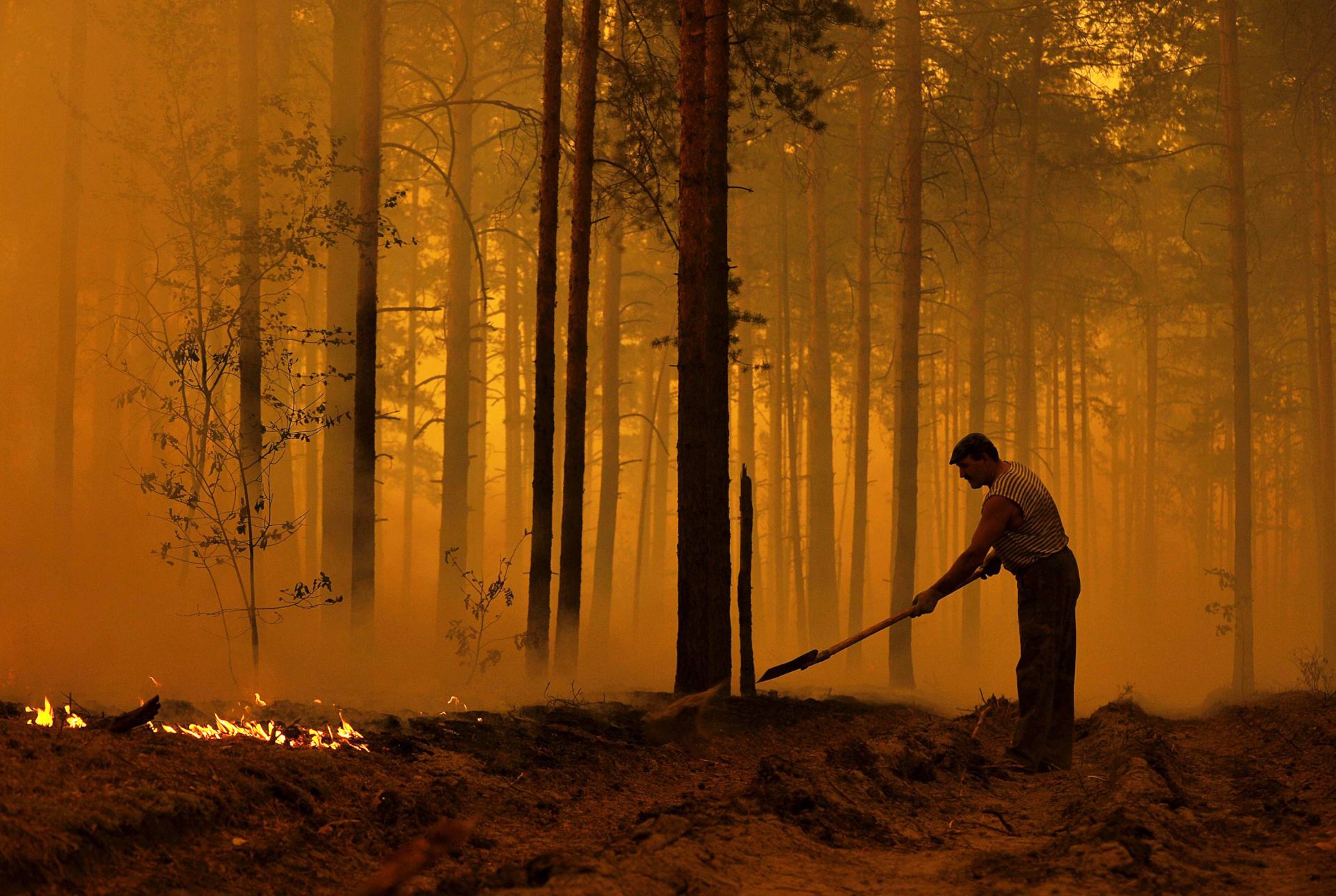
As a result, the fires that erupt in Russia are some of the largest on the planet. The ash clouds are so enormous they create their own storms, shooting out dry lightning while the rain evaporates before it touches the soil. The smokejumpers who parachute into the path of raging fires often have to ford freezing rivers and live in tents in the woods for months. They are tasked with protecting more than 1 billion acres of trees across 11 different time zones. When the wildfire season starts in the spring, this force spends grueling months digging trenches and fire lines, felling trees and moving rocks to try and prevent the blazes, then meeting them head-on when they inevitably arrive. They describe the air as so hot it’s impossible to breathe.
The blazes are being exacerbated by our warming planet. “Russia is sitting on a carbon bomb; this is a consequence of climate change,” says Johann Georg Goldammer, a forestry scientist who spoke at the State Duma, Russia’s lower house of parliament. He recommended rewetting the marsh, and Russia has made unprecedented moves in that direction.
In the 1980s, the Soviet Union boasted one of the largest and most experienced firefighting services in the world. The state wasn’t just equipped to fight fires, but also to protect the world’s largest nuclear arsenal and civilian nuclear program. Cuts following the fall of the USSR slashed firefighting ranks in half. President Vladimir Putin cut funding to the forestry service in 2006, expanding the amount of forested area each worker was responsible for overseeing, and putting more pressure on the remaining workers.
Russia’s diminished fire service focused its efforts on the infernos that engulfed eastern Russia’s thick boreal forests, treating the grass fires in the west as a lesser priority. That was until the peatland started to burn. In 2010, black plumes of smoke started reaching Moscow and other major cities, triggering a scandal and national inquiry that ultimately led to Greenpeace Russia stepping in to provide its own firefighting force.
Anton “Benny” Beneslavskiy, now wildfire prevention and suppression specialist for the London-based nongovernmental organization Pyrocene Alliance, was a part of the team that deployed to fight them. One day, they saw on satellite monitors that fires had spread to Bryansk, near Russia’s border with Ukraine — and part of the area that was contaminated by the Chernobyl disaster.
When Beneslavskiy and the rest of the firefighters arrived, they found themselves looking into a pit filled with brown embers. It didn’t look like an ordinary fire. ‘‘It’s a kind of stinky hole in the ground,” Beneslavskiy said over a video call. “Low smoke, no flames.”
Firefighters facing radioactive material are supposed to be equipped with dustproof overalls and gas masks with face protection, to stop them breathing in radioactive particles. Beneslavskiy’s team was joined in Bryansk by firefighters sent by the Russian Ministry of Emergency who came with nothing but their usual kit. “We arrived and saw these guys working on a protective peatland, radiation monitors singing, without any masks,” says Beneslavskiy. “Bosses were not taking any care of the crewmen.”
Greenpeace Russia’s group shared what little protective equipment they had. But many of the local firefighters hadn’t received any training or even been told about the radiation. When they were done putting out the Bryansk fires, Beneslavskiy’s group packed all the equipment they’d used into bags, and tossed them into the burning peatland. “That’s the protocol. You just leave them there, so as not to let it spread,” he says. But the local firefighters packed up their gear and got in their cars to head home, possibly carrying the radioactive particles with them on their cars, or their equipment, just as the workers had done after the Kyshtym disaster.
While the Russian firefighters managed to contain the blaze from burning through all the Chernobyl-contaminated peatland on their side of the border, there was little they could do about fires erupting on the Ukrainian side of the contamination zone, where the majority of the radiation from the 1986 blast lies.
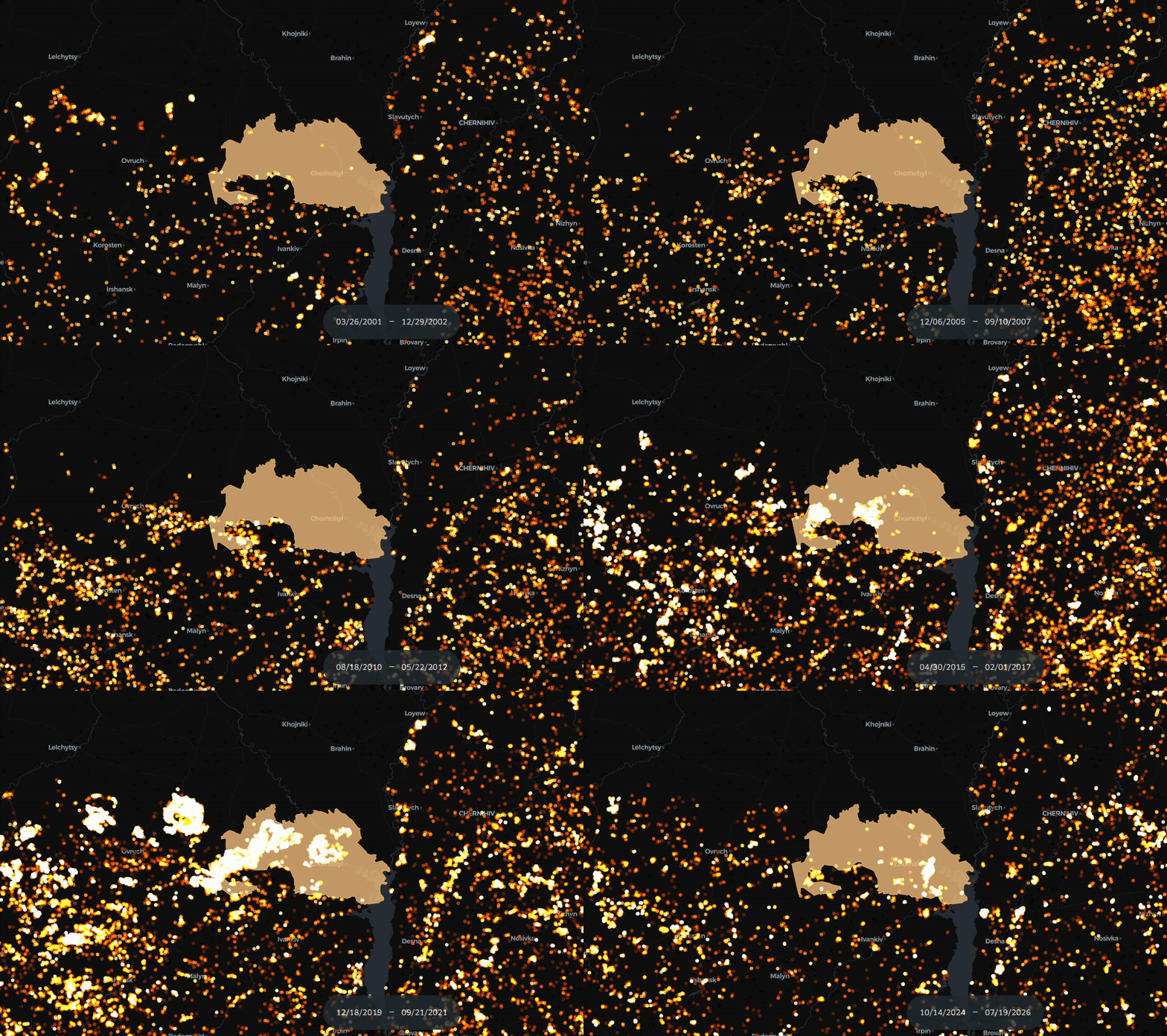
The Chernobyl disaster began with the explosion of one of the nuclear plant’s reactors, which spewed 60 pounds of radioactive material into the atmosphere, most of which decayed into cesium-137. Some of it settled on the surrounding soil and forests, spreading fallout over nearly 2 million acres across Ukraine, Belarus and Russia. The ionizing radiation destroyed the green chlorophyll in the plants, discoloring the foliage and giving the area around the plant a new name: the Red Forest.
The cesium-137 is still there at Chernobyl, trapped within Ukraine’s forests and soil. In 2020, what had begun as a small grass fire near the exclusion zone erupted into a wildfire. As the flames reached the exclusion zone, radioactive particles from the disaster began to spread through the wildfire smoke, and dispersed across Europe. Fires burned through the radioactive forest and abandoned fields, consuming an area twice the size of Paris. Radiation shot up to 16 times the normal levels and reached people living as far away as Belgium and the Netherlands.
In May 2026, when a drone, allegedly from Russia, crashed in the exclusion zone, Chernobyl burned again. It’s too early to say how far the cesium reached. Monitors in Canada have detected the same kinds of particles left behind from the detonation of nuclear bombs during Cold War tests. By now, they’ve reached almost everywhere in the world.
Exactly how much danger the cesium poses to our health from atomic wildfires isn’t clear. In a worst-case scenario, where almost all radiation is rereleased, the cancer rates would likely be on the level of Japan’s Fukushima, site of a 2011 nuclear disaster, according to one study published by the Laboratory for Climate and Environmental Sciences. Most of the scientific literature doesn’t attribute any significant health risks to the cesium that travels beyond the immediate area of a wildfire, but exactly what levels of radiation are dangerous to human health is hotly debated. “That’s the problem with epidemiology in a nutshell. If you average across a large enough group of people, then sure, it becomes background,” says Sonja Schmid, a professor at Virginia Tech who conducted research on Chernobyl. “But if you look at the firefighters working in the Chernobyl exclusion zone, then you are dealing with much higher levels.”
When wildfires reach radioactive spots, the cesium can spread through the smoke and be lifted on hot air, landing on crops or animal feed. Two years after the 2020 Chernobyl fire, scientists tested the water in Ukraine’s Sakhan River and found high concentrations of strontium-90, a radioactive compound spread by wildfire ash. Over time, it can accumulate in rivers and streams, contaminating the drinking water. “Isotopes like plutonium have thousands of years of half life. They stick around. And if some organism ingests it, and gets eaten by another one,” says Schmid, “it gets passed up the food chain.”
After Russia’s full-scale invasion of Ukraine in 2022, Putin’s conscription drive displaced many young men who migrated out of the country. Since the war began, Russian casualties have soared above 1 million, according to estimates from the British Ministry of Defence. Many of those young men could be potential firefighters.
At the start of 2026, the head of the Federal Fire Service announced it was short more than one-third of its personnel — 90,000 firefighters. With an emphasis on recruitment to the war effort, replenishing those numbers any time soon looks unlikely.
As shortages of firefighters worsen, emergency services are having to spread their resources thin. “With the war and budget spending on aggression against Ukraine, there is a very complicated situation for firefighters,” said Beneslavskiy, speaking of his former colleagues in the fire service.
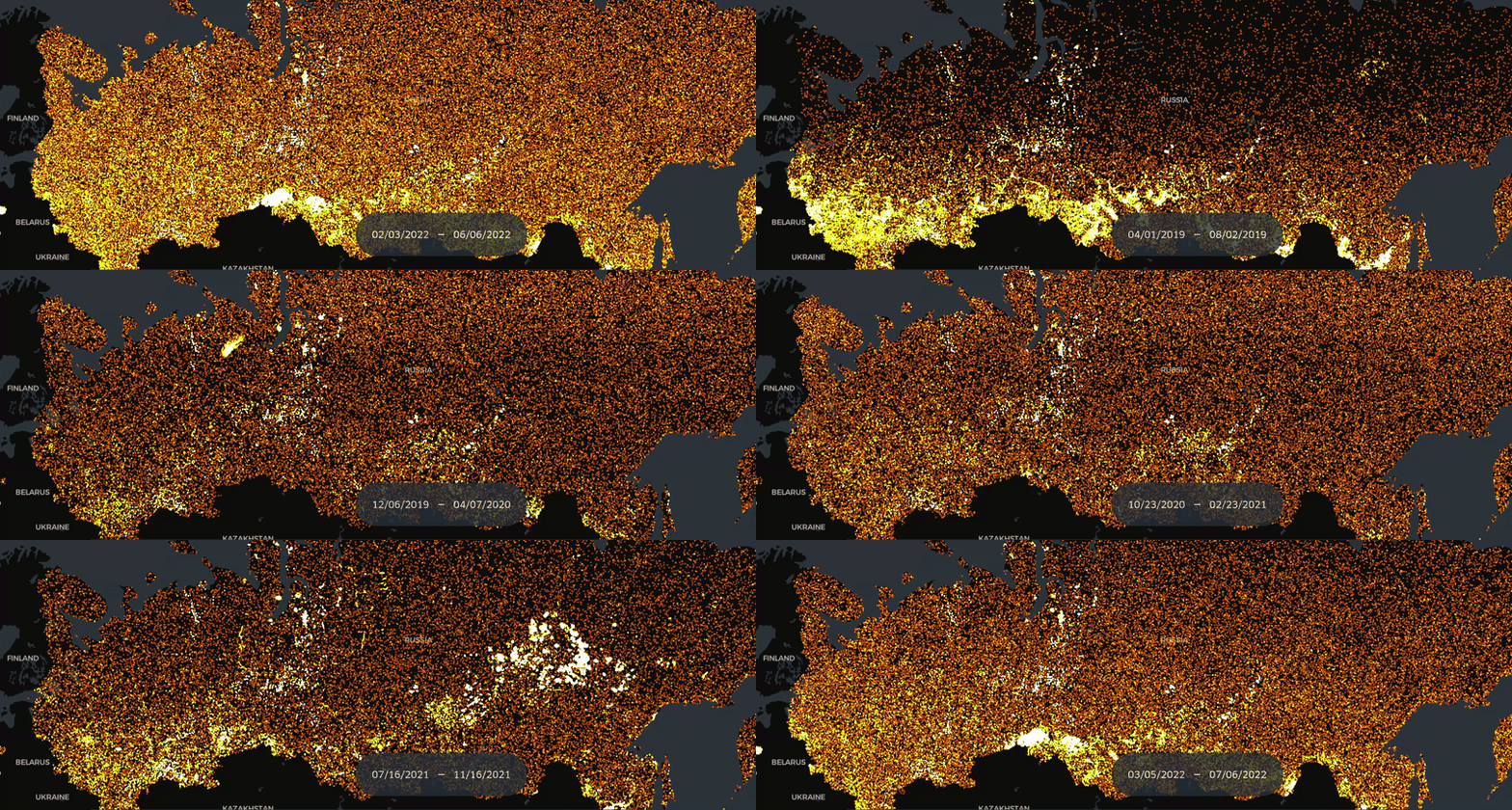
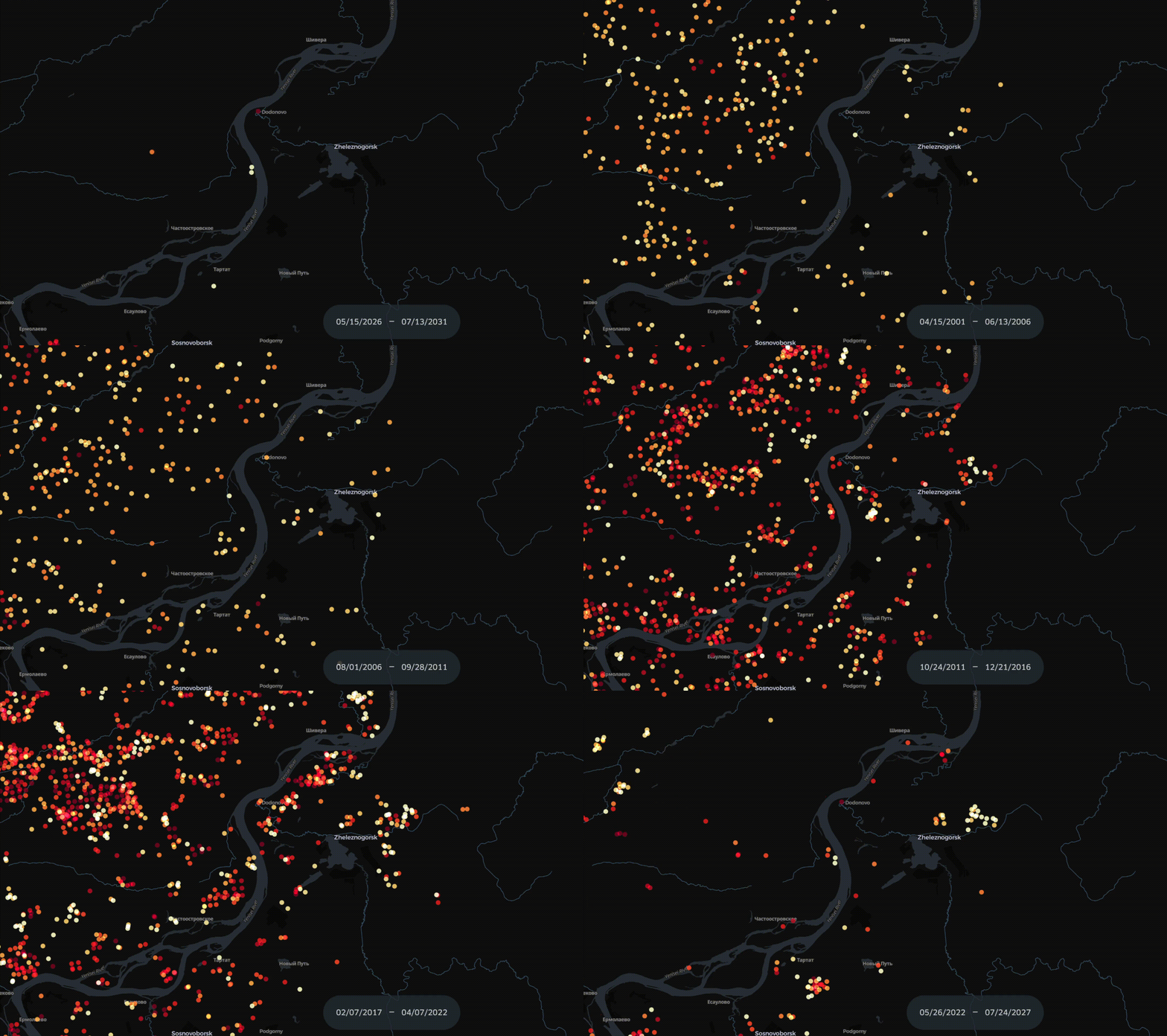
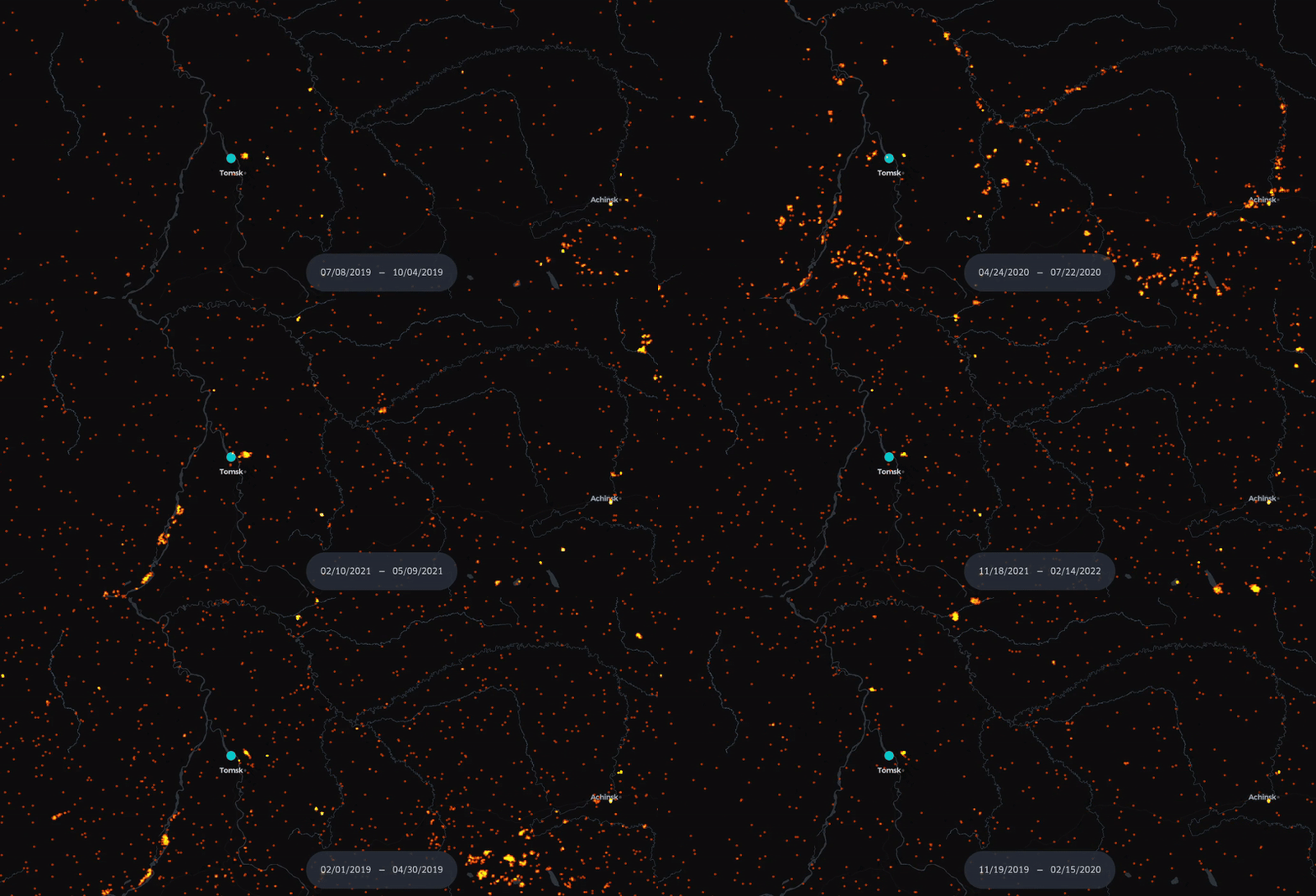
Still, the fires keep coming. An analysis of data available from 2002-2026 shows wildfires encroaching on at least three plutonium waste facilities in Russia, as well as several nuclear plants, though getting near to a plant does not mean an atomic accident is guaranteed to happen.
“A nuclear facility has many complementary and supplementary components that contribute to its safety,” says Pieter De Meutter, a scientist at the Belgian Nuclear Research Center. “A wildfire could destroy some of these components needed for the safety, or safety backup, of a nuclear installation.” If they’re designed properly, nuclear missiles don’t detonate when a wildfire reaches them, and most nuclear plants are today equipped with automatic tripping mechanisms if power is lost, as could happen during a wildfire. The greater risk is to facilities holding waste that needs to be actively cooled with water to prevent radioactive chemicals dispersing into the atmosphere.
Wildfires aren’t the only threat. As the front line of the Ukraine war expands, more nuclear facilities are coming within missile range. Ukraine has begun launching long-range drones into the Urals, striking the city of Chelyabinsk less than 62 miles from the stored plutonium waste, although there’s no evidence the Ukrainian military is deliberately targeting nuclear facilities. Neither the Ukrainian Ministry of Defense nor the armed forces responded to a request for comment.
It isn’t just Soviet-era radioactive waste that is causing the crisis. Russia is discharging spent nuclear fuel far faster than it can reprocess it. Data from the International Atomic Energy Agency show that plutonium held in spent fuel roughly doubled over the past two decades in Russia, to about 275 tons. Engineers usually try to recover some of the uranium and plutonium for future use, leaving behind a hot, acidic and radioactive bath. In Russia, most of the spent uranium and plutonium fuel is left to cool at Zheleznogorsk, the “Iron City” of Siberia which is still closed off from visitors. The spent fuel is awaiting a reprocessing plant that was proposed in 1977 but remains unfinished four decades later because of local opposition and funding issues.
Bellona, a Norway-based NGO, reported in 2001 that company officials had admitted to dumping radioactive materials in the nearby Yenisey River. Wildfires burned through 400 hectares of the nuclear town in 2017, but because the nuclear waste is stored in caverns buried within the granite mountain at the northern edge of the city, the fires appear not to have reached it. “All details about the fires are in Moscow, as Zheleznogorsk is a closed city and it doesn’t report to us,” the local Ministry of Emergencies told a Russian journalist who asked about the fires.
Another complex is Tomsk-7, a successor of Mayak which holds waste tanks from over 50 years of plutonium production. Approximately 30 nuclear accidents have happened at Tomsk, according to the peacekeeping organization International Physicians for the Prevention of Nuclear War. In one incident, workers were cleaning a tank with nitric acid when it exploded, dispersing radioactivity over 75 square miles and exposing thousands to ionizing radiation. Wildfires crept to the edge of its facilities in 2019. Satellites spotted fires burning up and down the river near Tomsk, which also served as a dumping ground for plutonium waste.
Although the plutonium waste at Tomsk and Zheleznogorsk is radioactive, it’s relatively low-level compared with the waste stored at Mayak. After the disaster, Mayak kept producing high-level waste. It began accepting nuclear material from other nations, accumulating a growing backlog. The waste sitting at the facility is some of the most toxic ever manufactured in human history, more than 100,000 times more radioactive than ordinary nuclear waste. Rosatom reports holding about 14 Olympic swimming pools full of it, according to IAEA documents. Mayak has plans to eventually turn all the waste into glass, but its timeline is uncertain.
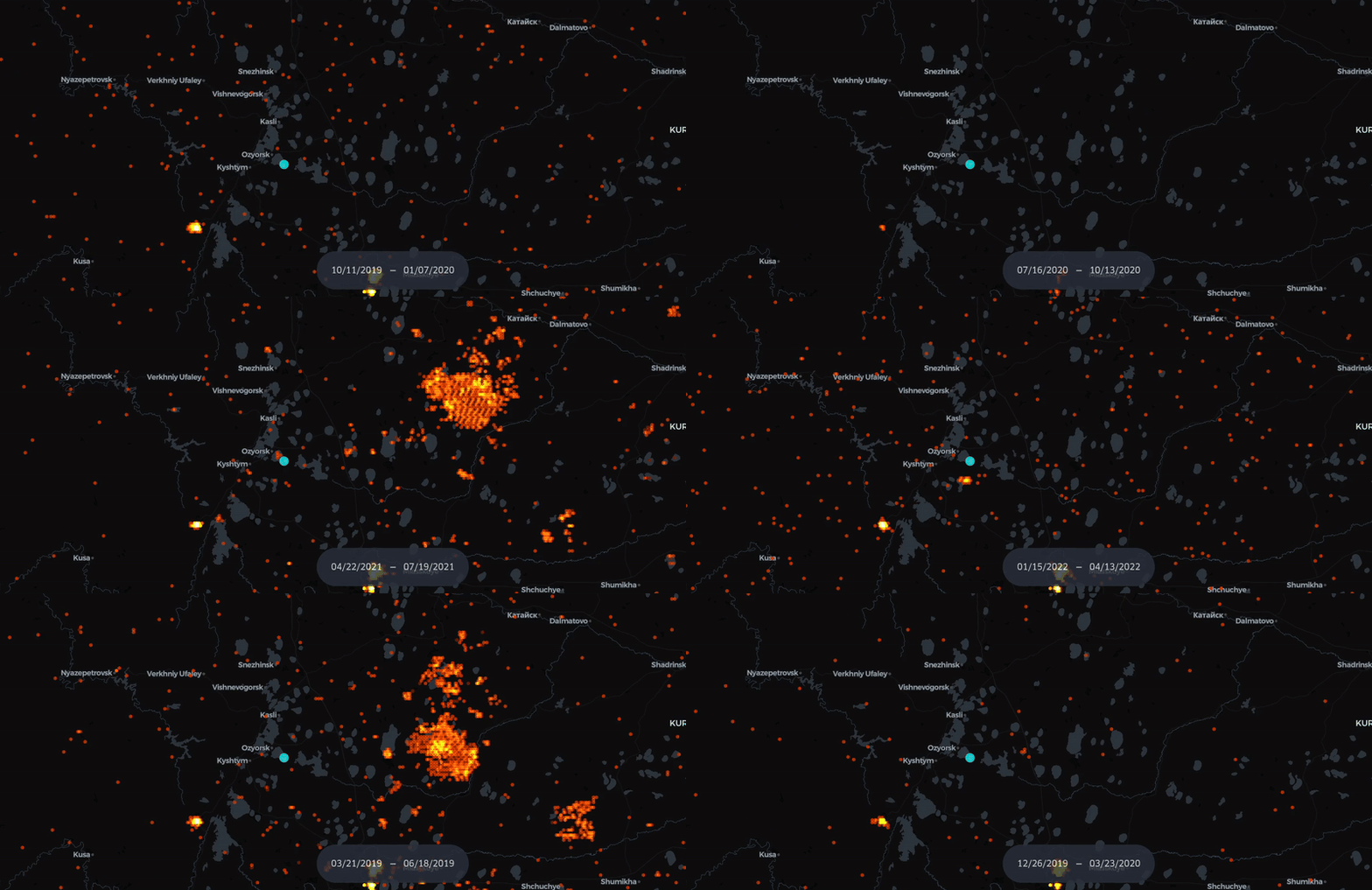
In 2021, the Ozyorsk area declared a state of emergency as flames started creeping close to the nuclear facilities, moving as fast as 492 feet per minute, with officials cutting fire breaks around the site. Some scientists said that dedicated fire units would have time to react if fires reached the plutonium waste, but all agreed that vigilance was necessary to prevent another accident. “That’s the problem with nuclear energy. You can’t just walk away,” says Schmid. “And the Russians know that.”
Across Russia, the risk of another nuclear disaster is always looming. If it does strike, the country’s beleaguered emergency services would once again be the last line of defense against disaster. After the end of my call with Beneslavskiy, a tagline appeared under his WhatsApp image. In the photo, he’s wearing a firefighting helmet, covered in soot and grime.
“All firefighters go to heaven,” it reads. “They had enough hell in their life.”
Become a member today to receive access to all our paywalled essays and the best of New Lines delivered to your inbox through our newsletters.