

Chahrazade Douah
Chahrazade Douah is a French-Algerian freelance journalist and researcher living in Granada, Spain. Her reporting has appeared in outlets like The Guardian, BBC and Time Magazine. In 2023, she was awarded the Royal Geographical Society’s “Journey of a Lifetime” award to retrace the little-known story of Algerian anti-colonial fighters exiled to New Caledonia for BBC Radio 4.
Latest from Chahrazade Douah
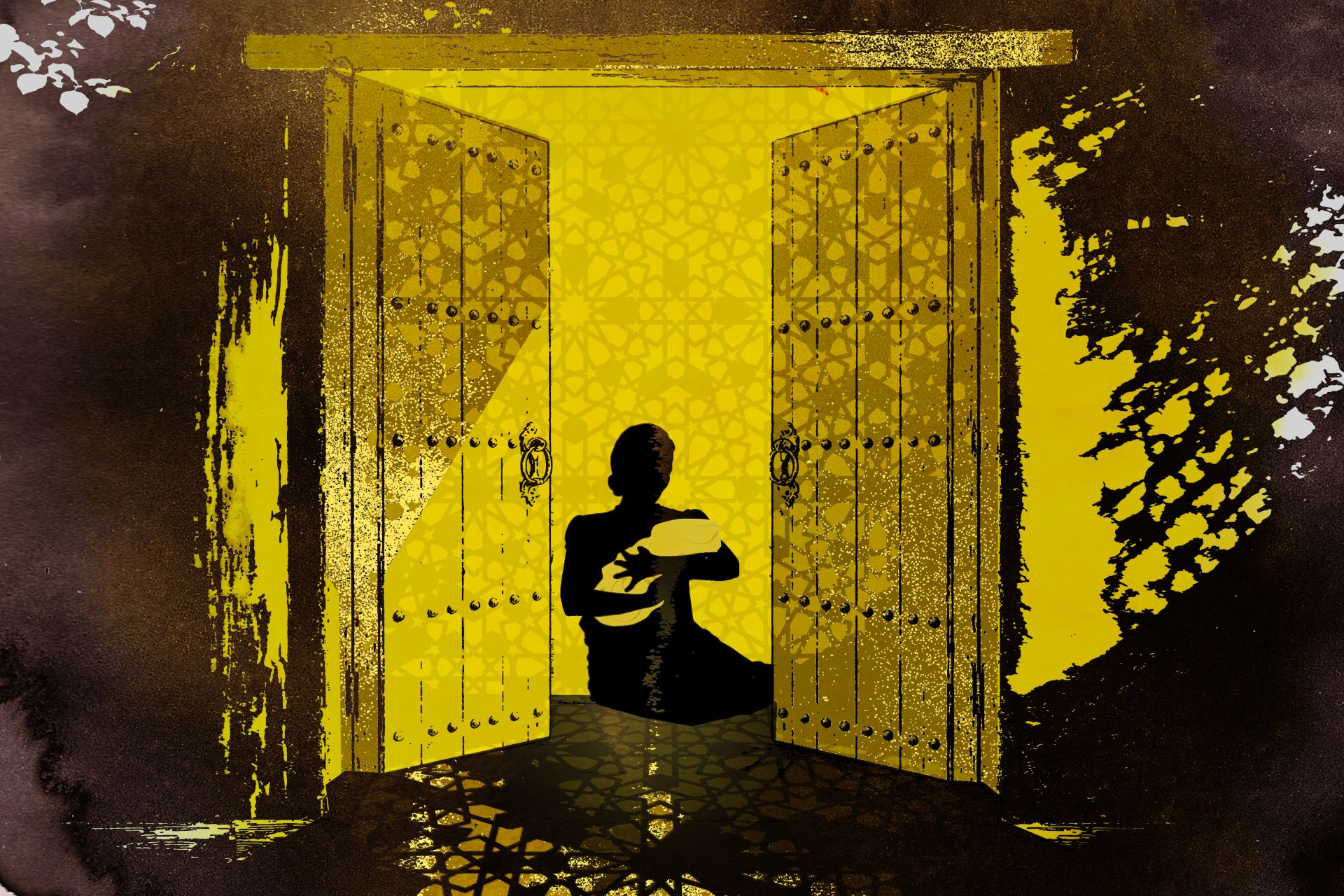
The Living Fragments of Al-Andalus
A growing movement in Spain’s Andalusia argues that everyday gestures and half-remembered prayers are the unwritten remnants of Muslim Iberia, and an answer to the far right’s narratives about national identity.
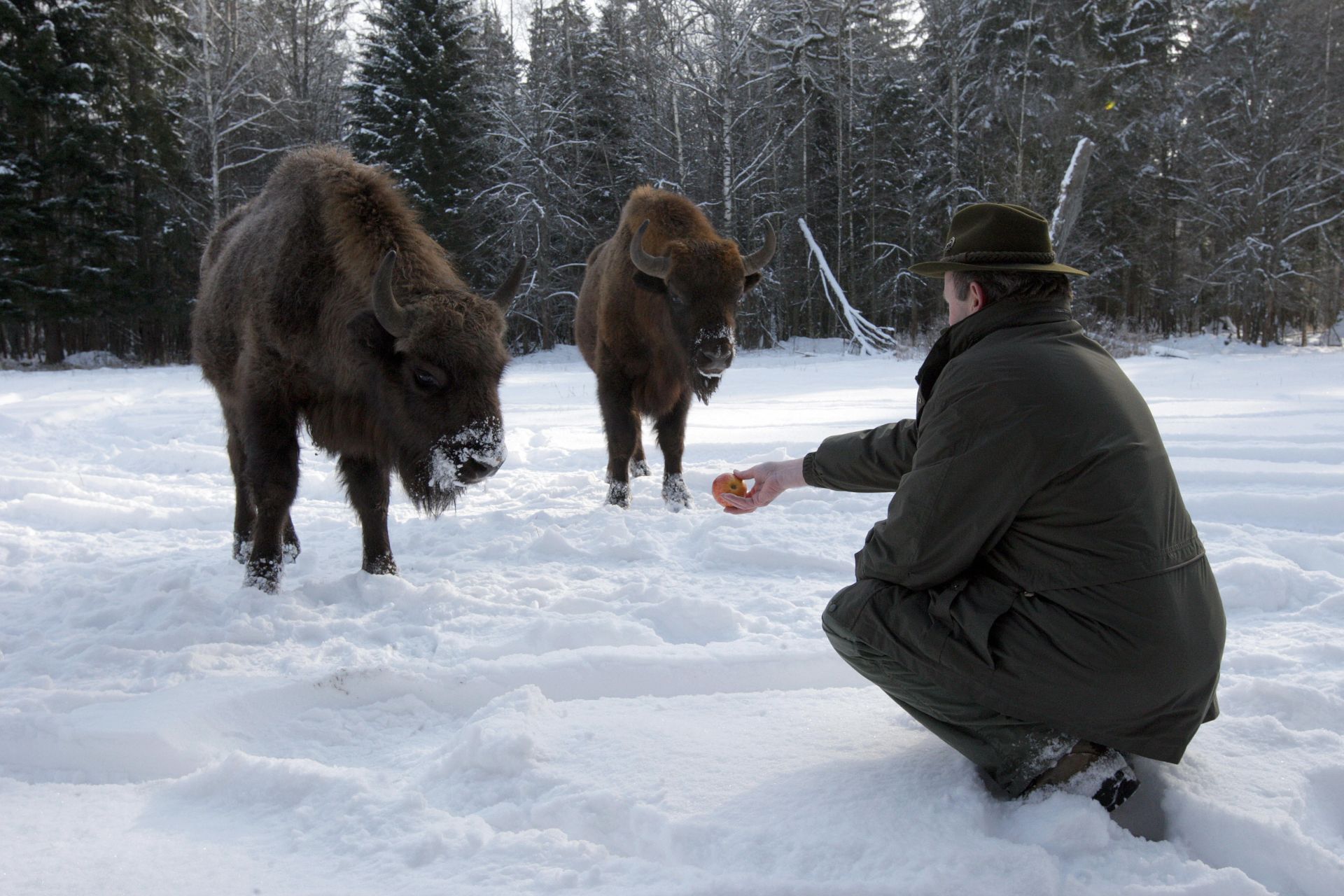
Learning How To Live With Poland’s Bison
Poland’s bison are both a conservation triumph and a cautionary tale. From just 12 surviving individuals to over 12,000 within a century, the recovery is one of the most remarkable achievements in modern wildlife preservation. But success has created new challenges.
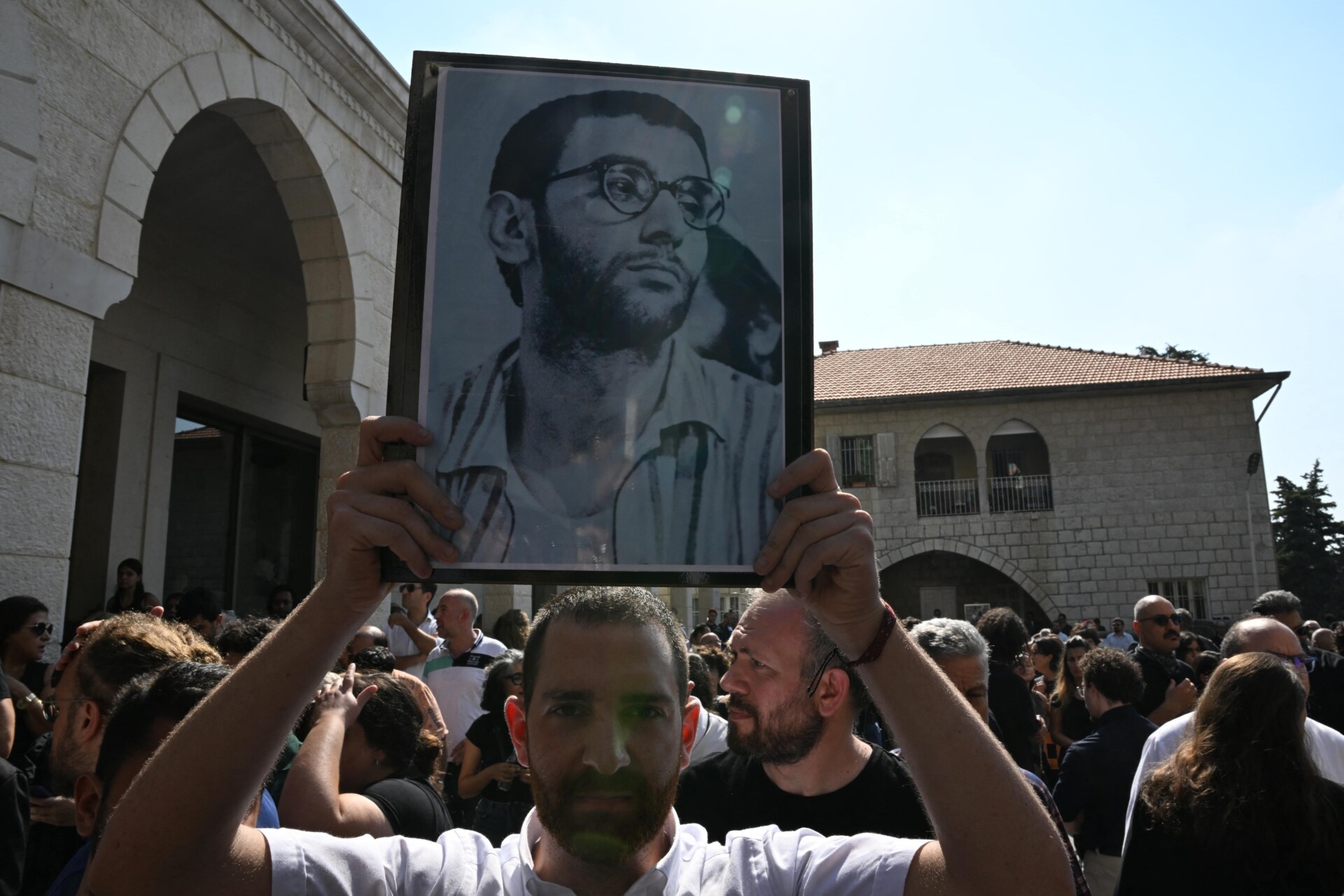
The Ziad Rahbani Generation
Ziad Rahbani, the recently deceased Lebanese composer and playwright, greatly influenced Arab culture and identity through his unique blend of satirical commentary and musical innovation, shaping how the region was understood.
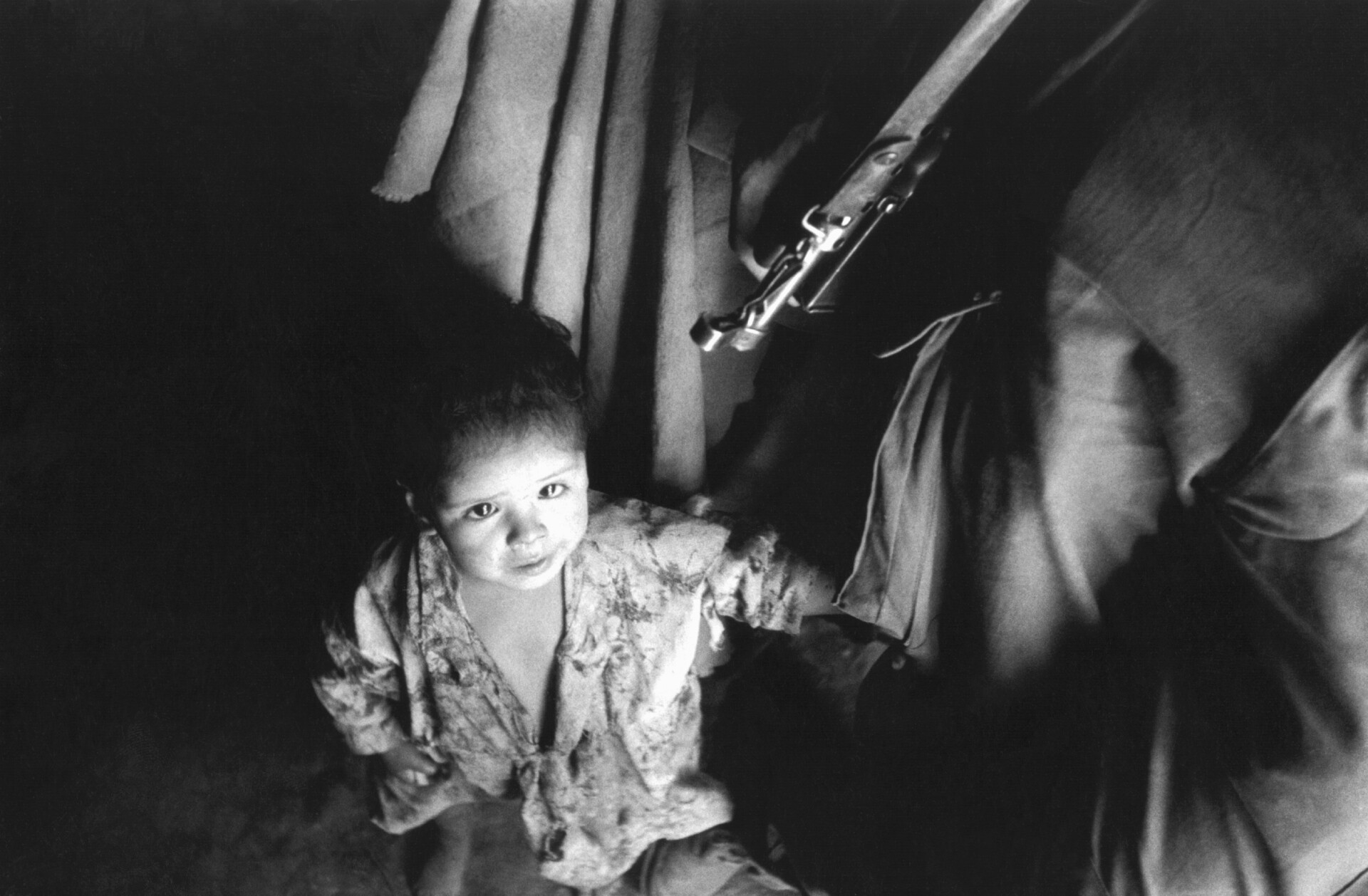
The French Soldiers Who Disobeyed Orders in Algeria
The atrocities committed by the French army are still rarely publicly acknowledged in France today. Even less discussed are those within the military’s ranks who, confronted with these horrors, defied orders, refused to participate or supported the Algerians.
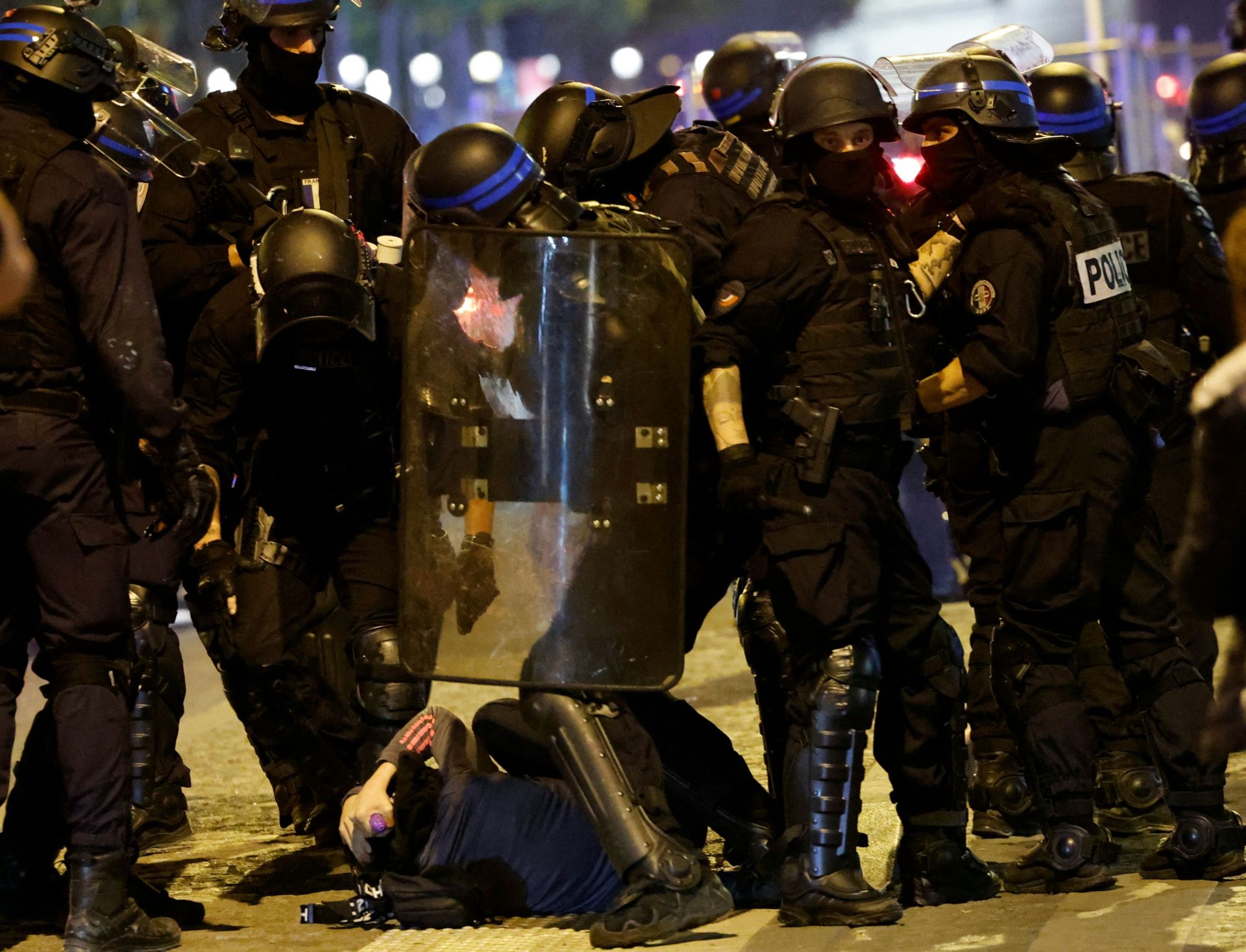
The Roots of France’s Riots
“We know it is the only way to get heard, the only way the media will talk about us, our anger. And don’t be mistaken, we weren’t just Arabs and Black kids; there were many others with us,” he said. In Mulhouse, in eastern France, young men shared the same conclusions. “It’s our revolt,” said Mehdi. “And if nothing changes, we will carry on, we have no other way, we are fed up.”
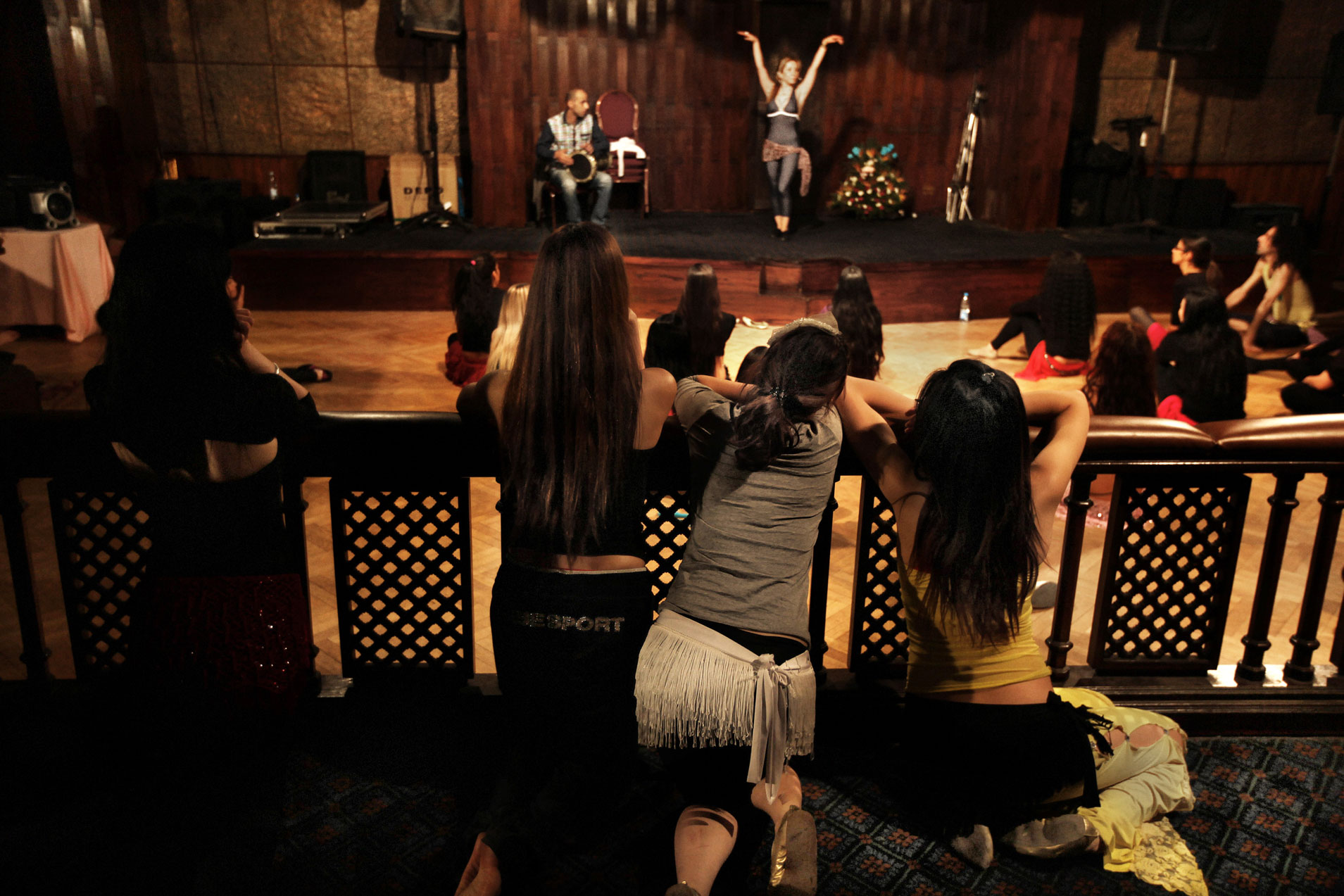
In Egypt, Foreigners Dominate Belly Dancing
Foreign belly dancers, who hail from Eastern Europe, Latin America and the United States, were brought in to fill the space left by Egyptian dancers and now uphold what is viewed as a quintessential Egyptian art.
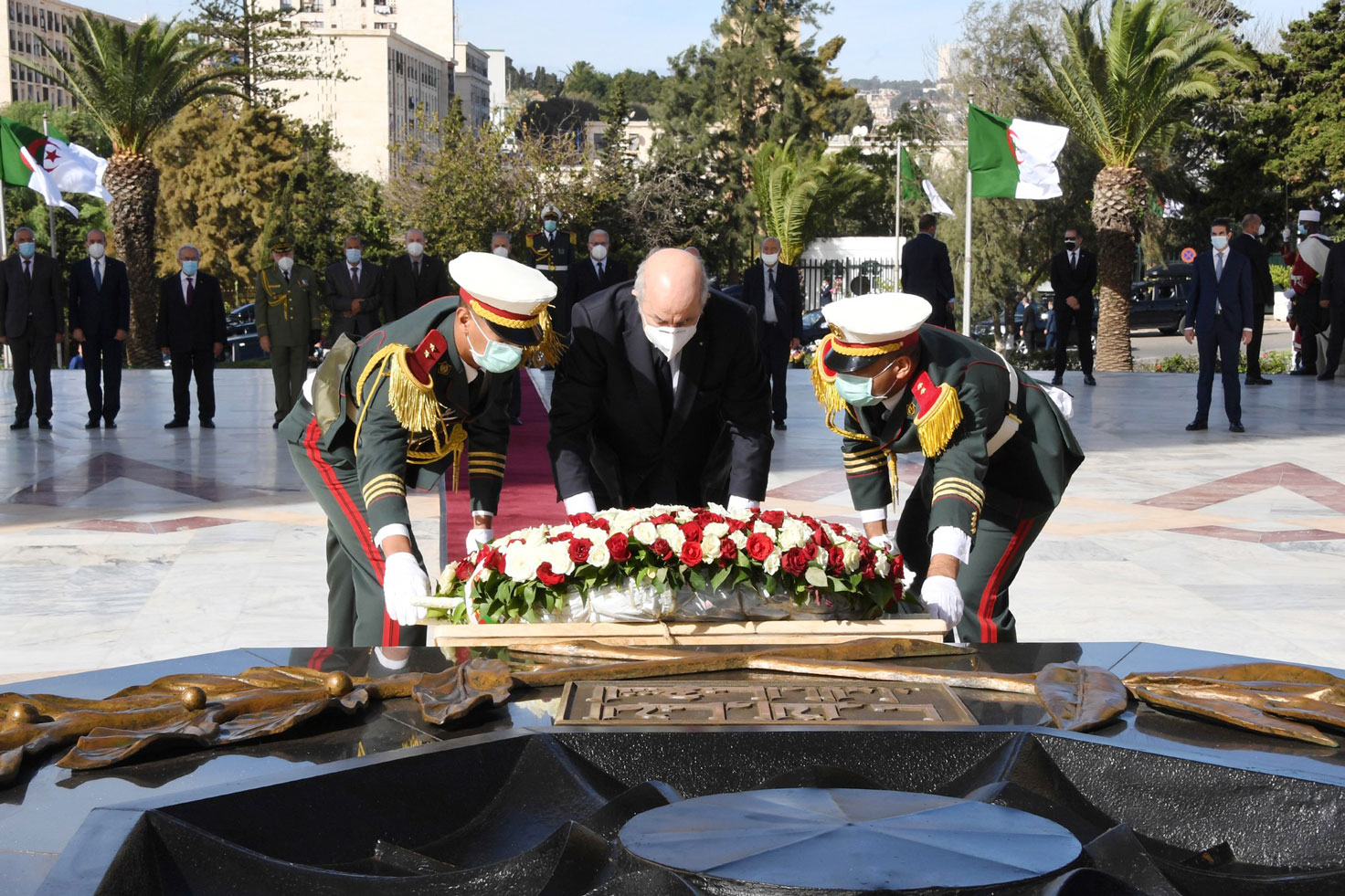
The Algerians of New Caledonia
Over 2,000 insurgents, among them leaders of the revolt, faced trial in Constantine, Algeria, where they were presented not as anti-colonial leaders but as petty criminals. Because most of the men hailed from noble families, however, the French were wary of sentencing them to death. Instead, they decided to exile the men to the farthest place imaginable: New Caledonia.