

Prison
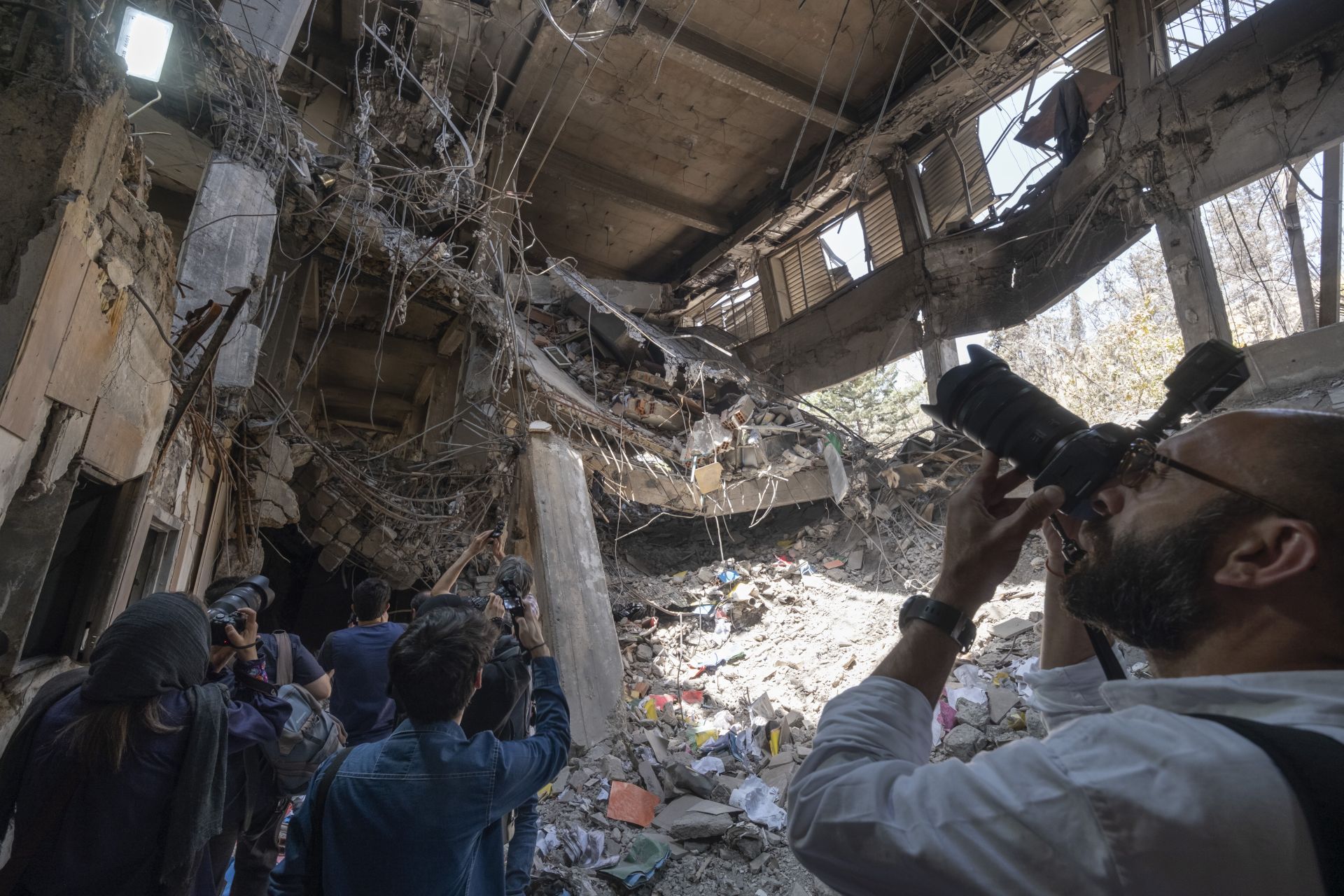
Whose Anti-Imperialism?
An open letter in solidarity with Iran’s political prisoners drew vitriolic condemnation from parts of the anti-imperialist left. Yet much of the criticism the signatories faced was either mistaken or myopic.
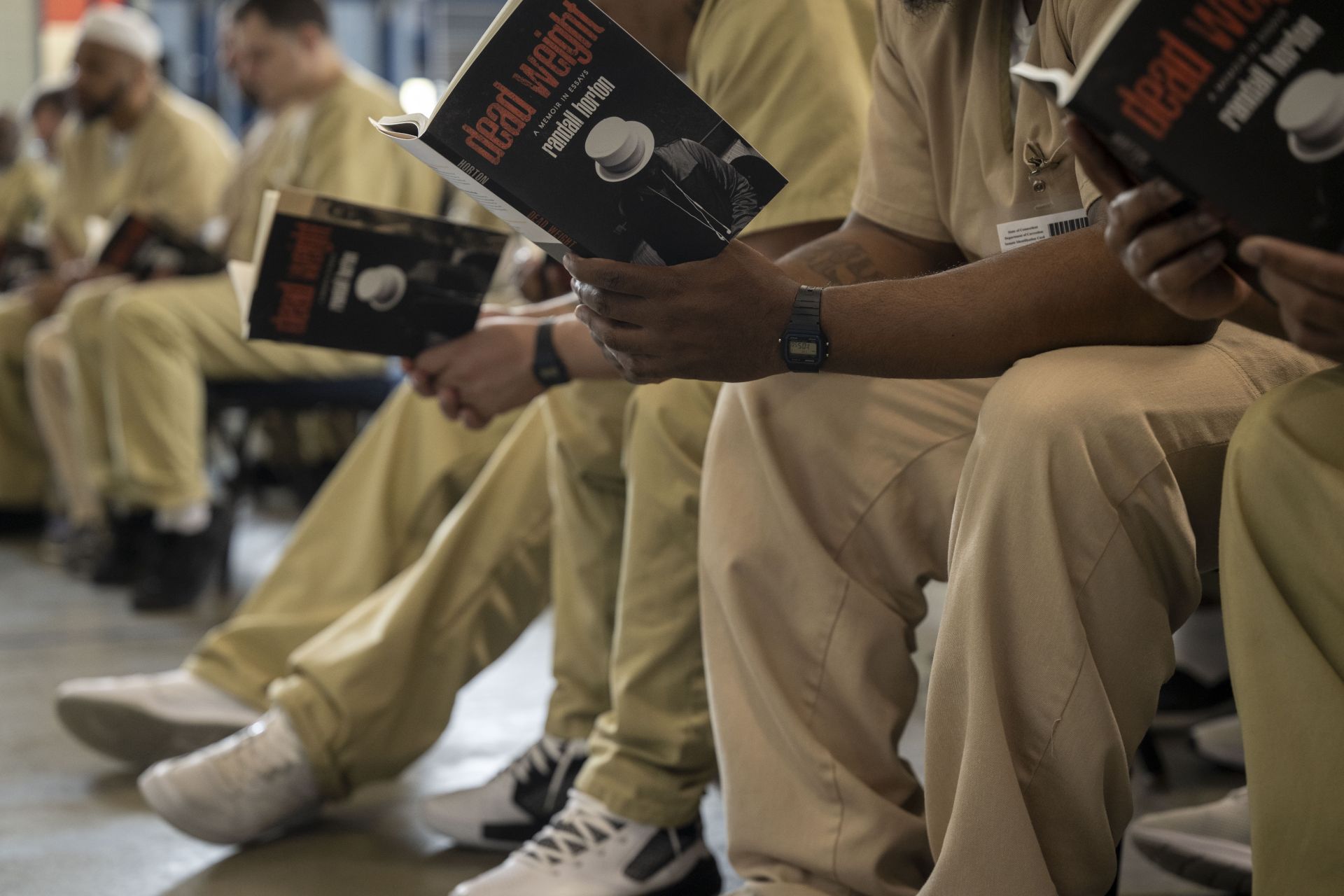
A Novel Idea
Federal penitentiaries would not say how many books they hold, so a biographer of Malcolm X spent months assembling the count himself from handbooks, emails and a prison messaging service.
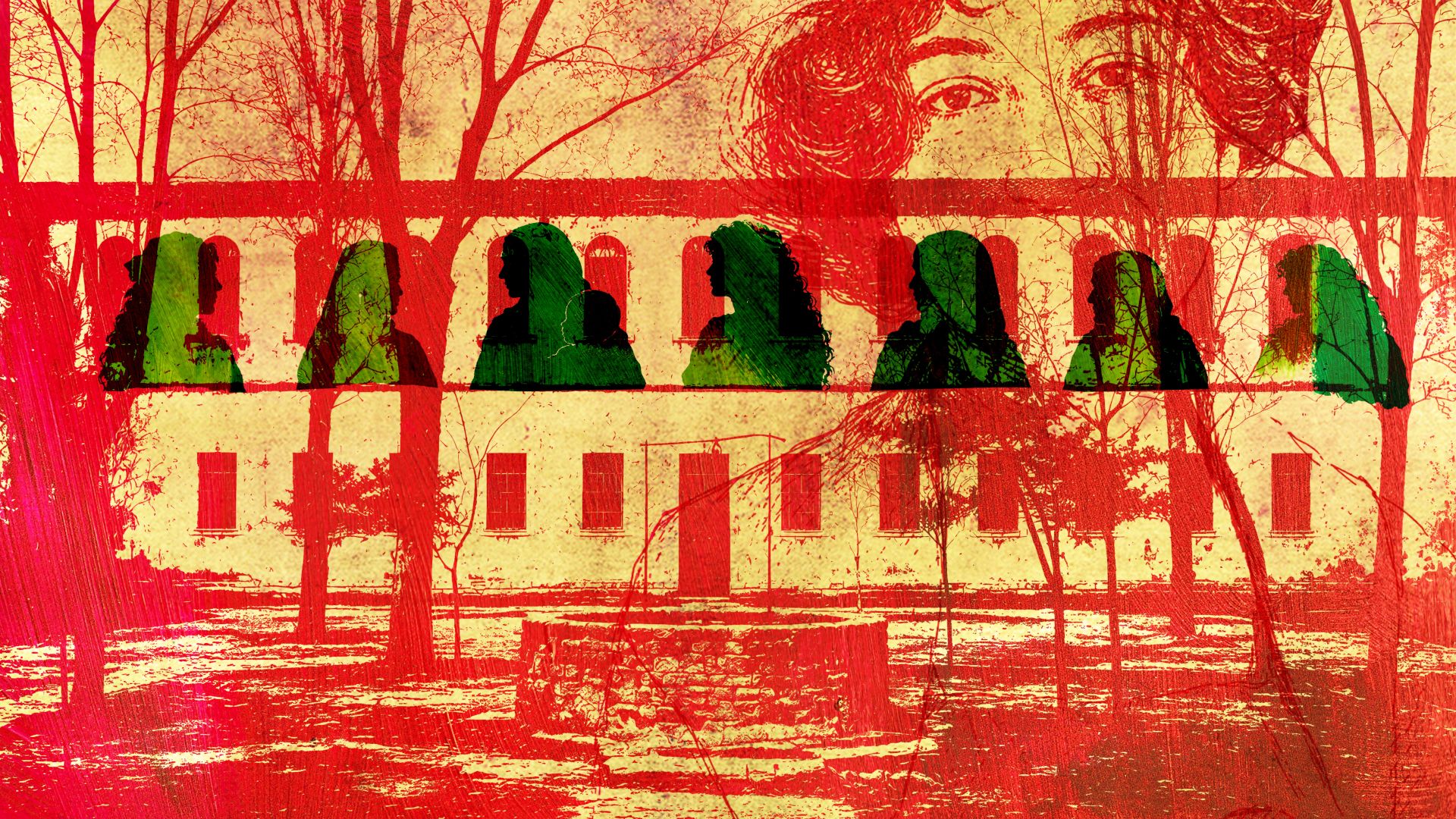
Watching the Last Years of the Ottoman Empire From an Istanbul Jail
In 1915, a 20-year-old named Vartuhi Kalantar was unjustly jailed in Istanbul for promoting Armenian independence. Her prison memoir, the first by a woman in the Middle East and a fascinating window into the dying days of the Ottoman Empire, has now been translated into English.
Hopelessness and Love in an Israeli Prison
In his prison memoir, Nasser Abu Srour writes in a long tradition of incarcerated authors left only with their thoughts and words as vestiges of their autonomy. Now free from confinement, he has a new challenge on his hands: how to make meaning of his new life in exile.
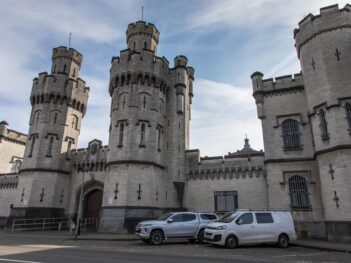
Belgium’s Broken Prisons
Belgium’s prisons are in crisis. Hard-line policies, crumbling infrastructure and staff shortages have made them overcrowded holding pens — not just for criminals but for the poor, the undocumented and the mentally ill. The crisis continues despite civil society efforts, guards-turned-whistleblowers, extreme violence exposed on TikTok and government promises.
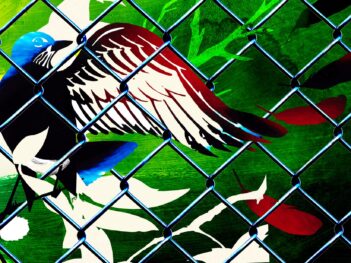
Kurdish Musician Hozan Cane Recalls Her Political Imprisonment in Turkey
In 2018, Kurdish musician Hozan Cane traveled from her home in Germany to northwestern Turkey to sing for a pro-Kurdish election campaign. The Turkish authorities swiftly arrested and imprisoned her on trumped-up charges. Her ordeal encapsulates a worrying trend in the country, where human rights abuses are on the rise.
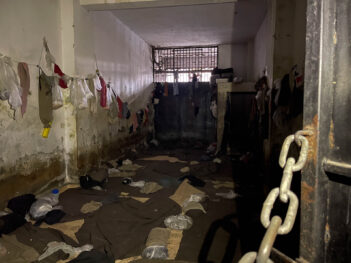
The Cruelty and Chaos of Damascus’ Palestine Branch
Following the shock overthrow of the Bashar al-Assad regime, thousands of prisoners allegedly fled Damascus’ Palestine Branch prison, as they had from other massive prisons such as Sednaya. The chaos that remains reveals the regime’s brutality and leaves many chasing rumors in a search for survivors.