

Middle East
Peace Without Trust
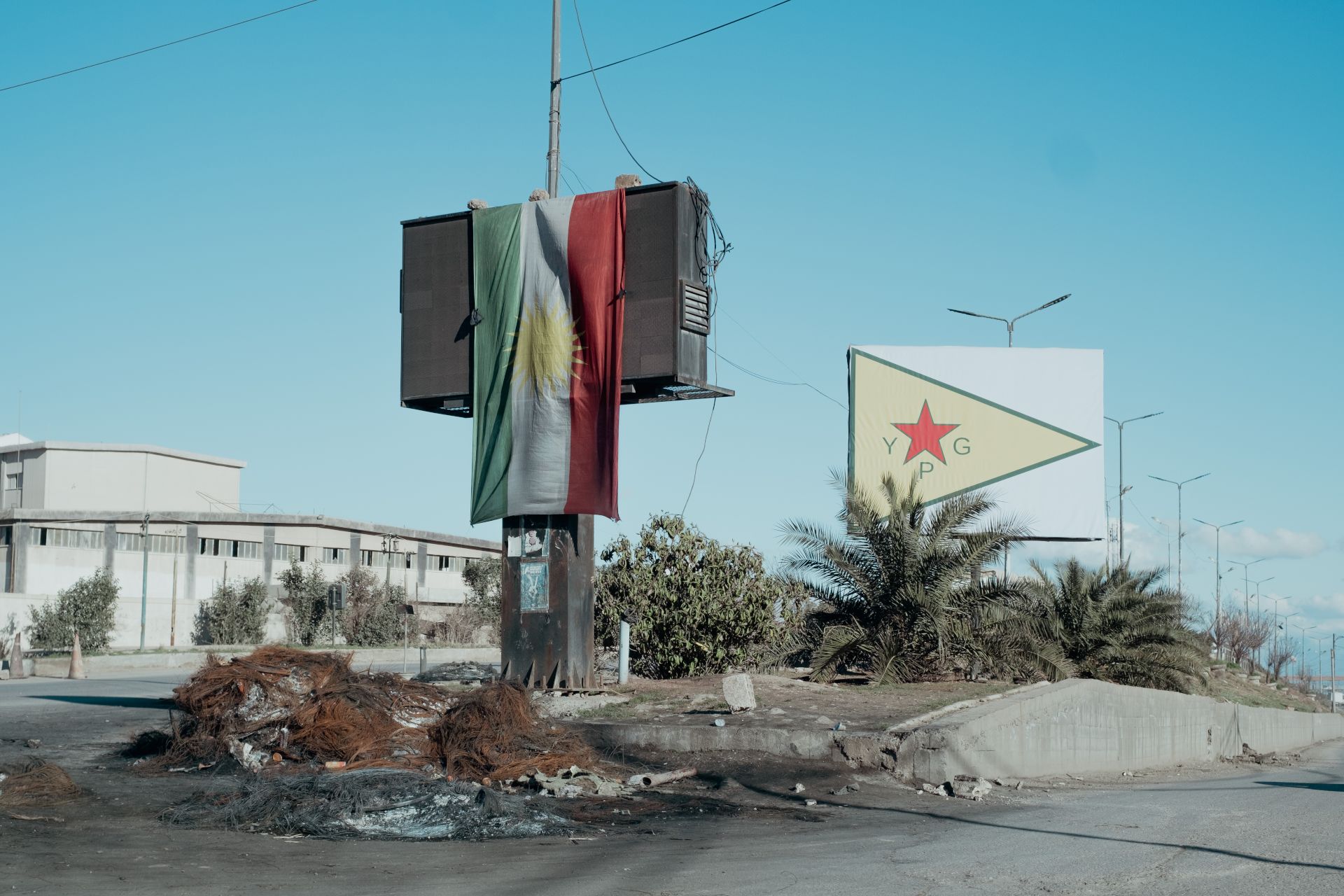
A deal between Damascus and the Syrian Democratic Forces that will end Kurdish self-rule in northeastern Syria is moving forward. But mistrust runs deep, and many SDF fighters reject integration, while civilians, worn down by war, hope for stability but fear what unification could bring.
Saudi Arabia’s Regional Recalculations
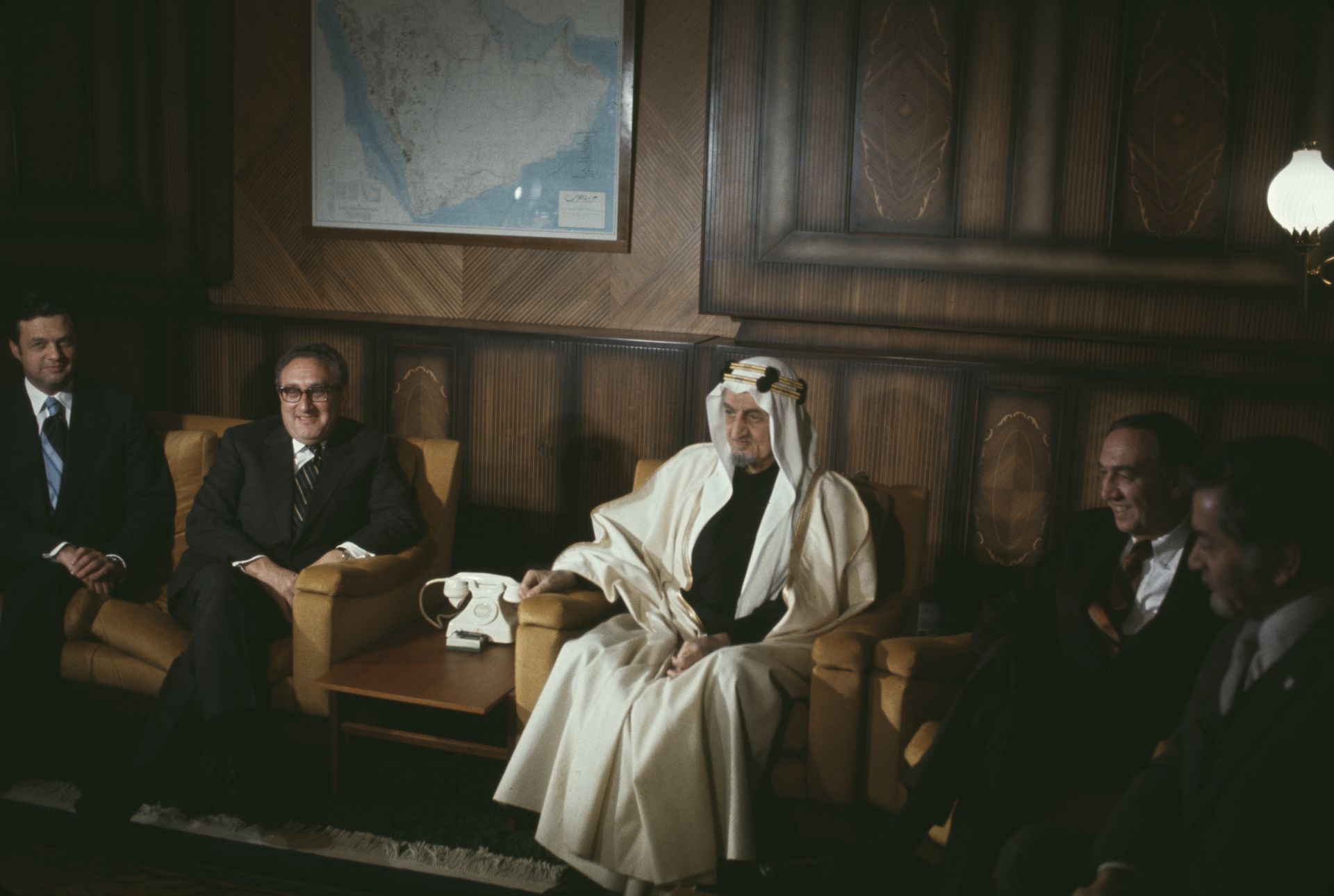
After decades of shifting alliances that failed to deliver stability, Saudi Arabia now has a “zero-conflict” policy toward its neighbors. It is this, rather than a turn to Islamism, that is paradoxically creating tension with the United Arab Emirates and Israel.
The Unruly History That Weighs on the New Syria
The challenges facing Syria today are connected to three previous beginnings: the fall of the Ottoman Empire at the end of World War I, independence in 1946 after World War II and the fall of European colonial empires, and the birth of Hafez al-Assad’s regime in 1970.

For Israelis, the Ceasefire Is Only About the Hostages
Israelis are euphoric over the ceasefire in Gaza because it means the hostages will come home. The liberals see this as proof that their mass protests worked and that they still have influence. They have already forgotten the war, and there is no reckoning with its cost to Palestinians.

The Israeli Left Is Not Going To Save Gaza
An open letter to President Trump from over 600 retired Israeli military and intelligence officials demanding an end to the war in Gaza made global headlines. Yet inside Israel, the letter barely registered as news and will have no policy impact.

The Psychological Barrier Broken by Iran and Israel’s Missile Exchange
The latest exchanges of missiles between Israel and Iran have broken a long-standing psychological barrier in the Middle East, and are being viewed by states in the region with profound ambivalence. With deterrence fading, what follows may be more volatile still.

The Left-Wing Activists Who Want to Change American Politics
The Democratic Socialists of America hope to parlay the latest “Trump bump” into a national movement, and maybe even launch a viable alternative party. But the organization faces serious challenges — both ideological and practical — that may hinder its ability to capitalize on the moment, and possibly threaten its very existence.