

Art
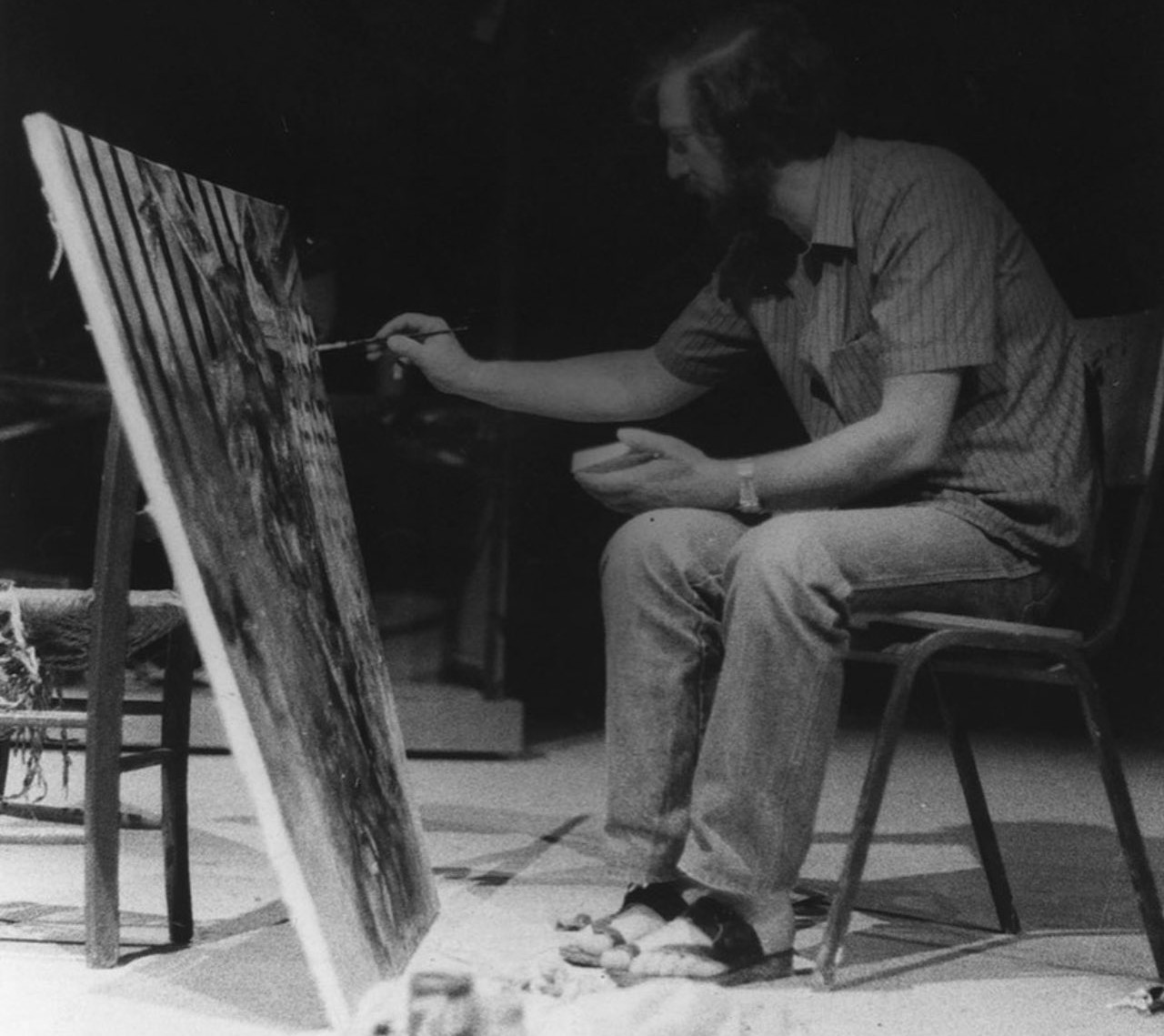
Sliman Mansour’s Palestine
Sliman Mansour spent a lifetime using his art to preserve Palestinian identity and connect people to their land, inspiring generations of artists in his wake. A writer who knew him from childhood as a close friend of her father remembers the gentle, humble man behind the iconic paintings.
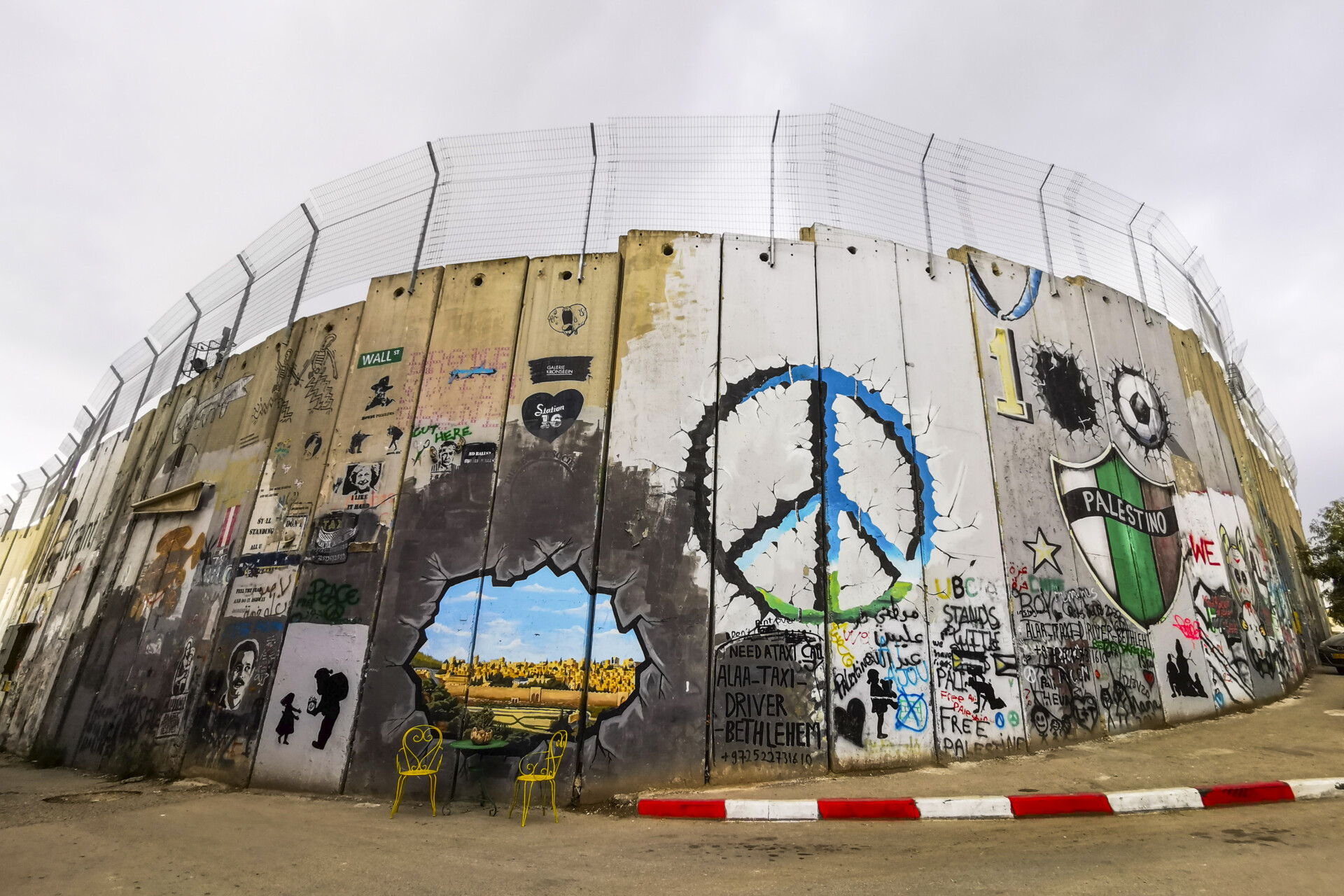
Written on the Walls
Through graffiti, political expression has slipped out of gilded frames and onto concrete and stone. Modern murals in Cairo, Bethlehem and Amman show how the measure of a civilization lies not in its monuments, but in people insisting on being seen, claiming space and painting themselves back into the landscape.
Bringing Color Back to Syria
Former CNN correspondent Arwa Damon writes about returning to Syria and working with the country’s traumatized children.
Kampala’s Cultural Boom Echoes Its 1960s Heyday
Culture has made a comeback in Uganda’s capital since the COVID-19 pandemic, and its music, dance and theater are drawing attention from around the world. The revival mirrors Kampala’s role as a cultural hub in the 1960s, yet today’s artists, like their precursors, still struggle for state recognition.
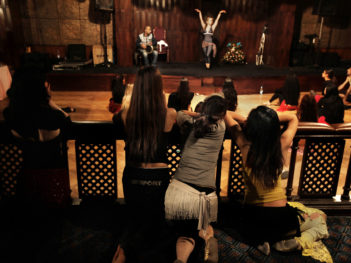
In Egypt, Foreigners Dominate Belly Dancing
Foreign belly dancers, who hail from Eastern Europe, Latin America and the United States, were brought in to fill the space left by Egyptian dancers and now uphold what is viewed as a quintessential Egyptian art.
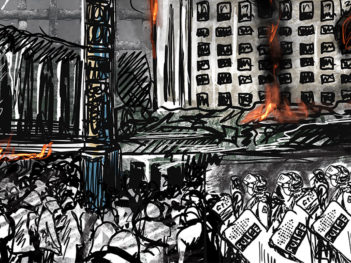
Kazakhstan’s Bloody January
In times of upheaval, art can serve the dual function of documenting events and shaping social values. With its authoritarian targeting of communications networks, Kazakhstan’s government tried to block both processes. It failed.
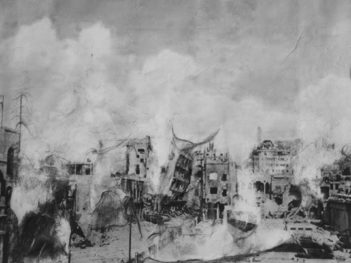
Shooting the War in Syria
Although the aftermath of the war in Syria continues, artworks that repurpose photographs of the war may contribute to a renewed narrative. Art makes the viewer reflect on time and all the opportunities lost. Eventually, perhaps, the art helps us make sense of the war.