

Ahmad al-Sharaa
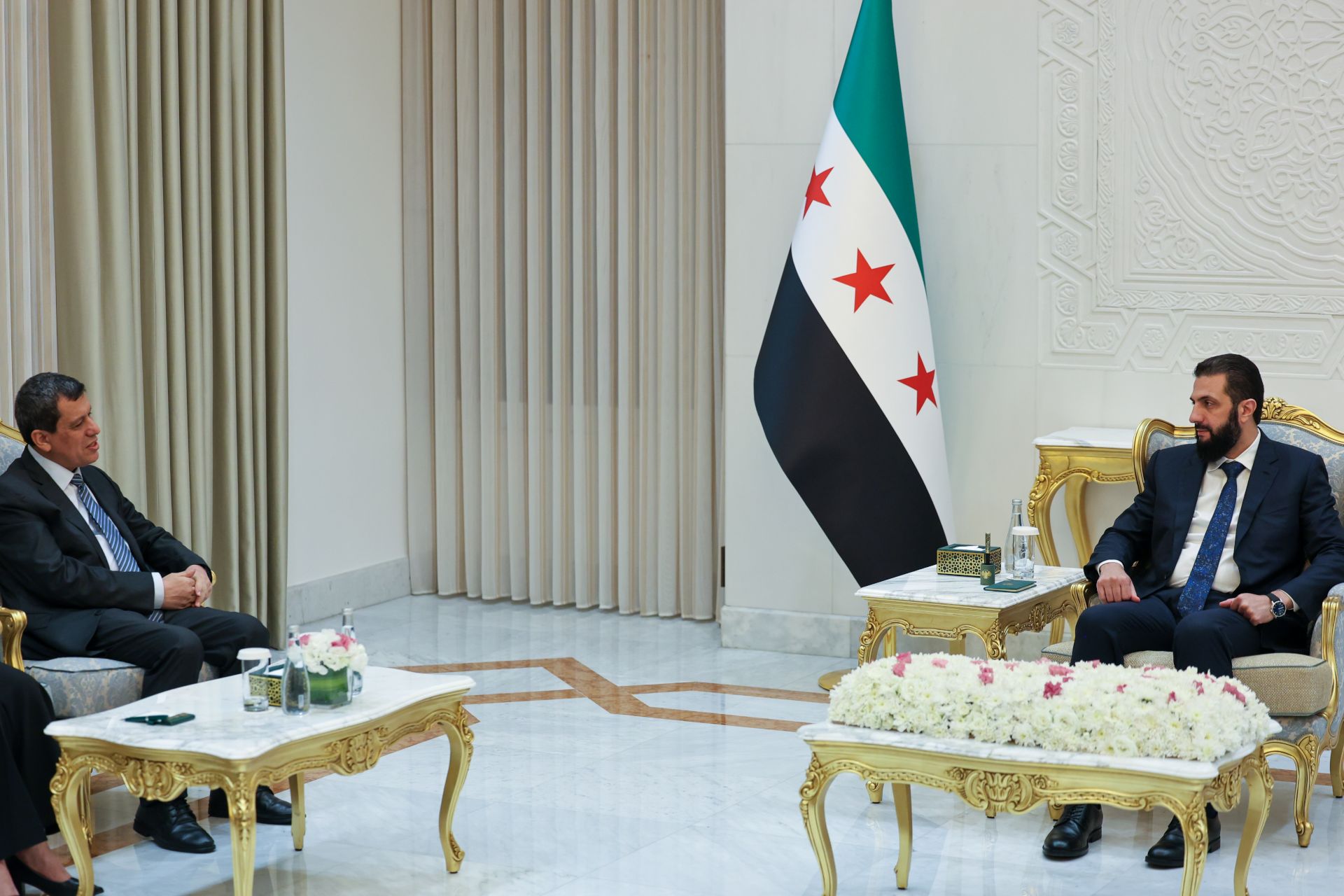
A Nobel Prize for Syria?
Syria's president and the country's foremost Kurdish militia commander have defied expectations of a major military clash, overcoming years of discord to make peace against the odds.

A Parliament of Networks
The backgrounds of those taking their seats in Syria’s new People's Assembly reveal overlapping networks that emerged from the years of revolution and civil war, and a parliament that is anything but a monolith.
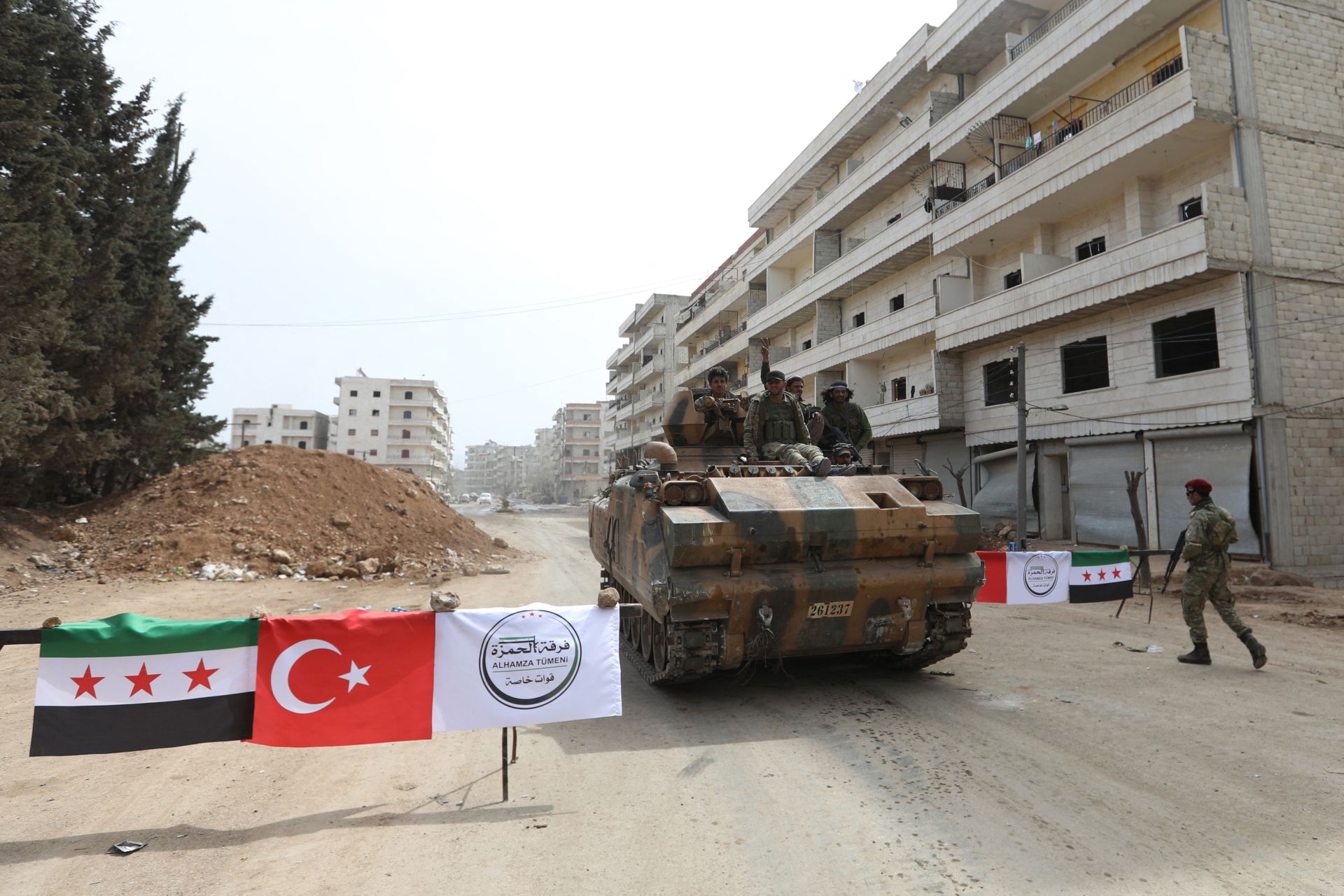
Uneasy Allies: The Real Relationship Between Turkey and Syria’s New Rulers
The partnership between Turkey and the new Syrian leadership is long-standing and complex. It has evolved into an alliance defined not by subservience, but by mutual dependence, recurring friction and an increasingly assertive Damascus.
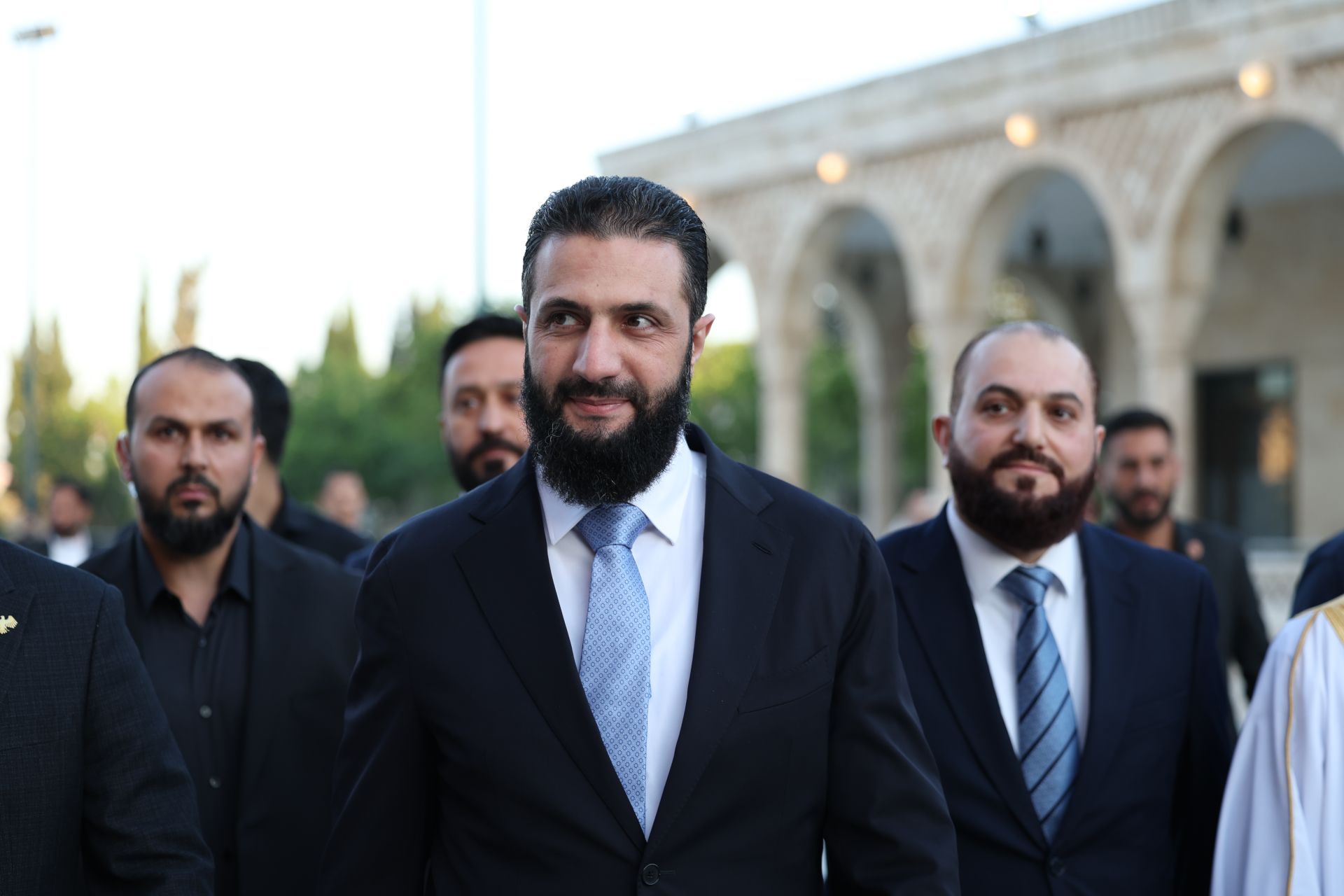
How Halfaya and Idlib Replaced Qardaha at the Heart of Syrian Power
A year on from Assad's fall, the areas that formed the backbone of the armed revolution, above all Halfaya and rural Idlib, have become the primary recruiting ground for Syria's new ruling elite.
Alawite Politics After Assad
After the fall of the Assad regime, Syria’s Alawites are navigating collective blame, political exclusion and existential fear. With no armed force, no institutions and no trusted leadership, their turn to religious protest reflects not sectarian ambition but a desperate search for survival.
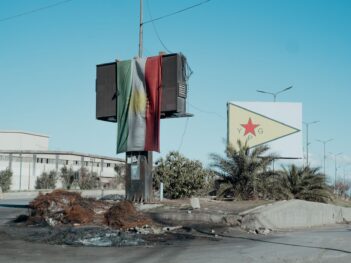
Inside the End of Kurdish Self-Rule in Syria
A deal between Damascus and the Syrian Democratic Forces that will end Kurdish self-rule in northeastern Syria is moving forward. But mistrust runs deep, and many SDF fighters reject integration, while civilians, worn down by war, hope for stability but fear what unification could bring.
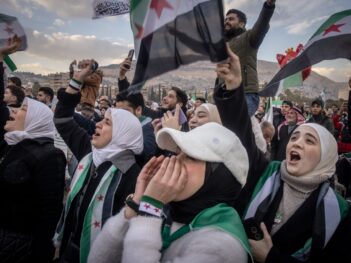
Syria’s New Order Is Not As Fragile As It Seems
The people now running Syria didn’t just replace Assad — they inherited the revolutionary energy that toppled him. That’s what makes the country’s new order both resilient and paranoid.