

agriculture

Feed the World?
Forty years after “Do They Know It’s Christmas?” cast Africa as a place “where nothing ever grows,” Ethiopia’s prime minister declared the country self-sufficient in wheat, and even ready to export. But in Oromia, farmers tell another story — of shrinking plots, costly reforms and a risky plan for collective farming.
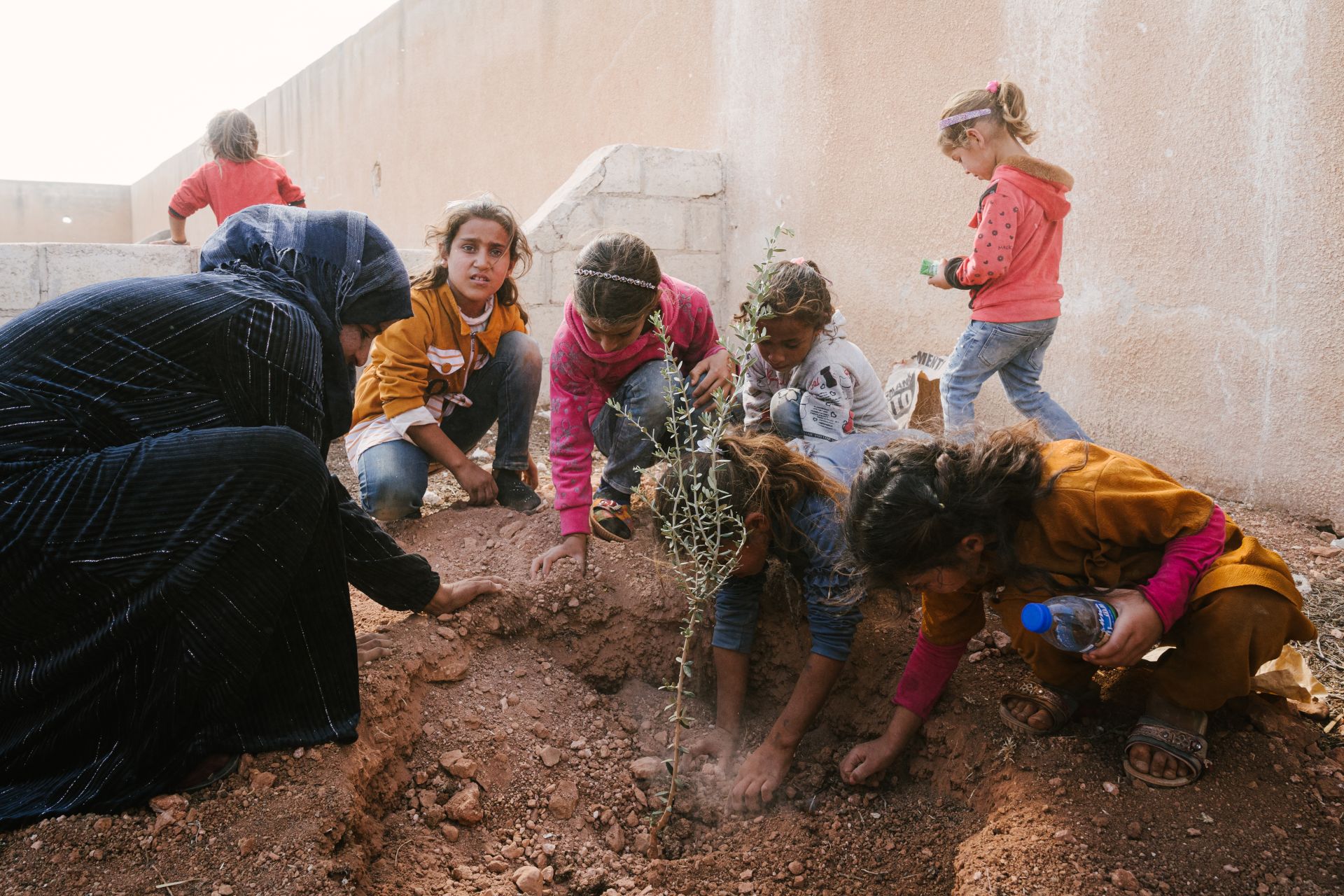
One Seed at a Time
Across the fields and ruins of Idlib, a farmers’ initiative is taking root: to restore Syria’s agricultural autonomy by reviving the ancient practice of saving and replanting traditional “baladi” seeds — a practice nearly erased by war, displacement and industrial seed giants.
Nairobi Gang Members Turn to Greenery to Change Their Lives and City
"Nature has saved a lot of youths who might have been killed.” In impoverished areas of Kenya’s capital, gang members are putting down their guns and instead creating green spaces in the urban jungle.
In the West Bank, Plants Are Political
Picking za’atar, ‘akkoub and miramiyyeh (sage) became a criminal offense punishable by fines and up to three years imprisonment, beginning with za’atar, in 1977, when the Israeli Nature Protection Agency decided it should become a protected species.

From Syria to Lebanon, Saving the Seeds That Could Save Humanity
If a grown sample in a colder region isn’t able to withstand frequent heat waves and gets wiped out, the genetically resilient samples created in ICARDA’s genebank would come to the rescue. So when the accessions made their way to Lebanon in late 2015, it was all hands on deck.
The Ill Fruits of Demographic Engineering in Kashmir
A hilly, snowcapped terrain leads to the village, which has witnessed one of the harshest winters in the Kashmir Valley in decades. The Forest Department managed to cut the trees before anyone could protest, as people had been braving subzero temperatures inside their homes.
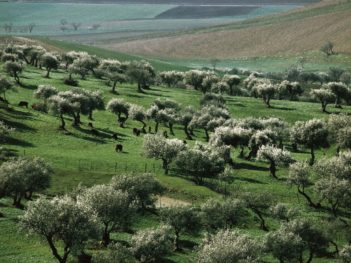
A Day in Mohammad’s Life in Sicily
Around half the workforce employed in Italian agriculture are migrants. They are denied fair wages and exploited by employers. But in addition to this exploitation, workers are stratified by their country of origin and a new racial apartheid has emerged in one of Europe’s largest exporters of fruit and vegetables.