

One of the greatest movie soundtracks came out 30 years ago today, and it still stands the test of time.
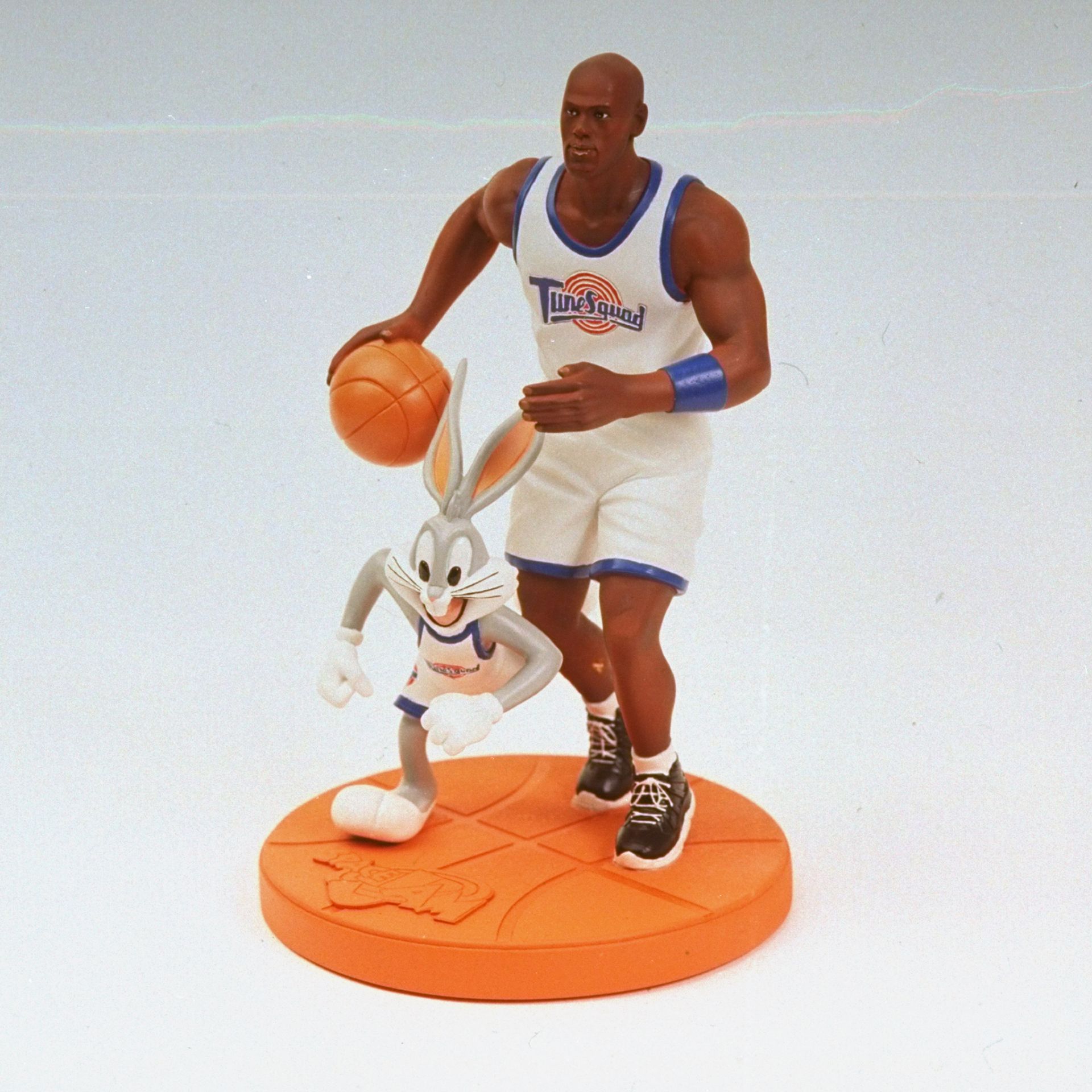
The 1996 movie “Space Jam,” the live-action animation comedy starring Bugs Bunny and the Looney Tunes, along with the greatest basketball player of all time, Michael Jordan, has become a cult classic seared into the nostalgic memories of millennials, despite the film being panned by critics at the time. In 2021, it even received a long-anticipated — and completely forgettable — sequel starring LeBron James.
Yet even with the high-flying acrobatics of Jordan and the zaniness of Daffy Duck, Yosemite Sam and Tweety Bird, the standout of the movie is not even the film itself. The accompanying soundtrack, released by Warner Brothers and Atlantic Records, entered the cultural zeitgeist with a thundering boom in the mid-90s.
The album is laced with banger after banger, spawning six singles — some released well after the film made its theatrical debut. The soundtrack felt contemporary, pulling together musical acts across R&B and hip-hop. Billboard even named it the fourth best-performing album of 1997 and one of the top 100 albums of the ’90s.
Yes, there was the Grammy-winning “I Believe I Can Fly” by R. Kelly, though that is now difficult to listen to given the severity of his atrocious crimes. But “Space Jam” also featured the sultry “Fly Like An Eagle” by legendary R&B singer Seal, himself no stranger to soundtrack success — his song “Kiss From A Rose” in “Batman Forever” just two years earlier was also a hit. The high-octane title track “Space Jam” by Quad City DJ’s remains the bass-bumping sing-along jock jam it was when it first played during the opening credits of the film. “For You I Will” by R&B legend Monica, played during the end credits of “Space Jam,” peaked at No. 4 on the Billboard Hot 100 chart in 1997. And of course “Hit ‘Em High,” the theme song for the Monstars — the rival group of aliens who steal talent from NBA players for their game against the Looney Tunes — brought together some of the biggest names in hip-hop ever on one track: Busta Rhymes, LL Cool J, Coolio, Method Man and Cypress Hill’s B-Real.
Other artists, like Spin Doctors, Barry White, D’Angelo and Salt-N-Pepa, all also featured on the star-studded soundtrack.
Perhaps the funnest anecdote around the album stems from the song “Buggin,” performed by none other than Bugs Bunny, with some assistance from Elmer Fudd and Daffy Duck. The cartoon essentially raps the plot of the film, something that Will Smith would eventually make a career out of. Yet if you look at the credits for “Buggin” you’ll notice a familiar name listed as the writer of the song’s lyrics: a young Shawn Carter, better known as Jay-Z.
In 1996, the rapper and business mogul was still relatively unknown outside of the New York hip-hop scene, having just released his classic debut album “Reasonable Doubt” in June of that year. During an episode of “The Shop” on HBO in 2024, Jay-Z recalls that he was in Sony studios “acting like a rabbit,” later admitting that he wasn’t “thinking about the legacy” of the song at the time.
Jay-Z has spent much of 2026 celebrating the 30th anniversary of that album with stadium concerts in New York, Paris and Los Angeles, and notably choosing himself (through his entertainment company Roc Nation) to perform the halftime of the Super Bowl in 2027. But his contribution to the “Space Jam” soundtrack deserves just as much praise and remembrance for injecting his lyrical prowess into a beloved cartoon character.
The sad tragedy of “Space Jam” in the streaming era is that many of the songs are not available on digital platforms like Spotify or Apple Music, likely due to licensing and rights issues. The aforementioned rap ensemble tracks “Hit ‘Em High” and “Buggin” cannot be streamed, nor can nearly half of the songs from the soundtrack (all songs are available on YouTube through unofficial channels).
It’s a stark reminder of the importance and necessity of physical media, both for the enjoyment of the music and for the recognition of the many songwriters and producers who worked on the album. I remember purchasing that CD as a young kid at my local Sam Goody store. I still own it, with the original case and inner booklet — along with many scratches and scuff marks on the back of the CD because of heavy, heavy use.
The soundtrack still resonates with millennials and anyone who remembers being a kid when the film was first released. There’s still nothing better than going to the basketball court, putting on headphones, and blaring “Fly Like An Eagle” while trying to recreate the MJ fadeaway jumper.