

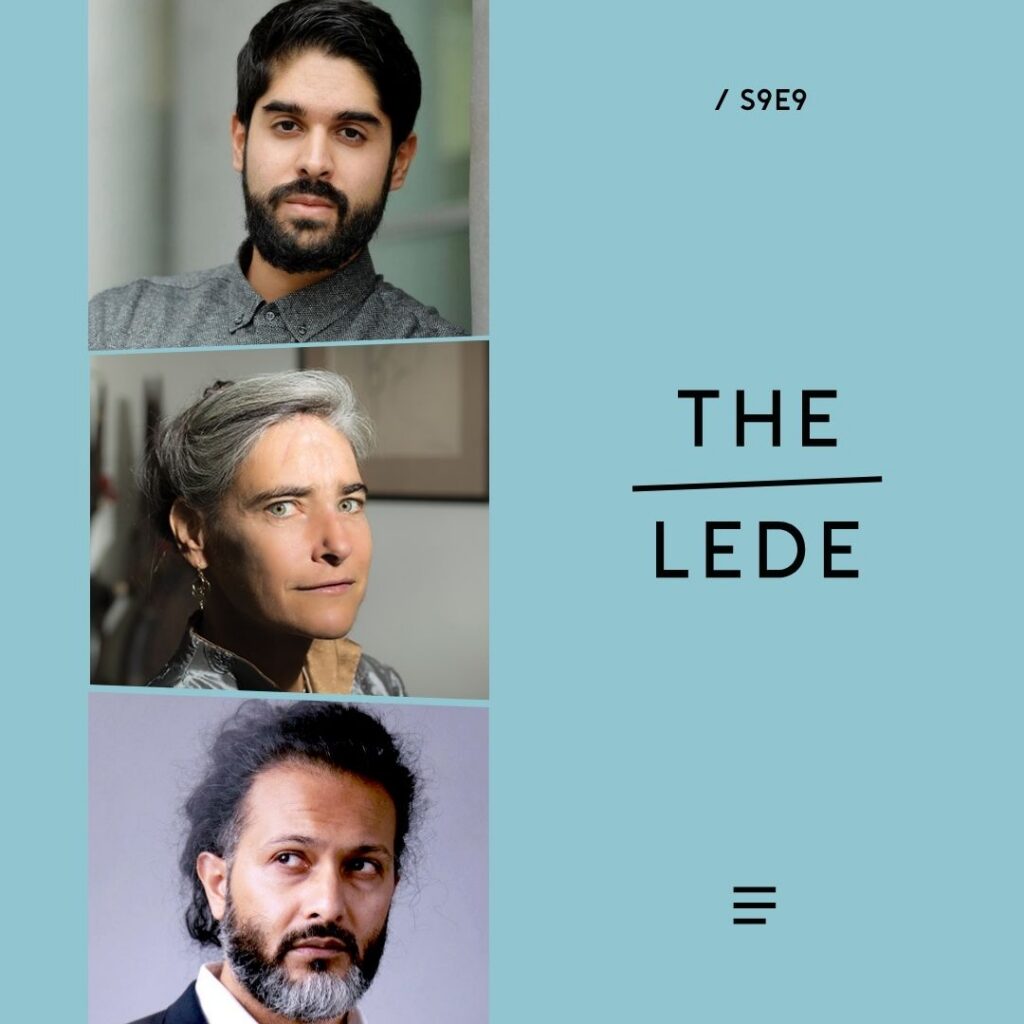
Hosted by Faisal Al Yafai
Featuring Emran Feroz and Sarah Chayes
Produced by Finbar Anderson
Listen to and follow The Lede
Apple Podcasts | Spotify | Youtube | Podbean
For Emran Feroz, one email buried deep within the Epstein files paints a picture of exactly what the powerful will do when they think nobody is watching them, he tells Faisal Al Yafai on this week’s episode of The Lede.
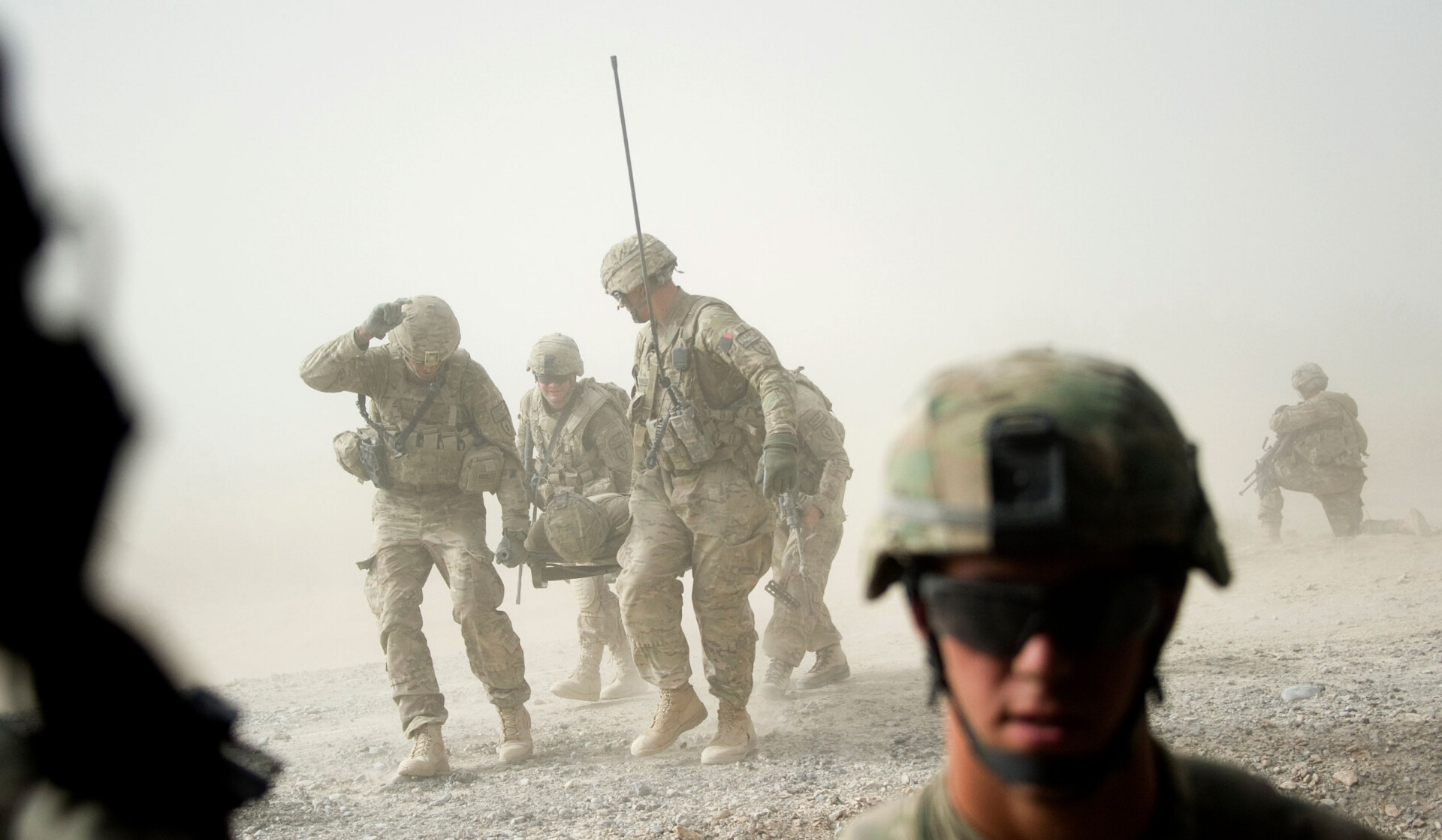
Feroz, who covers Afghanistan and the wider region, found something unexpected in the files: an email from American billionaire Tom Pritzker, sent from Afghanistan in June 2011, in which Pritzker described being in “a remote valley in Afghanistan” with “boys and toys,” having been allegedly lent, according to that email, military helicopters by Gen. David Petraeus, then the head of NATO forces in the country.
“By dividing the population, the kleptocrats of both parties go laughing to the bank.”
The email stunned many Afghans, Feroz says. “Afghanistan is a very big country, and everyone who reported from there — especially people who are very connected to rural areas — every time when visiting these places, you heard so many stories from people: ‘Some foreigners came to this place. They shot around, they bombed some people. They tested some new weapons, but who cares?’”
For Feroz, the files underscore a pattern he has long observed: the distance between where the destruction happens and where accountability is demanded. “It’s remote, it’s far away, but people are living there,” he says. “During the 20 years of the war, a lot of journalists, a lot of human rights workers, they were all concentrated in Kabul, and a lot of them did not visit these places.”
Joining Feroz is former reporter and corruption expert Sarah Chayes, whose book “On Corruption in America” examines systemic corruption in the United States. Chayes says the Epstein files confirm what she has long argued: that the kleptocratic networks she first studied in countries like Afghanistan operate in strikingly similar ways in the West. “There’s a difference between knowing it’s there and finding it in excruciating detail,” she says.
Chayes tells Al Yafai that she sees the recently arrested former British ambassador to Washington, Peter Mandelson, as a more significant figure in the Epstein saga than Andrew Mountbatten-Windsor, because of Mandelson’s role as a “genuine and very long-lived political figure.” Mountbatten-Windsor, the former prince who became the first senior member of the British royal family to be arrested since Charles I, is “a society story,” Chayes argues. By contrast, Mandelson “is woven into precisely the type of sophisticated, integrated, horizontally integrated, transnational kleptocratic network that I’ve been talking about.”
A key insight from the files, Chayes argues, is the role of sex as a currency within these networks. “I had not factored sex as a currency into my thinking to the degree that it warrants,” she says. While she had previously focused on money as the primary medium of exchange among kleptocratic elites, the Epstein files demonstrate that sexual exploitation functions as another form of “glue that holds the networks together.”
The files also reveal the casual racism of the Epstein circle, Feroz says. He highlights an email from Epstein associate Ghislaine Maxwell joking about the potential destruction of the Arab peoples. “She was racist,” Feroz says. “Even if you are within their circle, even if you have all the money — even if you do the same cruel things like they did — there’s still this racism, and I think that’s also revealing.”
Chayes draws a direct line from the Epstein networks to the broader political dysfunction in the United States, arguing that ideological divisions between Republicans and Democrats serve the interests of kleptocrats on both sides. “By dividing the population, the kleptocrats of both parties go laughing to the bank,” she says.
As for whether the files will lead to real accountability, both guests are skeptical. Feroz notes that coverage of figures like Pritzker has been superficial. “The majority of these reports did not even mention his trip to Afghanistan,” he says. “If you want to see some reckoning, the people who can do the job to put it on the proper road have to do their jobs properly. But unfortunately, in many cases, I don’t see that.”