

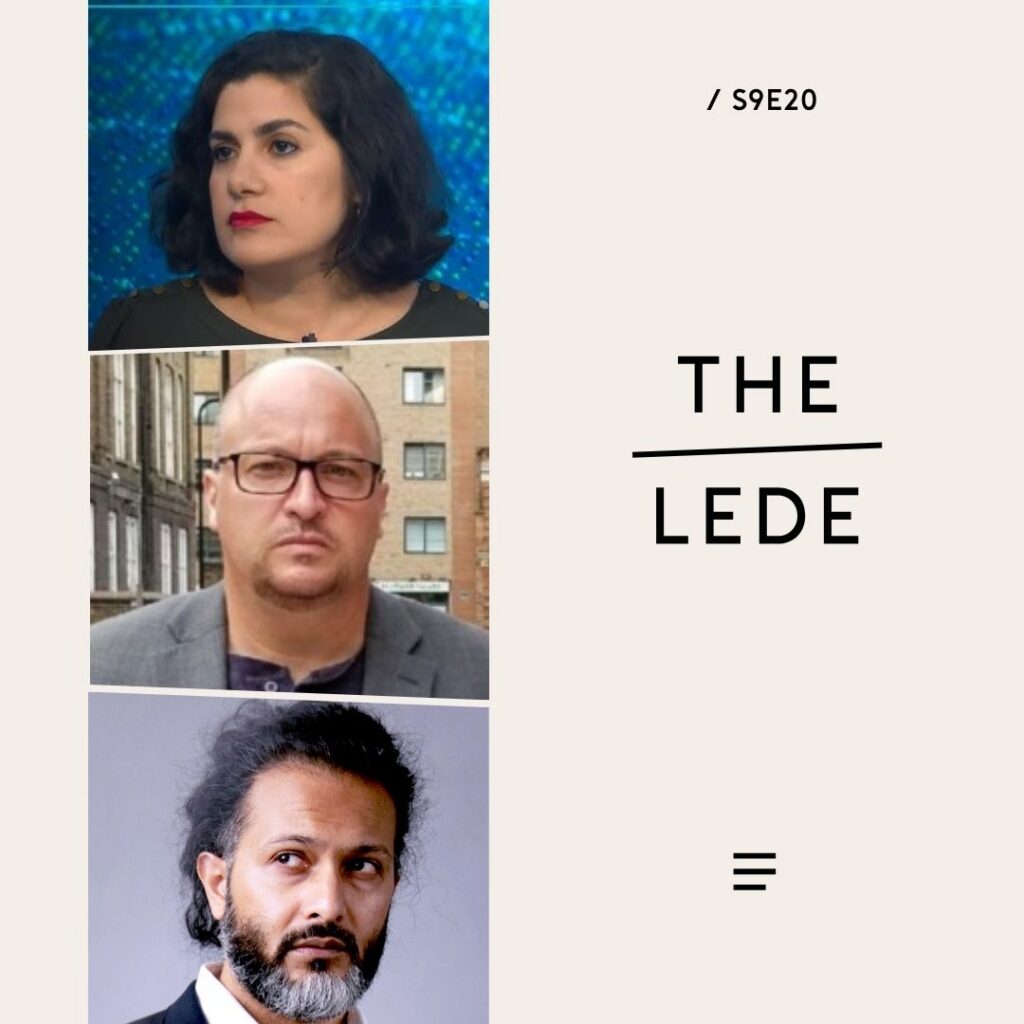
Hosted by Faisal Al Yafai
Featuring Negar Mortazavi and Danny Postel
Produced by Finbar Anderson
Listen to and follow The Lede
Apple Podcasts | Spotify | Youtube | Podbean
Looking back on it, Negar Mortazavi suggests to Faisal Al Yafai on The Lede, the Islamic Republic of Iran always had a key advantage over its more powerful American adversary in the recent conflict. “This was supposed to be a regime change war, and regime change didn’t happen,” the journalist and podcaster says. “This is a big win for them, because for the Iranians, winning was easy. Winning was just not losing.”
Despite its significant losses in materiel and from among its senior leadership, Iran has come out of this war emboldened, Mortazavi says. “Before this, Iranians always had this sense that the Americans don’t respect us, they humiliate us, they just want to put pressure and make us surrender,” she says. “Now that they feel like they came out of the battlefield as the winners — or not losers — they have more confidence at the negotiating table, and they’re doing diplomacy in a much better way.”
“For the Iranians, winning was easy. Winning was just not losing.”
New Lines’ Politics Editor Danny Postel agrees with Mortazavi. “The war itself was a godsend to the Islamic Republic of Iran, there’s no way around that,” he says. “This war that [Israeli Prime Minister Benjamin] Netanyahu and [U.S. President Donald] Trump launched really gave the Islamic Republic a lifeline, where it had been on the ropes.”
Trump himself may have been persuaded to enter the costly and gruelling war by the success of his operation to topple former Venezuelan President Nicolás Maduro, Postel suggests. “The success of the Venezuela operation served as something of a gateway drug for him as Iran got on the agenda,” Postel says. “Trump came to believe that he could go down in history as the liberator of Iran.”
While the ceasefire deal leaves much unanswered, including the fate of Iran’s nuclear program, the regime may feel it is negotiating from a better position than it has for some years, Mortazavi says. “There’s now this newfound respect for Iran. If they wanted this regime gone, now they understand that it can’t be — because if the U.S. and Israel can’t do it, then who can?”