

food
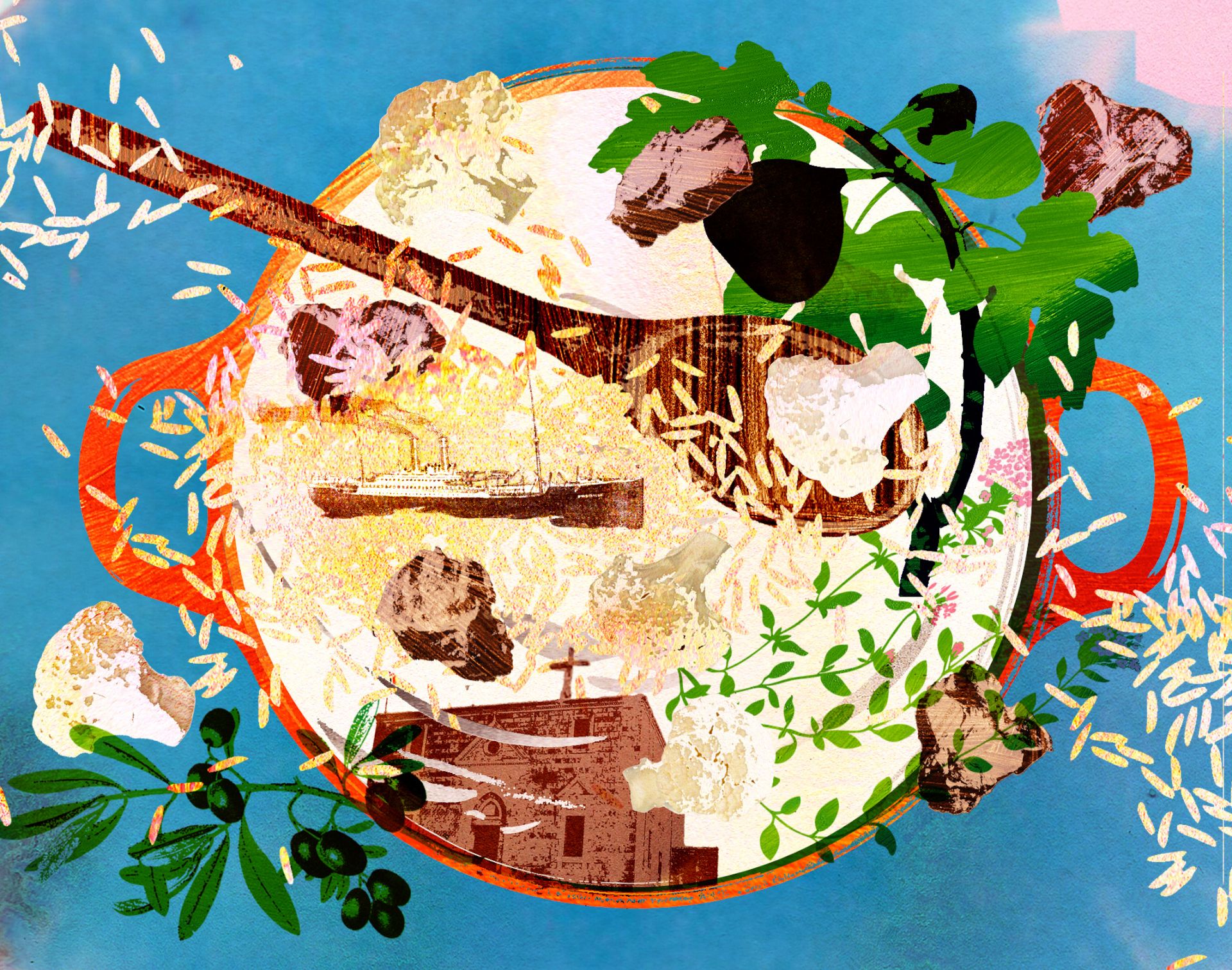
Stirring Memories
Mlaheeyeh, a dish from a southern Lebanese town, disappeared where it was born, but survived for a century in the kitchens of families who emigrated to Oklahoma. Its story reveals what war truly destroys when it displaces a people.
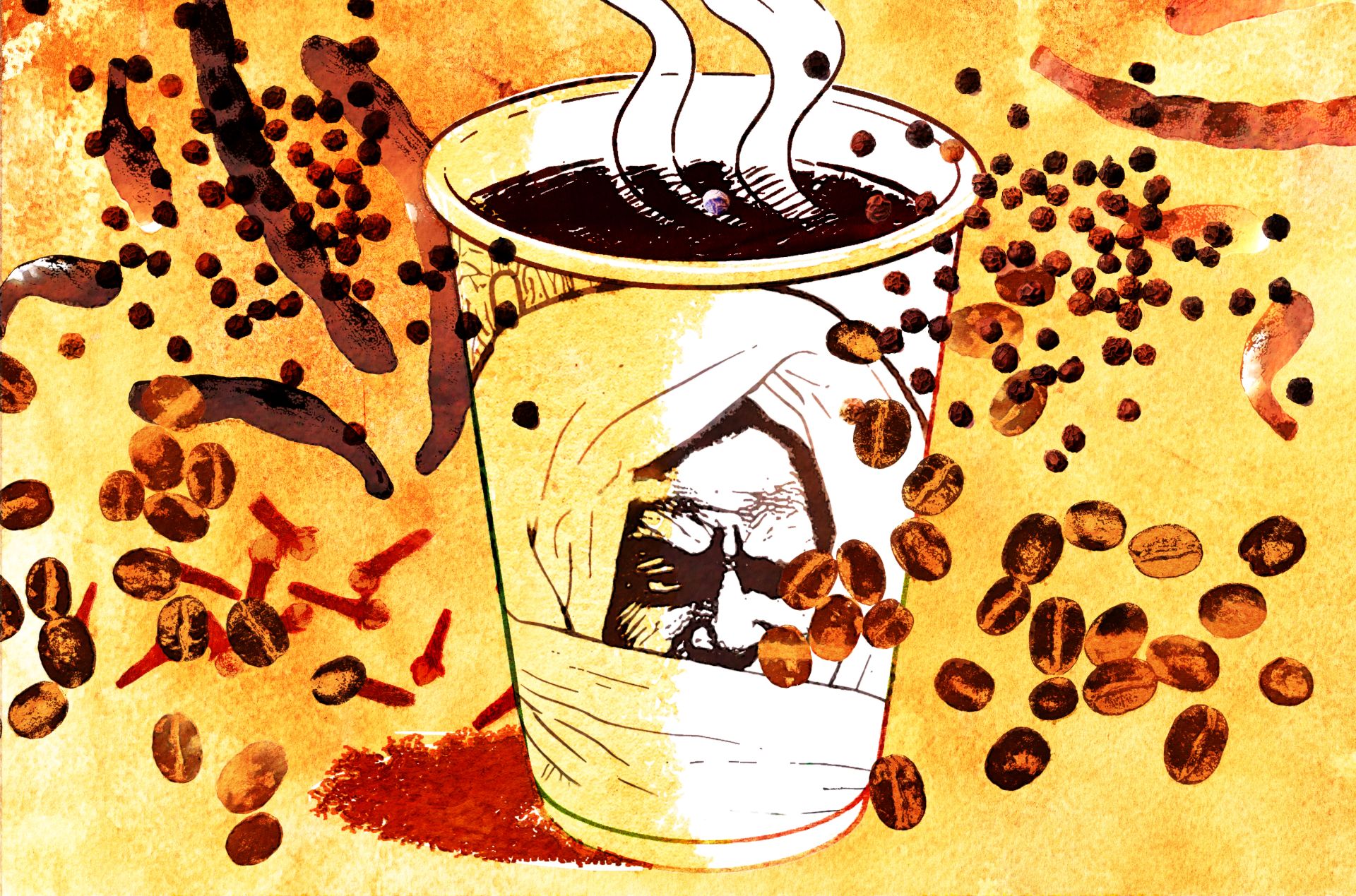
The Saint’s Brew
Senegal’s cafe Touba, a spicy, milkless coffee, was created by the Sufi saint Sheikh Amadou Bamba as spiritual fuel while he was exiled by French authorities. More than a century later, it has become a national symbol that is giving major corporations like Nestle a run for their money.
A New Generation Is Redefining Pakistani Cuisine in the US
As young chefs and entrepreneurs embrace their Pakistani identity openly, a small but growing Pakistani-American food scene is emerging beyond traditional immigrant enclaves, with supper clubs and cookbooks expanding its boundaries — and pushing back against decades of being flattened into “Indian” food.
The Surprising Roots of Italy’s Food Festivals
Italy’s “sagre” or food festivals have less to do with ancient roots and more to do with modern politics than many now realize. From fascists to communists, politicians have long sought to use these celebrations of cuisine and locality to construct political identities.
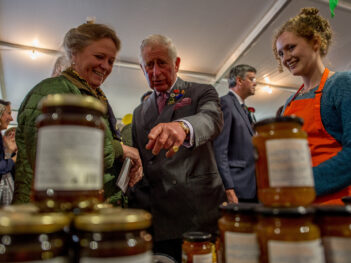
The Unstoppable Spread of Marmalade
Marmalade has become a global passion. How did this staple of the British breakfast table become the focus of a competition in England’s Lake District that hosts over 3,000 jars flown in from all over the world?
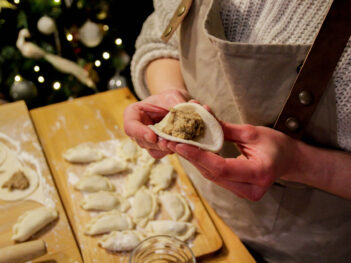
Not All Pierogi Are the Same
A new generation of chefs and media personalities is reshaping Poland’s culinary landscape, with local, traditional and artisanal foods acquiring greater prestige and visibility. That exposure has also raised questions about the role of food in defining national identity — and revealed gaps between the country’s haves and have-nots.
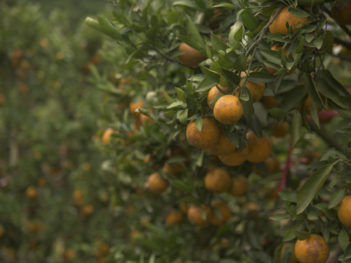
Syrian Kitchens Come to Life in the Winter
Winter is the season of naranj, these small bitter oranges that used to grow in most traditional houses in Damascus and Aleppo, Syria’s competing cities on everything culinary.