

Hosted by Kwangu Liwewe Agyei
Featuring Sari Bashi and Sara Cincurova
Produced by Finbar Anderson
Listen to and follow The Lede
Apple Podcasts | Spotify | Youtube | Podbean
Please be aware that this episode contains discussions of sexual violence.
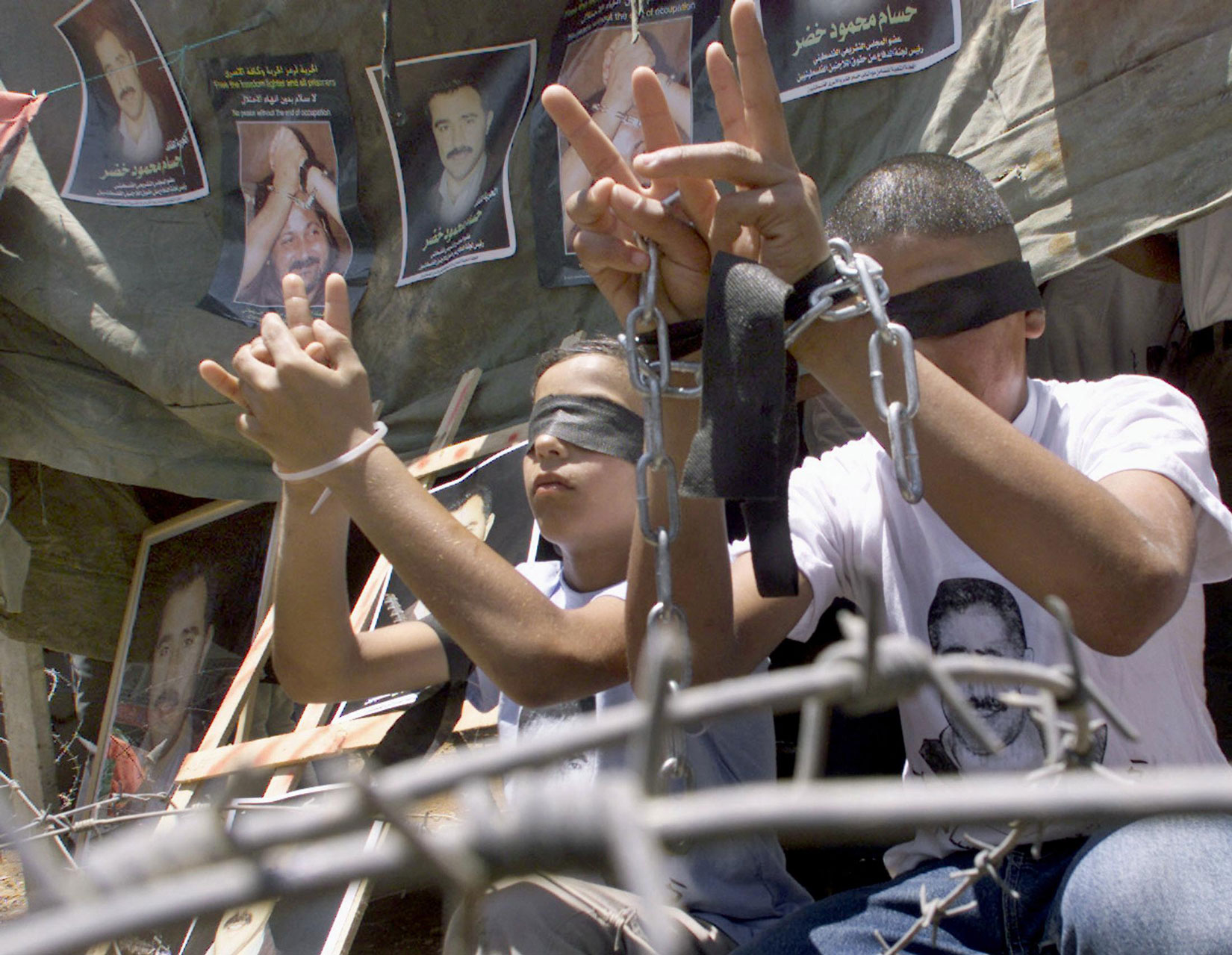
Sari Bashi is incredulous that accusations of sexual violence against Palestinian prisoners in Israeli prisons are being called into question. “I don’t understand how people could think that men would come forward and tell horrific stories of rape, given the stigma that that has in Palestinian society, as in most societies, and given the real threat of retaliation,” the internationally renowned human rights lawyer tells Kwangu Liwewe Agyei in this month’s episode of Global Insights on The Lede. “How could it be that so many people in so many different prisons are telling a similar story of similar conduct? They’re telling those stories because they’re true.”
The violence committed against such prisoners is often not seen as sexual assault. One of Bashi’s colleagues asked a detainee if he had been penetrated with an object. “And he said, ‘Oh, yeah.’ It was so common, it didn’t even occur to him that that would be something worth noting, and he didn’t know to name it as rape,” Bashi says.
“When the authorities know that sexual violence is happening and do not stop it, then it becomes state-sanctioned.”

The Israeli government’s refusal to acknowledge, condemn or punish such actions amounts to a green light, Bashi argues. “When the authorities know that sexual violence is happening and do not stop it, then it becomes state-sanctioned,” she says.
Journalist Sara Cincurova tells Liwewe Agyei that in the cases she has studied, those committing sexual violence often have humiliation in mind. “These various situations in various different countries have something in common, which is that rape is really a tool of power and humiliation and ultimately control over women, whether it’s Ukrainian women on the occupied territories or African women crossing the Mediterranean through Libya. … In each of these cases, I found that it’s really about having control and having a tool of power to humiliate these women,” she says.
This kind of violence can often affect civilians more than front-line soldiers, Cincurova argues. “Just today, I was interviewing a woman who was forced to work in a work camp in occupied Ukraine where she was routinely raped, but because she is a civilian, she said she has not received any kind of reparation. It is sometimes more complicated for civilians than for soldiers,” she says.
The brutality of such stories means they linger in her memory, Cincurova says. “Almost every story that I document stays with me for a long time, because each of these stories are stories that cannot leave you as you were before.”