

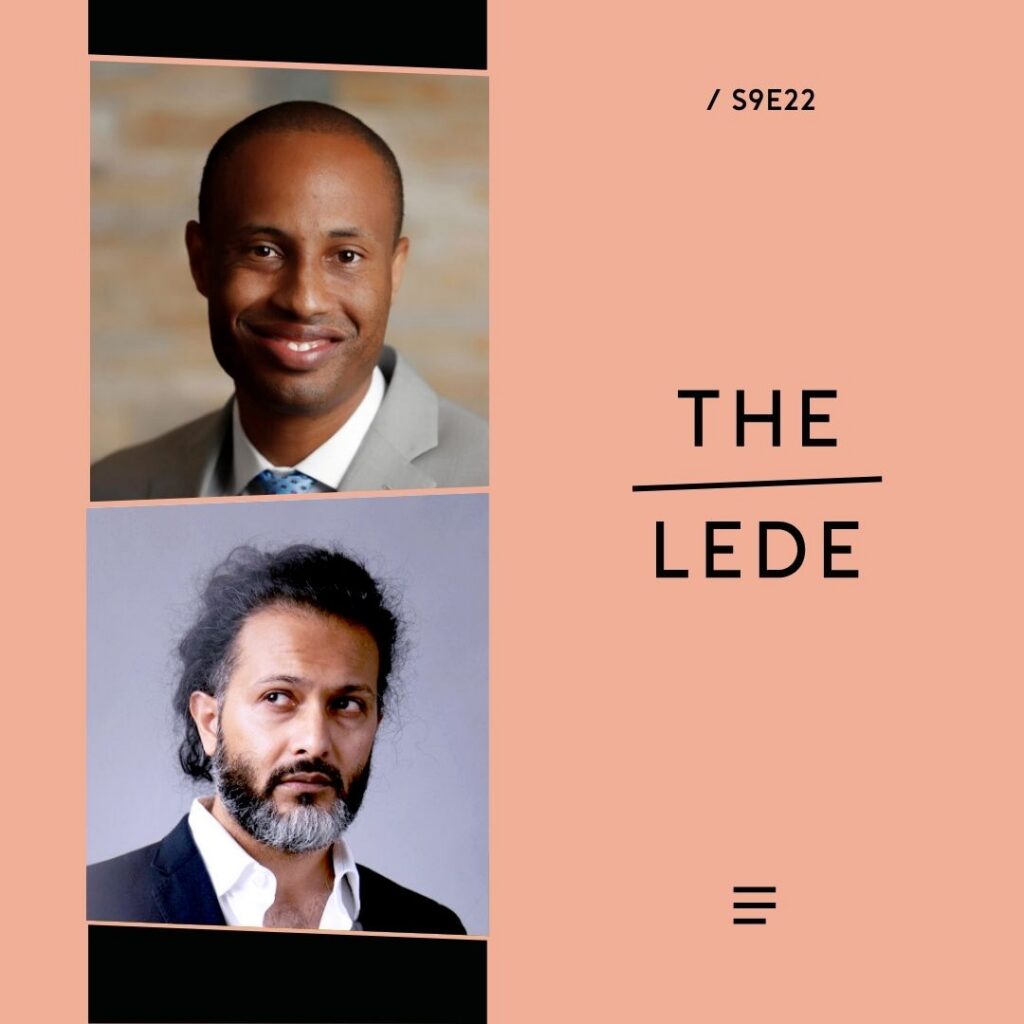
Hosted by Faisal Al Yafai
Featuring Marcus Gadson
Produced by Finbar Anderson
Listen to and follow The Lede
Apple Podcasts | Spotify | Youtube | Podbean
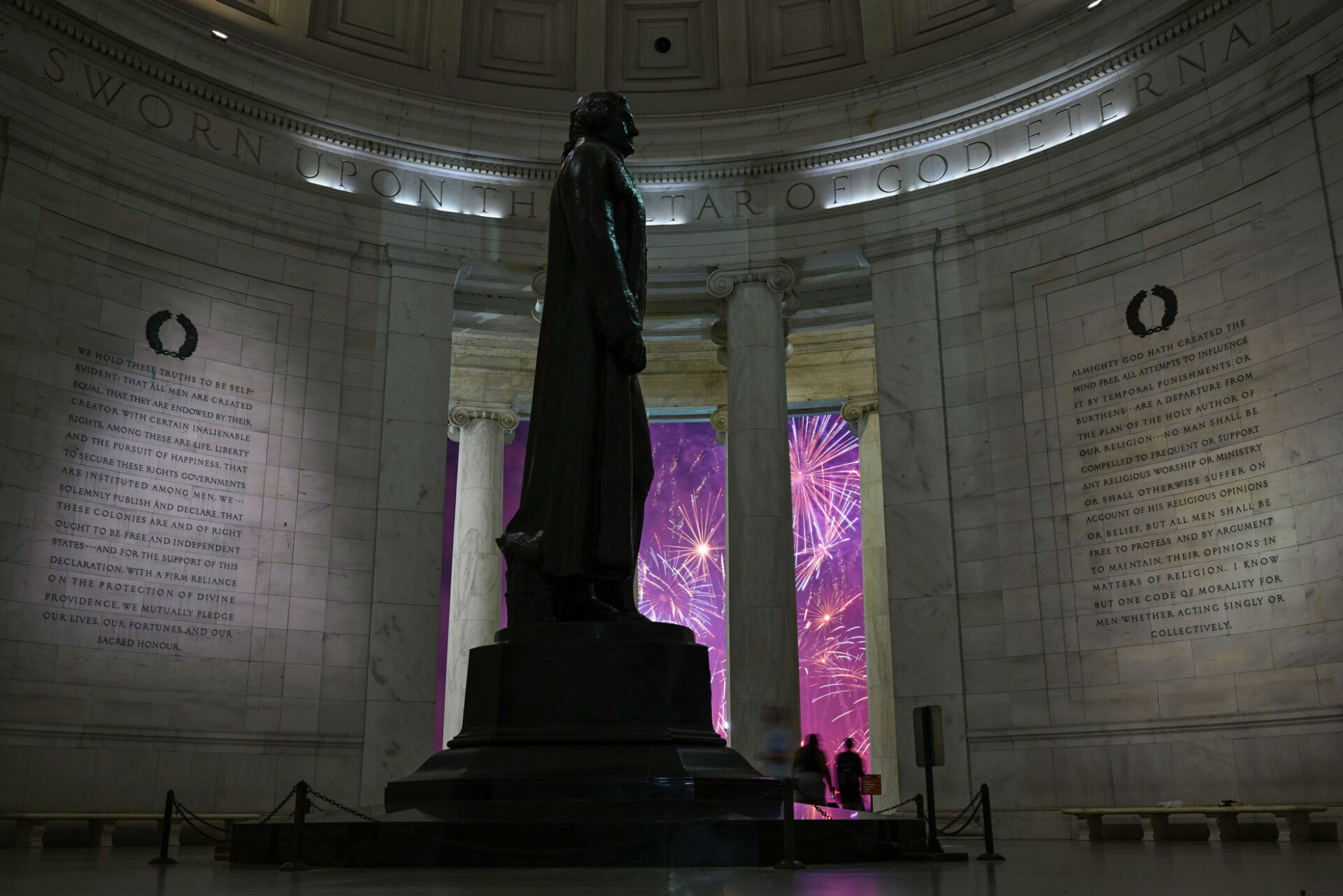
As America celebrates the 250th anniversary of the Declaration of Independence, it can be tempting to see a moment of unique crisis behind the festivities, with authoritarianism seemingly looming over the United States and its citizens quarreling over the very meaning of what it means to be American.
But those worries, Marcus Gadson suggests to Faisal Al Yafai on this week’s episode of The Lede, are as old as America itself. “Constitutional crisis is actually a very common phenomenon in American history, and it’s shaped American history and constitutional law in all sorts of ways,” he says. “America was born in a constitutional crisis. In 1776, we’re actually fighting what might be described as a civil war.”
“When you read that famous language, it raises just as many questions.”
Continuing a series on the podcast exploring the path and progress of the American experiment, this episode considers some of the issues currently testing America’s Constitution, and its identity.
Looking back at the Declaration of Independence itself, Gadson points out that while it can be tempting to see a clear unity of purpose in the words on the page, there was nonetheless tension among the founders. “When they say the president has to be 35, I think they knew 35 is 35,” he says. “But when they start talking about the Preamble — ‘We the People, in order to form a more perfect union’ — does a perfect union have slavery or not? They couldn’t agree on that then, and it wouldn’t surprise them at all that we haven’t agreed since.”
Those disagreements over how to interpret the Declaration continue to this day, Gadson argues. “When you read that famous language, it raises just as many questions,” he says. “When I teach con law, I always ask for a show of hands: Raise your hand if you agree that we all have the right to liberty. Everybody raises their hands — but then when I ask, ‘Does liberty mean that you have the right to an AR-15 in a school zone?’ now some of the hands start going down.”
Conflict is natural, Gadson says. “The fact that we have fundamental disagreements — I tell students this all the time — just as with a marriage, disagreeing with your spouse isn’t always a bad thing. It doesn’t mean the end of the marriage is near. It’s how you work out those disagreements that matters.”