

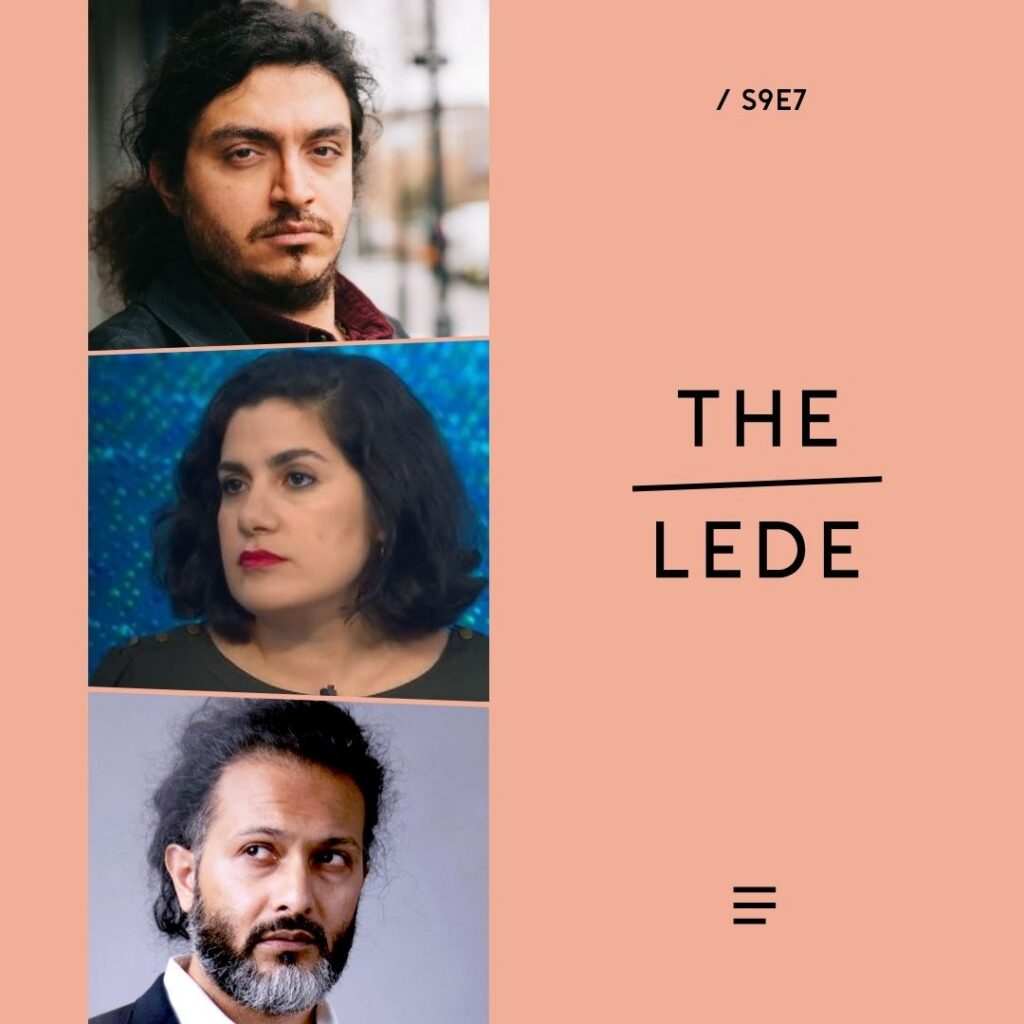
Hosted by Faisal Al Yafai
Featuring Negar Mortazavi and Arash Azizi
Produced by Finbar Anderson
Listen to and follow The Lede
Apple Podcasts | Spotify | Youtube | Podbean
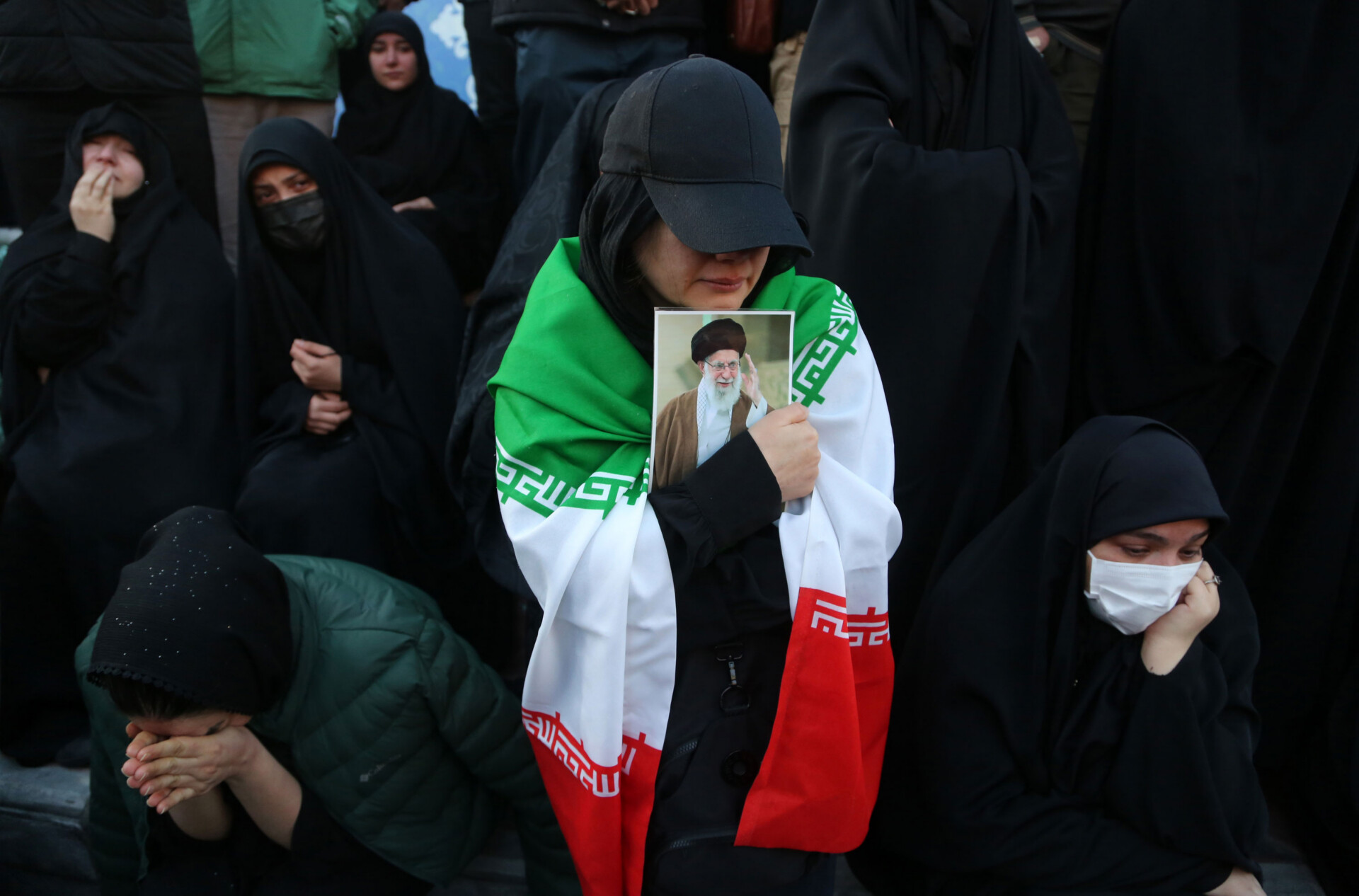
In a special emergency episode of The Lede, journalist and analyst Negar Mortazavi and writer and historian Arash Azizi join Faisal Al Yafai to discuss the U.S. and Israeli strikes on Iran, the killing of Supreme Leader Ali Khamenei and the prospects for the country’s future.
Mortazavi, host of The Iran Podcast, tells Al Yafai that many Iranians are grappling with contradictory emotions in the wake of the strikes. “It’s very possible to hold both truths at the same time,” she says. “You can be very much anti-Islamic republic and all the policies they’ve enabled over the years, and at the same time not be happy about the killing of schoolchildren or support foreign intervention.”
“It was never clear that this intervention would have any positive consequences.”
Azizi, author of “What Iranians Want: Women, Life, Freedom,” and “The Shadow Commander: Soleimani, the U.S. and Iran’s Global Ambitions,” says he was never in favor of military intervention despite his opposition to Iran’s ruling regime, fronted by Khamenei. “In this case, I was never pro-intervention, because it was never clear that this intervention would have any positive consequences,” he says.
Azizi adds that the removal of the regime’s top leadership is unlikely to lead to the solution many of those in support of the strikes were hoping for. “Many ordinary people have some simplistic view of the world in which they think Trump comes in, takes out Khamenei, and then whatever development they want will occur. It just doesn’t work like that.”
Mortazavi divides the Iranian public into three broad groups: diehard supporters of the regime, a radical opposition willing to accept regime change at any cost, and a larger, more silent group in the middle. She describes seeing a social media post that captured the mood of that middle group: “No to the Islamic republic, no to Israel and no to the United States — all three at the same time.”
On the conduct of the war, Mortazavi argues that Iran’s retaliatory strikes on Gulf states reflect a deliberate shift in its defense doctrine. Tehran’s new approach is designed to escalate rather than de-escalate, in the hope of forcing Trump to back down. But the strategy carries significant risks: Gulf countries that have served as “oases of stability” now find conflict at their doorsteps, and the approach could backfire and turn former partners against Iran.
The death of Khamenei may paradoxically open the door to a more pragmatic leadership, Mortazavi argues. “Khamenei wasn’t just a person deciding in the moment. He was a person building on over three decades of decision-making, of narrative, of things he had said and done that he couldn’t really contradict,” she says. “If you have someone coming in newer, younger, I see an opening for more pragmatism and realism.”