


Stephen J. Hartnett
Stephen J. Hartnett is professor of communication at the University of Colorado Denver and the author of “A World of Turmoil: The United States, China, and Taiwan in the Long Cold War” (2021) and co-editor of “Imagining China: Rhetorics of Nationalism in an Age of Globalization” (2017).
Latest from Stephen J. Hartnett
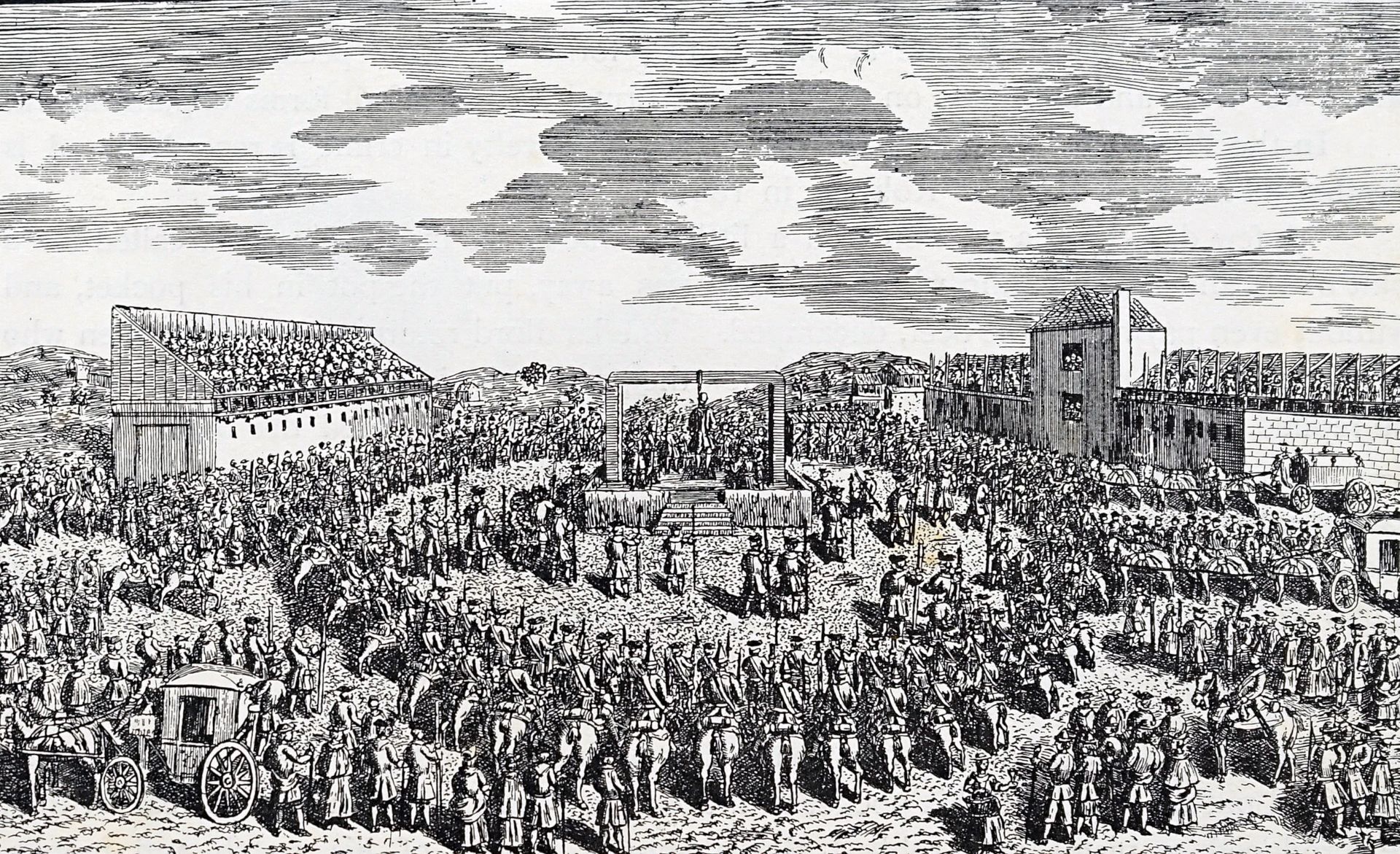
Nidal Hasan’s Execution Will Not Be Livestreamed, but the Idea Has Deep Historical Roots
The livestreaming of Nidal Hasan’s execution has been canceled, but the Hegseth-Trump carnival of death has deep roots in U.S. history. America’s evolving sense of itself, its understanding of what it means to live in a democracy, has always been entwined with fierce debates about public displays of violence.
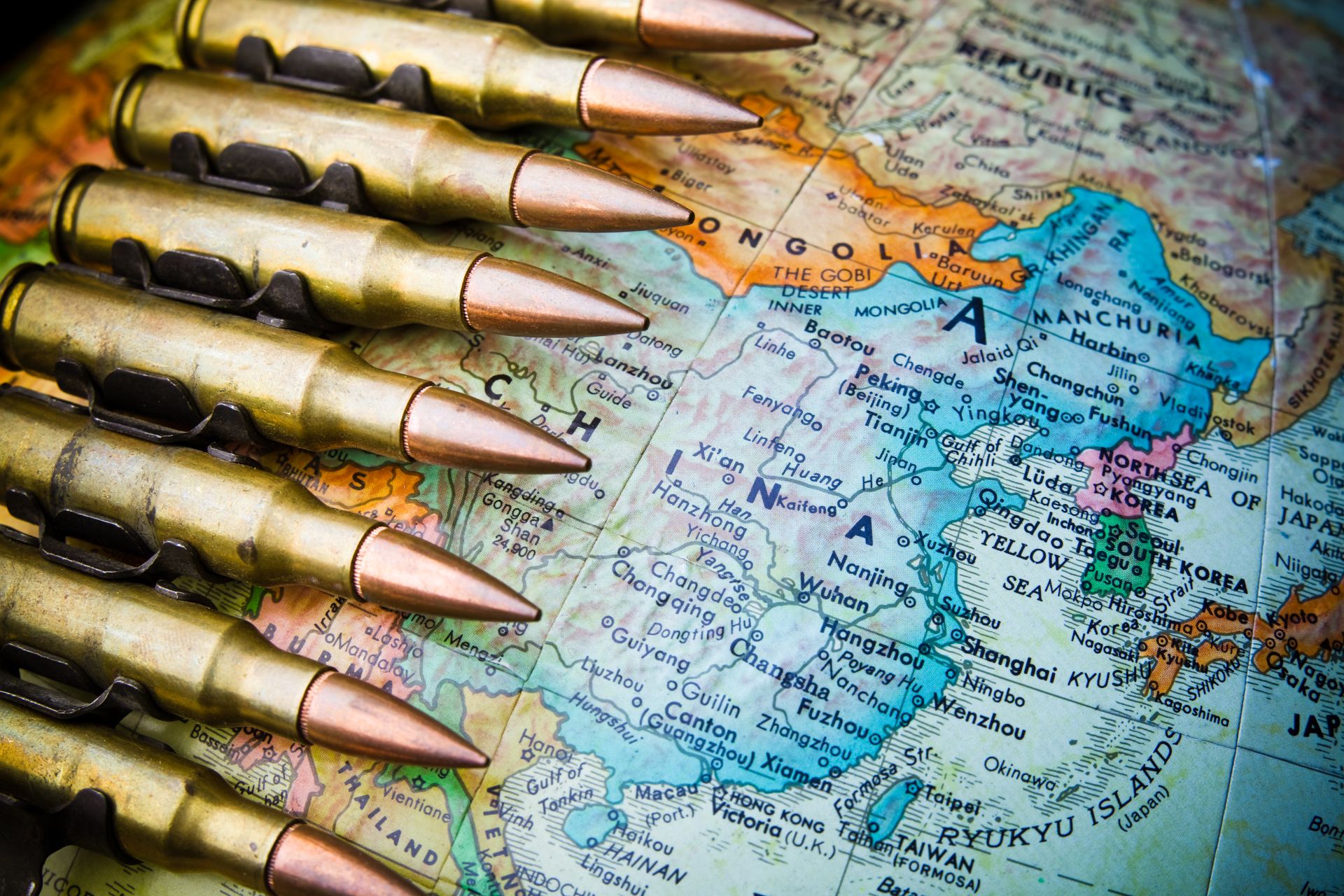
Threatened by China, Taiwan Builds a Culture of Resilience
If Putin can obliterate Ukrainian towns with impunity, what’s to stop Xi Jinping from doing the same to Taiwan? Will Biden’s resolve to defend sovereignty in Europe deter Xi from invading Taiwan? Or will China embark on its long-stated quest to “reunify” Taiwan with the motherland?
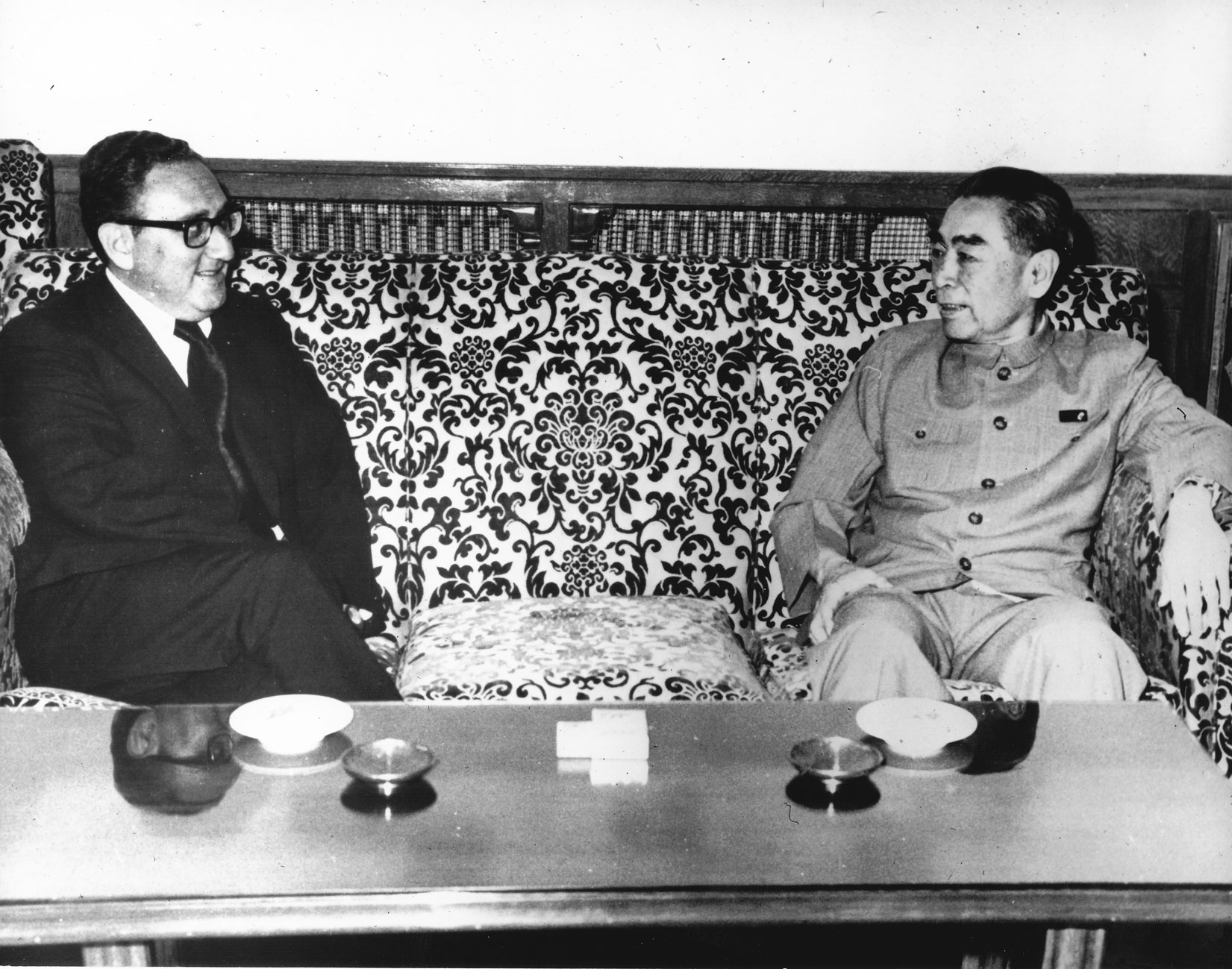
The Diplomatic Subterfuge Behind the Dangerous Standoff in Taiwan
To make sense of the trouble in the Taiwan Strait today, we need to return to the darkest days of the Cold War and see how Nixon seeded decades of misunderstanding by promising the regime in Beijing one thing, the regime in Taipei another and constituents back in America yet another.

Chinese Dream of Reunification With Taiwan May Be a Nightmare
The military drama in the Taiwan Strait represents a regime ruling through propaganda losing control of the narrative. Xi has been promising the Chinese people the imminent “reunification” of Taiwan with China. But deprived of alternative viewpoints, Chinese citizens can be forgiven for believing such promises.