

Syria
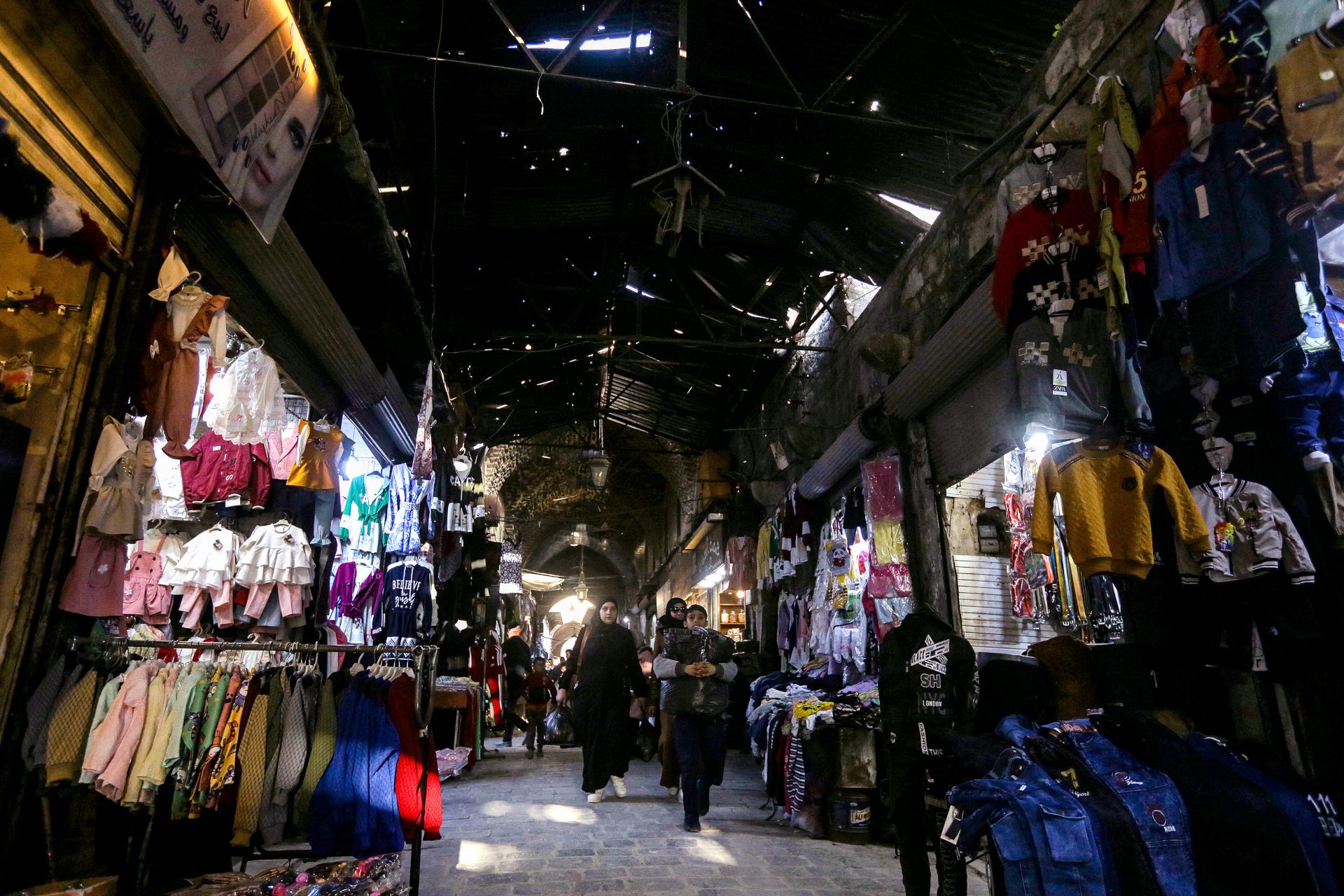
Reviving Aleppo’s Old Town
Aleppo’s historic markets are reopening after years of destruction, yet residents remain cautious, rebuilding their livelihoods while waiting to learn what kind of country they now live in.
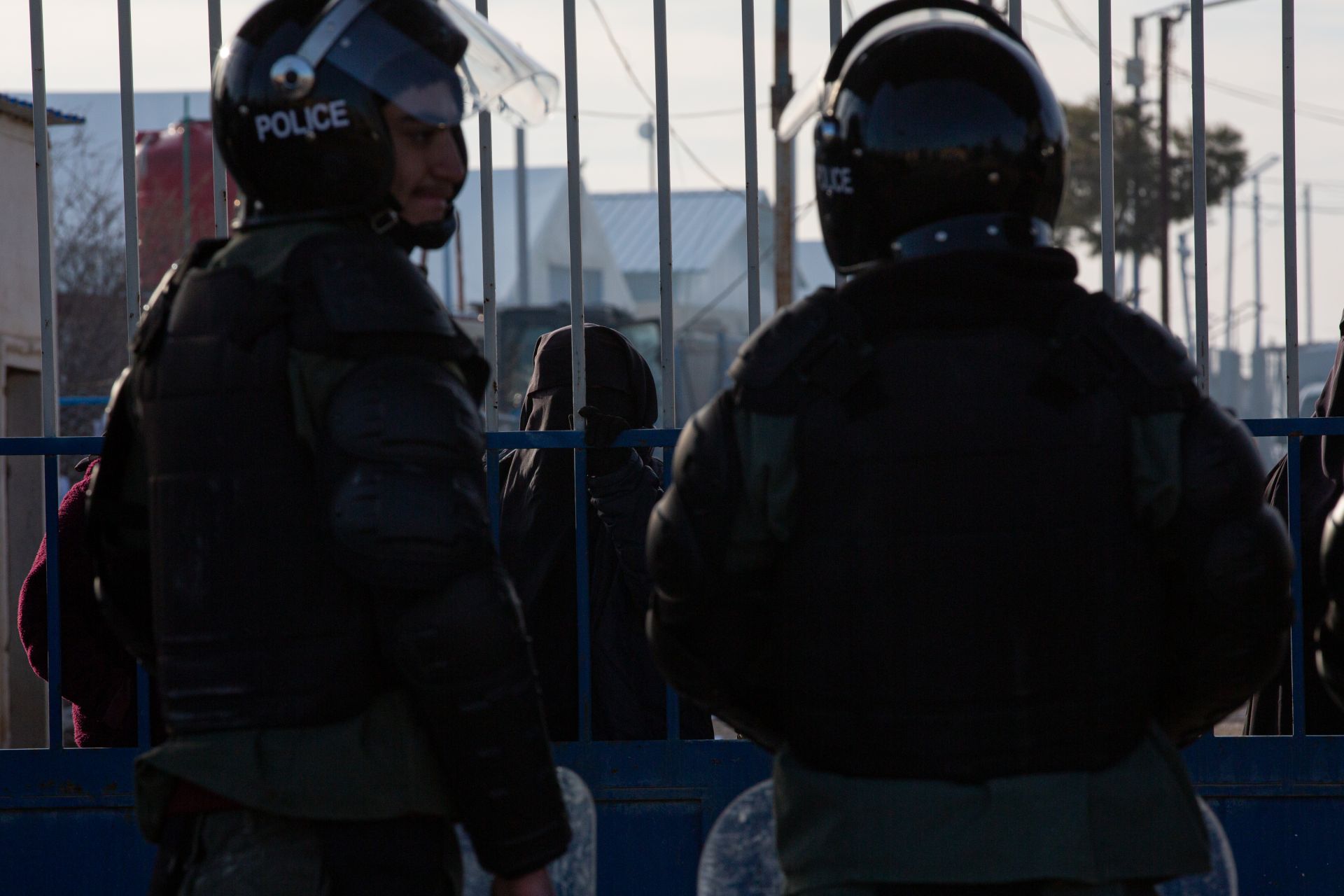
The End of Al-Hawl
A rushed transfer of authority in northeastern Syria has upended the fragile order inside al-Hawl, the sprawling camp that for years has held tens of thousands of people linked, directly or indirectly, to the Islamic State group. Witnesses described a chaotic handover marked by unguarded fences, smuggling networks and fear.
Inside the End of Kurdish Self-Rule in Syria
A deal between Damascus and the Syrian Democratic Forces that will end Kurdish self-rule in northeastern Syria is moving forward. But mistrust runs deep, and many SDF fighters reject integration, while civilians, worn down by war, hope for stability but fear what unification could bring.
How Defiance Began at Home in Assad’s Syria
Loubna Mrie joins Faisal Al Yafai on the podcast to discuss her experience of authoritarianism at home, obedience to the Assad regime, and joining the revolution, as detailed in her new memoir, “Defiance.”
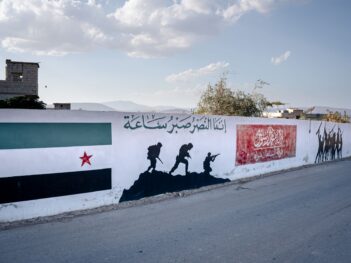
Turkey’s Lingering Influence in Syria’s New Army
Months after Turkey’s longtime proxy in northern Syria was declared dissolved and folded into the new Syrian army, its former strongholds remain intact, Kurdish mistrust runs deep and Ankara’s influence is still visible.
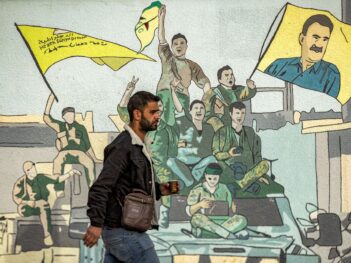
How the Kurds Lost Eastern Syria
To the West, Kurdish self-rule in Syria is a beacon of democracy. For the locals, it has meant a police state administered by the Syrian Democratic Forces, where a child is silenced for singing a folk song and a doctor is jailed for helping a disabled refugee.
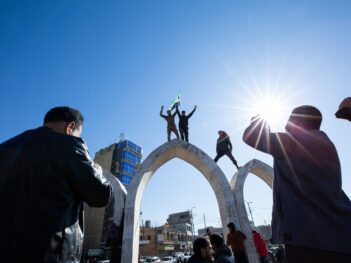
In Raqqa, Damascus Returns as the Rojava Project Recedes
A Jan. 18 agreement between Damascus and the Syrian Democratic Forces may signal the end of Kurdish-led administration in Syria’s northeast. While thousands of residents celebrated what they called Raqqa’s “liberation,” Kurdish neighborhoods emptied, and symbols of Kurdish self-rule were removed.