

Lebanon
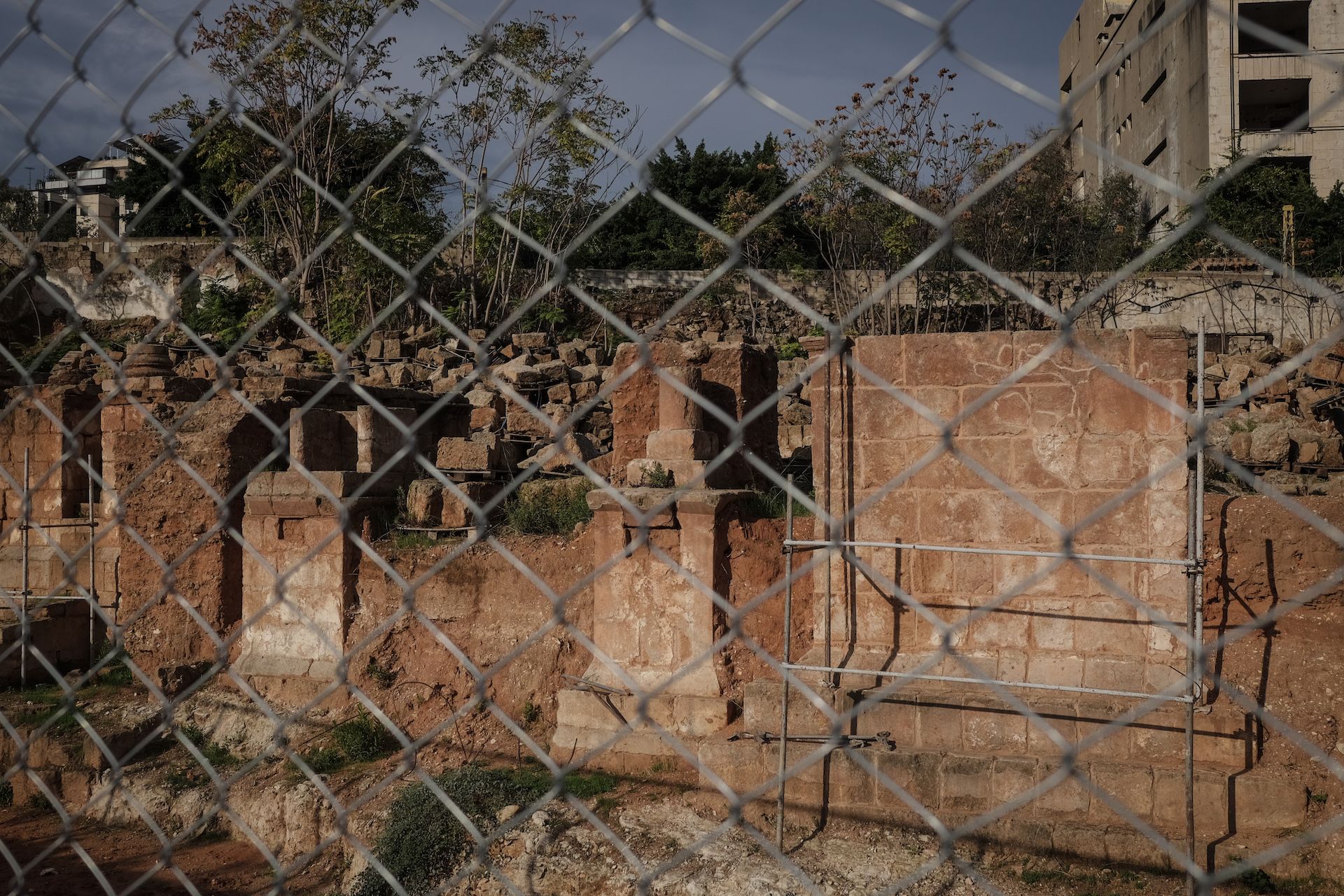
Losing the Plot
Incredibly, parts of Beirut’s Roman walls have survived all the intervening upheavals, human and natural, of the past two millennia. But these remnants, and the ancient tombstones the walls were lined with, are under threat — not from earthquakes or war, but the construction of a parking lot.
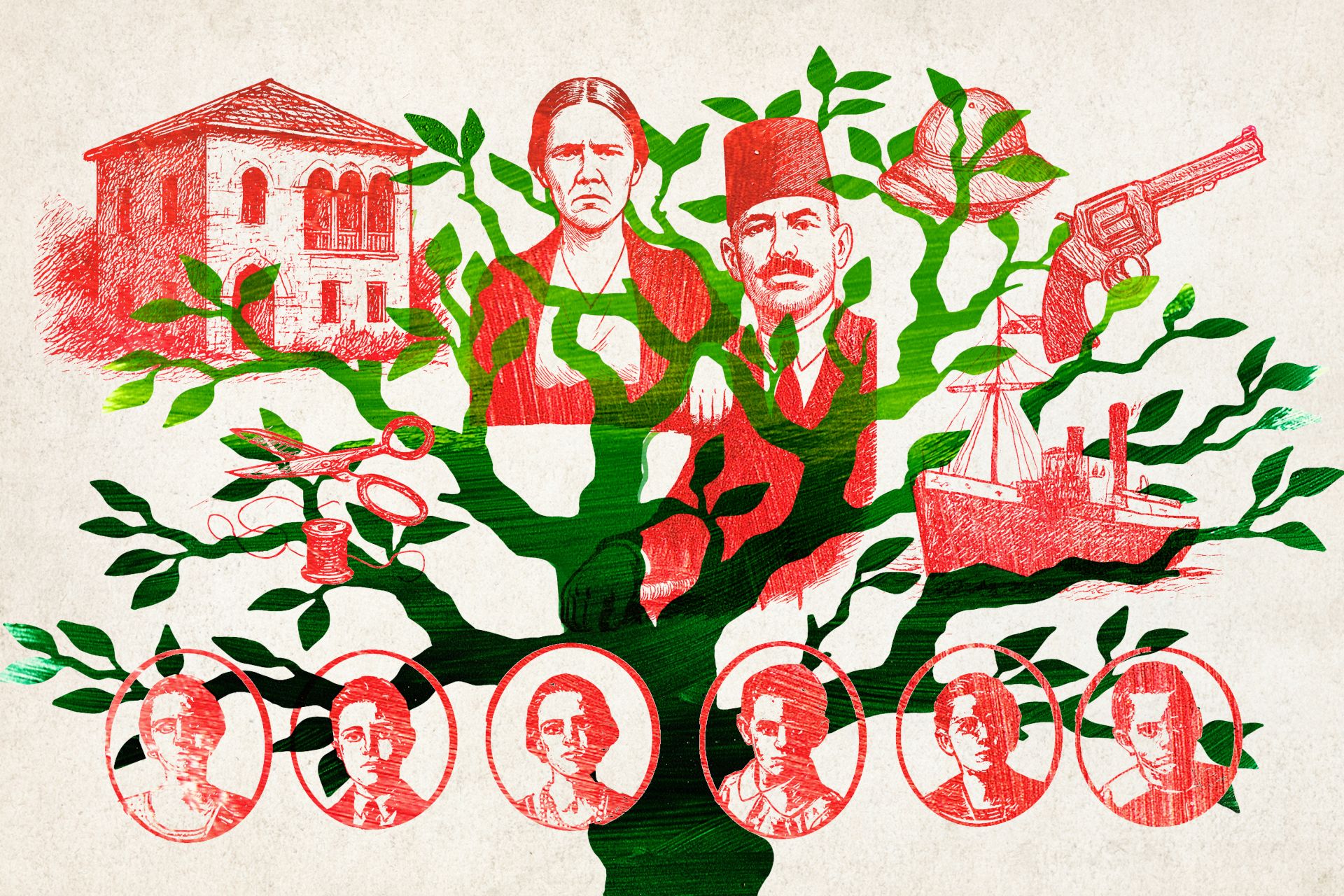
The House in Zabbougha
A British-Lebanese author recalls his family's experiences of war, famine, coups and migration — and the enduring mountain home that witnessed it all.

Jeita Grotto and the Price of Heritage
When videos surfaced of a private wedding held inside Lebanon’s Jeita Grotto, the country erupted in outrage. But the story goes beyond one event: It speaks to a wider crisis in the Arab world, where heritage sites are being turned into spectacles of privilege.
Lebanon Is Still Haunted by Its Last War
Nearly a year after Lebanon’s war with Israel formally ended, the resulting peace feels fragile. Hezbollah faces intense international pressure to disarm, while Israeli strikes continue and fear of renewed conflict is spreading from Beirut’s suburbs to the southern border villages.
The Ballad of Fadel Chaker
Once the “King of Emotion,” the Lebanese singer Fadel Chaker’s career was derailed by his association with a radical cleric and alleged involvement in violent clashes. Yet despite his arrest this weekend, he’s topping charts again and is defended by legions of fans.
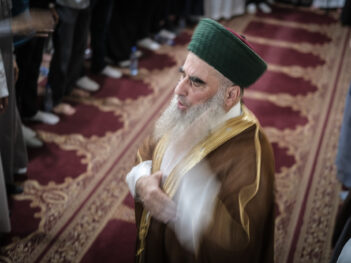
Sufism Endures in Lebanon’s Marginalized North
While Sufi practices in Lebanon’s cities have dwindled under pressure from Salafists, rural Akkar remains a bastion of mysticism. Across its villages, Sufi congregations host centuries-old “zikr” prayer ceremonies that center on music, dance and joy.

Inside Beirut’s Fight To Save Its Reading Culture
Lebanon’s bookshops once thrived as hubs of debate and dissent, but economic collapse, censorship and war have gutted Beirut’s literary scene. Still, readers, publishers and book cafes find inventive ways to resist and revive the culture of reading.