

Vladimir Putin
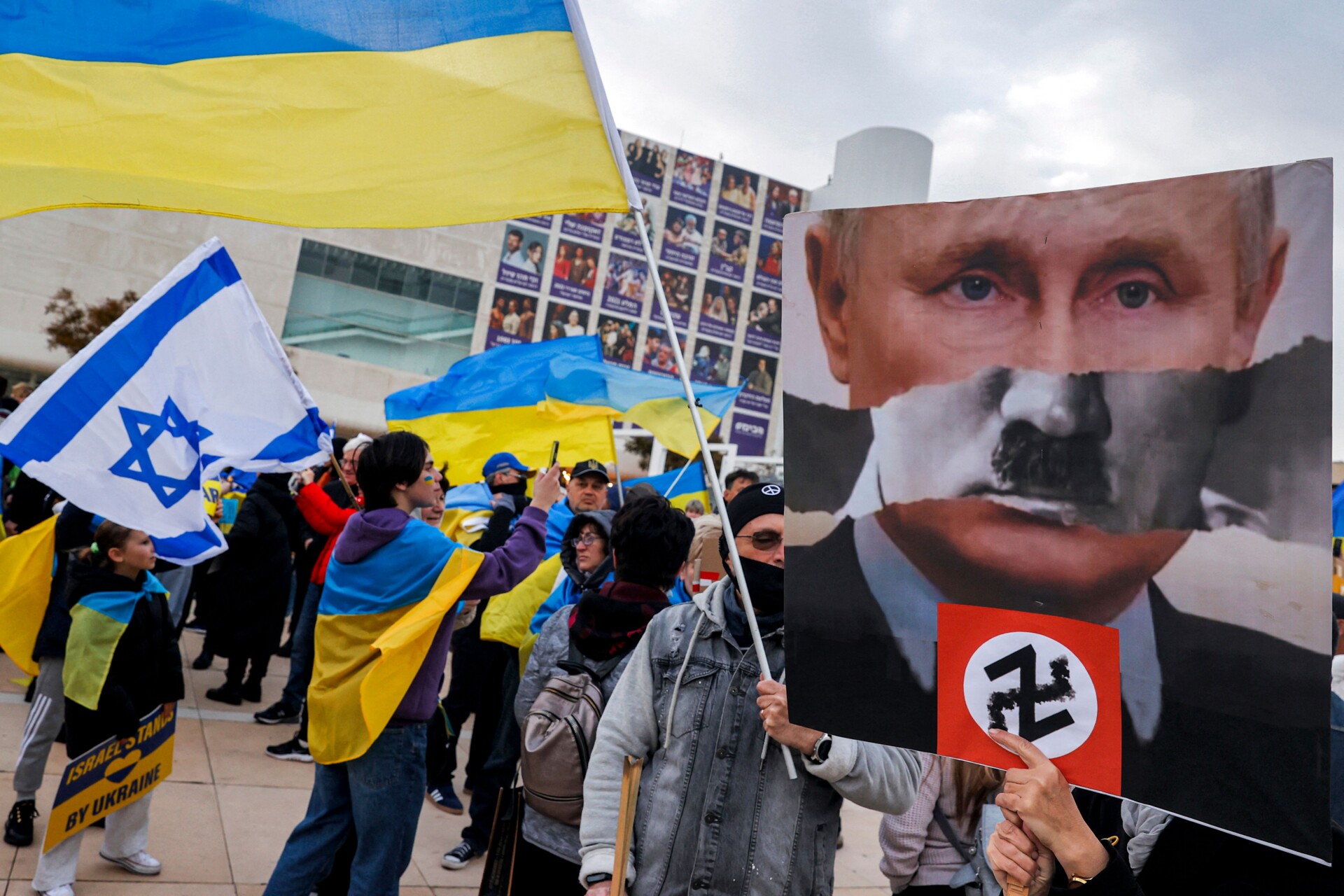
The Fracture of Israel’s ‘Russians’
The 2022 full-scale invasion of Ukraine triggered significant shifts within Israel’s Russian-speaking community. Once viewed as culturally and linguistically monolithic, Russians and Ukrainians are now asserting their unique identities, which include political views notably more liberal than those of the generation who arrived as adults in the 1990s.
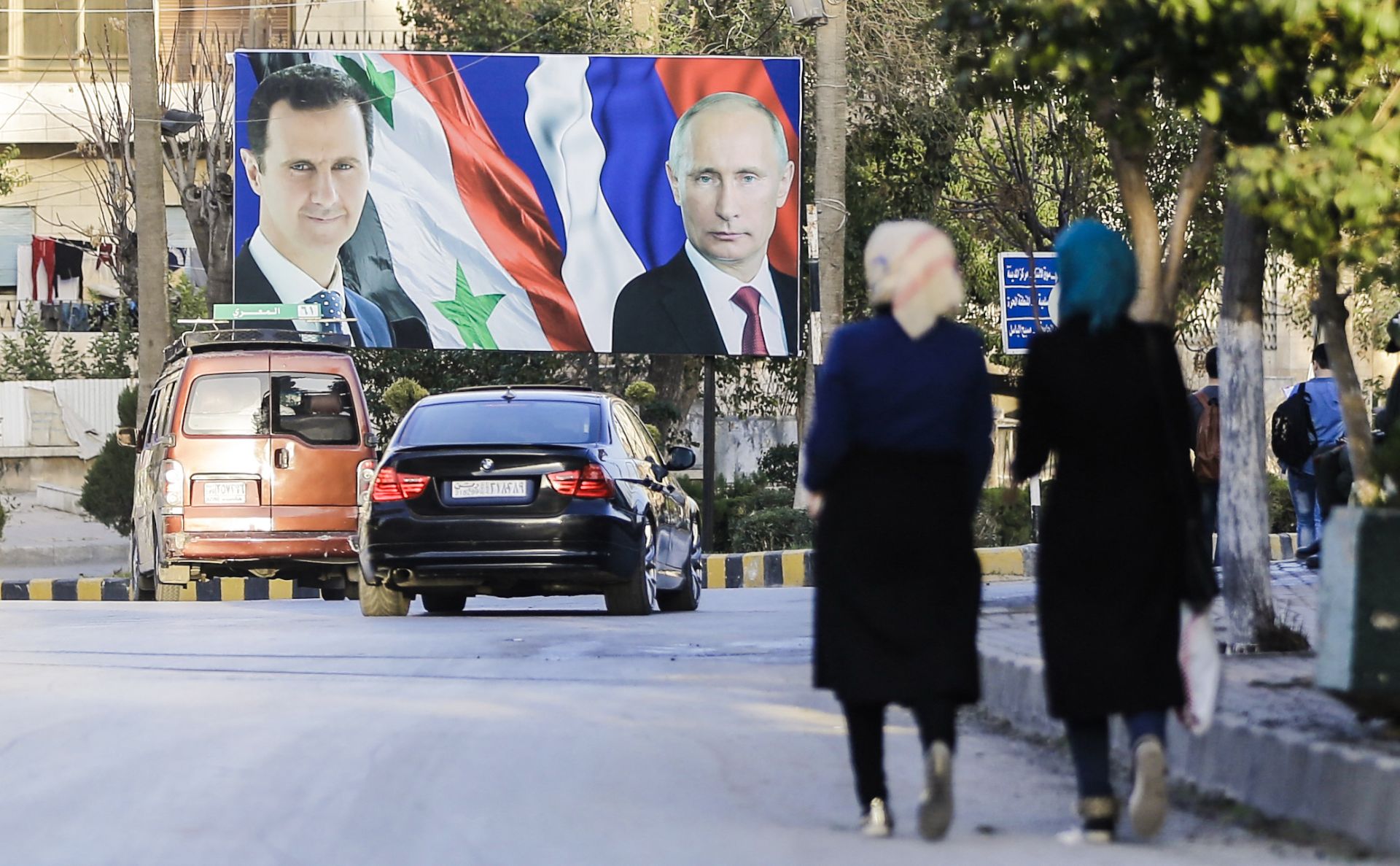
Do Svidaniya, Syria
Moscow finds itself in an awkward position, striving to both curtail reputational damage and make inroads with the Syrian rebels, all with the ousted Assads now living under its roof.
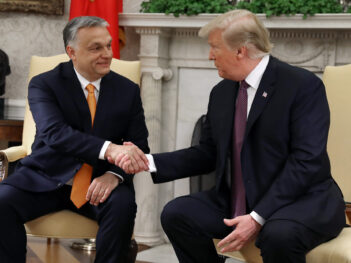
Inspired by Hungary, Trump Is Turning to Natalism
When Trump said he would make fertility treatment free, he seemed to have taken a leaf out of Viktor Orban’s natalist playbook. Both leaders want more native-born children as they aim to halt population decline without relying on immigration.
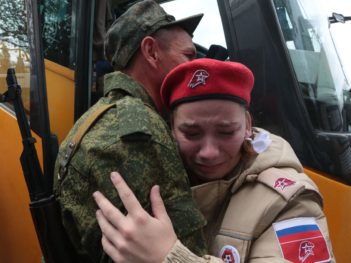
Moscow in Exile — with Julia Ioffe
“It was easy for Russians to push the war off to the edge of their minds, but now it has come home to them.” Russian-American journalist and author Julia Ioffe talks to New Lines’ Amie Ferris-Rotman about Putin’s mobilization and the future of Russia.
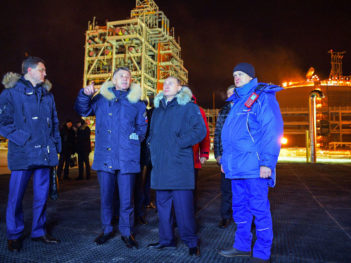
Russia’s Arctic Resources Trump Sanctions
Since the end of February, Putin appears determined to push ahead with plans in the far north. “Taking into account all kinds of external restrictions and sanctions pressure,” Putin said, “special attention must be paid to all projects and plans related to the Arctic. Not to postpone them … but instead, we must respond to attempts to curb our development with maximum increase of the work rate on both current and upcoming tasks.”
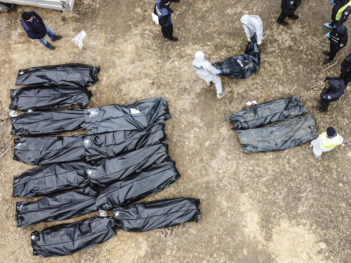
Counting the Dead in Ukraine
Before Russia’s 2022 invasion, Ukraine had well-established mechanisms for documentation of those killed or missing — with more than 3,095 conflict-related Ukrainian civilian deaths documented from 2014 to late 2021. But the ferocity of the current conflict has fragmented those existing networks.
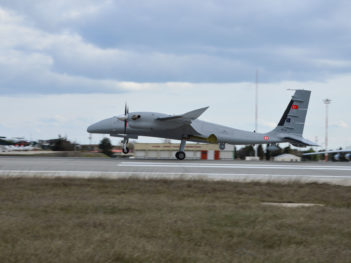
Ukraine’s Security Model Should be Turkey
Turkey has maintained economic and diplomatic ties with Russia throughout the war, declining to join Western-imposed sanctions and hosting negotiating teams from both Kyiv and Moscow. It has also hosted admittedly failed peace talks between both sides. Yet Ankara has quietly and not-so-quietly supported Ukraine throughout the war militarily, diplomatically and rhetorically.