

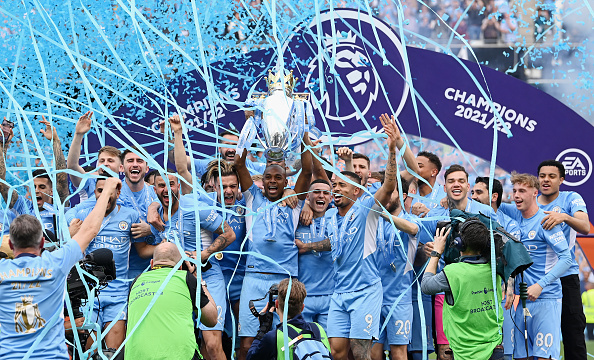
When Sheikh Mansour bin Zayed, the brother of the United Arab Emirates’ president and one of its current vice presidents, bought the English club Manchester City in 2008, it was a mid-table team in the Premier League. The so-called Sky Blues had finished ninth the previous season and had gone more than three decades without a major trophy.
By 2026, Man City had become a powerhouse, winning the Premier League eight times, the European Champions League and numerous domestic trophies, and becoming an iconic global brand. In the 2017-2018 seasons, the squad that came to be known as the Centurions broke the Premier League record by achieving 100 points. The club spent $2.85 billion in new player signings over the past decade. Some of the world’s most recognizable soccer superstars have played or still play for the club, including Norwegian sensation Erling Haaland; the Spaniard Rodri, who was named best player of the 2026 World Cup; Belgian midfielder Kevin De Bruyne; and former German captain İlkay Gündoğan. Until this season, they were coached by Barcelona legend Pep Guardiola.
But the massive influx of wealth and subsequent success that came with Gulf state ownership has now put Man City in jeopardy. The New York Times was the first to report that the club had been found guilty in 114 out of 115 charges of financial misconduct, in a ruling by an independent panel spanning a nine-year period from 2009 to 2018. The club will appeal the ruling, but the potential punishments could range from a monetary fine to stripping the club of its titles and relegation to the lower divisions of English competitions, a drastic step that would lead to the dismantling of one of global soccer’s most successful enterprises.
The charges originated with an investigation by German magazine Der Spiegel based on leaked financial documents, which prompted a brief ban for Man City from European competitions and sparked an investigation by the Premier League, which eventually charged the club in 2023. Man City maintains its innocence.
Now the saga is coming to a head, and it could have major diplomatic repercussions. Back in August, Bloomberg reported that UAE officials had privately warned that a harsh verdict against the club in the case could damage bilateral relations between the United Kingdom and the UAE, and threaten billions of dollars of existing Emirati investment in the country. The accusations are particularly galling since they essentially amount to cheating, and are leveled at an entity owned by a senior member of the Emirati royal family.
Gulf states have invested in global soccer for years now as a mode for promoting the region’s soft power, a strategy pioneered by the UAE, and which critics have described as a form of sportswashing. Qatar hosted the 2022 World Cup, and Saudi Arabia is set to host it in 2034, but with both awards laced with accusations of corruption in the top echelons of soccer’s governing body, FIFA. Qatar owns French champions Paris Saint-Germain, which dominates the French league’s top flight and has won back-to-back Champions League titles. The Saudi sovereign wealth fund bought English club Newcastle, though with limited success so far. The home stadiums of the top two English teams, Man City and Arsenal, are named after their sponsors: Etihad Airways and Emirates.
But these investments have also come with added scrutiny. The Qatar World Cup was marred with credible allegations of migrant worker abuse, and the UAE’s involvement in the ongoing civil war in Sudan is frequently the subject of discussion in sports forums due to Man City’s influence.
Now these Gulf states may have to contend with an uncomfortable level of scrutiny over their investments, and their future will depend on the political calculus and fallout from the Man City verdict, when it is finally announced.