

Reproductive Rights
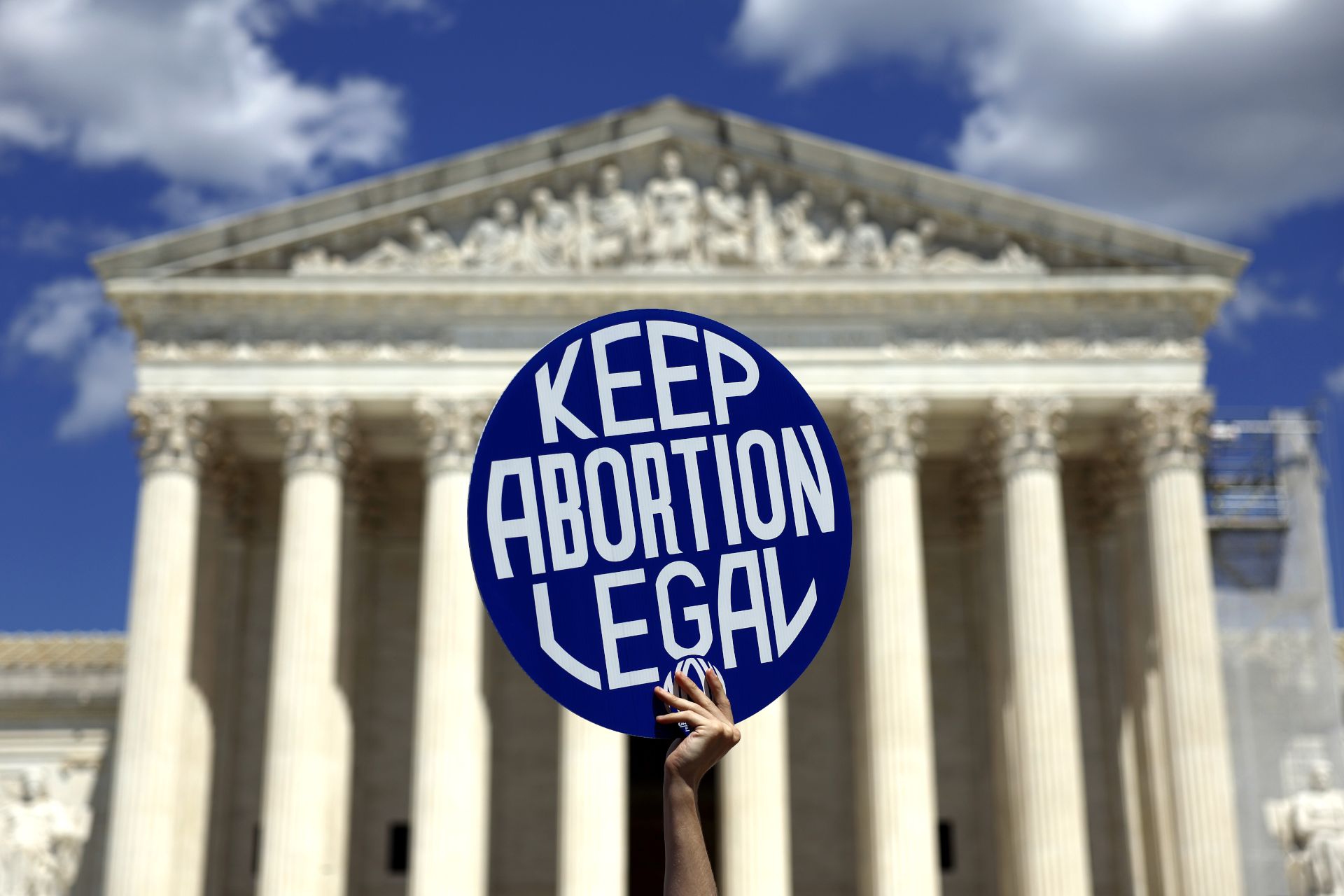
Out of Roe’s Ruins
A British doctor working on abortion access in the U.S. expected to find a dystopia in the wake of the Supreme Court’s overturning of Roe v. Wade. Instead, amid the fear and legal chaos, she saw a new model of decentralized abortion care taking shape.
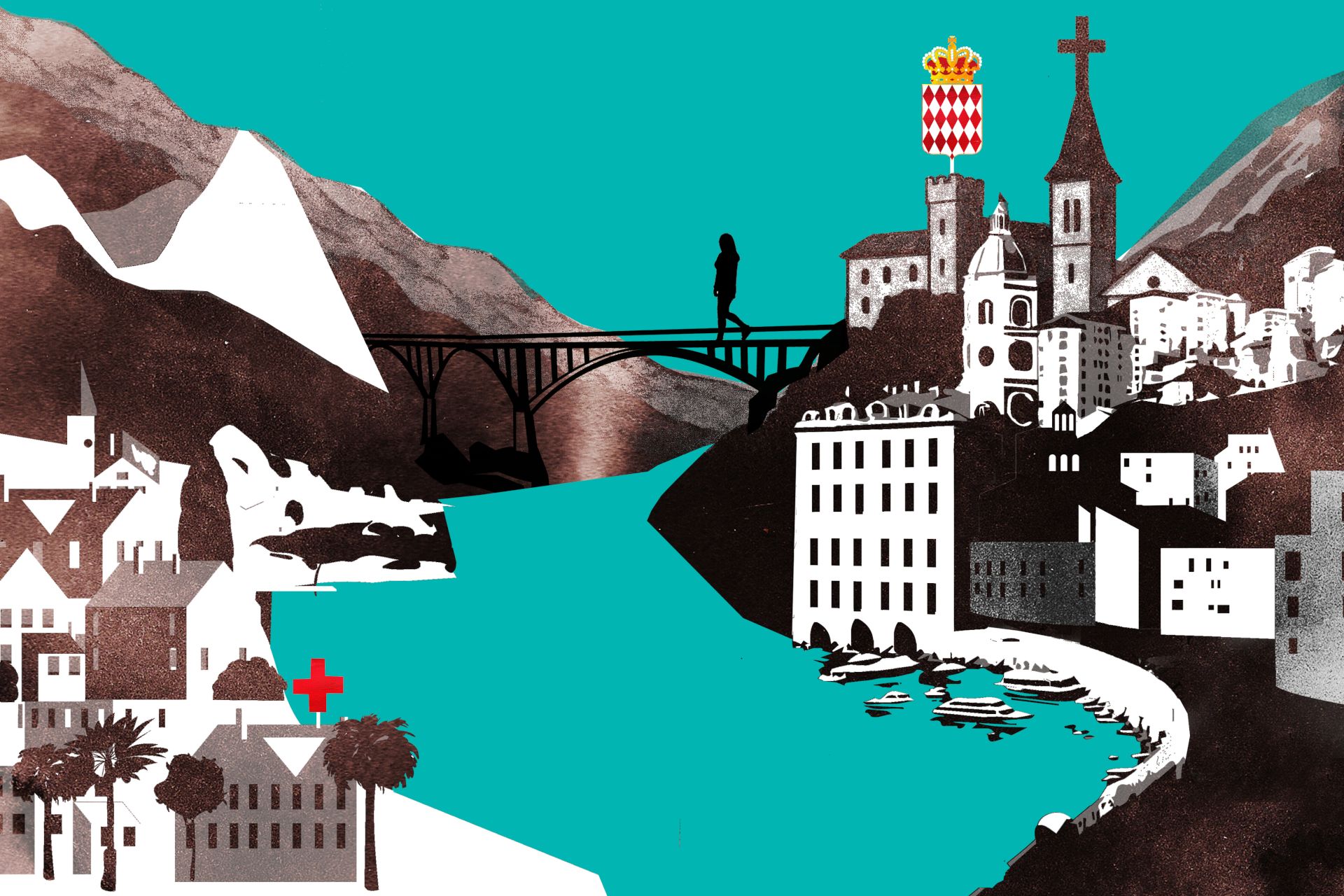
A Royal Abortion Blunder
Women from Monaco may cross into neighboring France to obtain an abortion, as they have for decades, but within the borders of their own city-state, the procedure will remain out of reach — prohibited not by medicine, lawmakers or public opinion, but by the monarchy’s religious architecture.
Womb for Improvement: A History of Medical Instruments – With Lydia Wilson
Reflecting on Diane de Vignemont’s essay “The Medical Instruments Behind 135 Years of Women’s Pain,” Lydia Wilson examines the common gynecological practices now criticized for harming women — often without their consent.

Jordan’s Abortion Conundrum
While accessing abortion has become easier in Jordan despite its illegality, many barriers remain and public advocacy for reproductive rights is still unacceptable. Women face hard choices between financial insecurity and a loss of independence on the one hand and dangerous procedures and strong social stigma on the other.

Germany’s Abortion Debate Is Still Shaped by Its East-West Divide
East Germany is often remembered as less forward-thinking than its Western counterpart, yet when the Berlin Wall fell 35 years ago, it marked the beginning of a process that would see East German women lose their stronger rights to abortion.

Inspired by Hungary, Trump Is Turning to Natalism
When Trump said he would make fertility treatment free, he seemed to have taken a leaf out of Viktor Orban’s natalist playbook. Both leaders want more native-born children as they aim to halt population decline without relying on immigration.
How an American Film in 1984 Shaped the ‘Fetal Personhood’ Movement
In the 1980s, the notion that fetuses and embryos should be considered legal persons was just that: a notion. But in 2024, “fetal personhood” has become a reality for nearly one-third of American women of reproductive age living in some 19 states where abortion is unavailable or severely restricted — in no small part thanks to a film that came out four decades ago.