

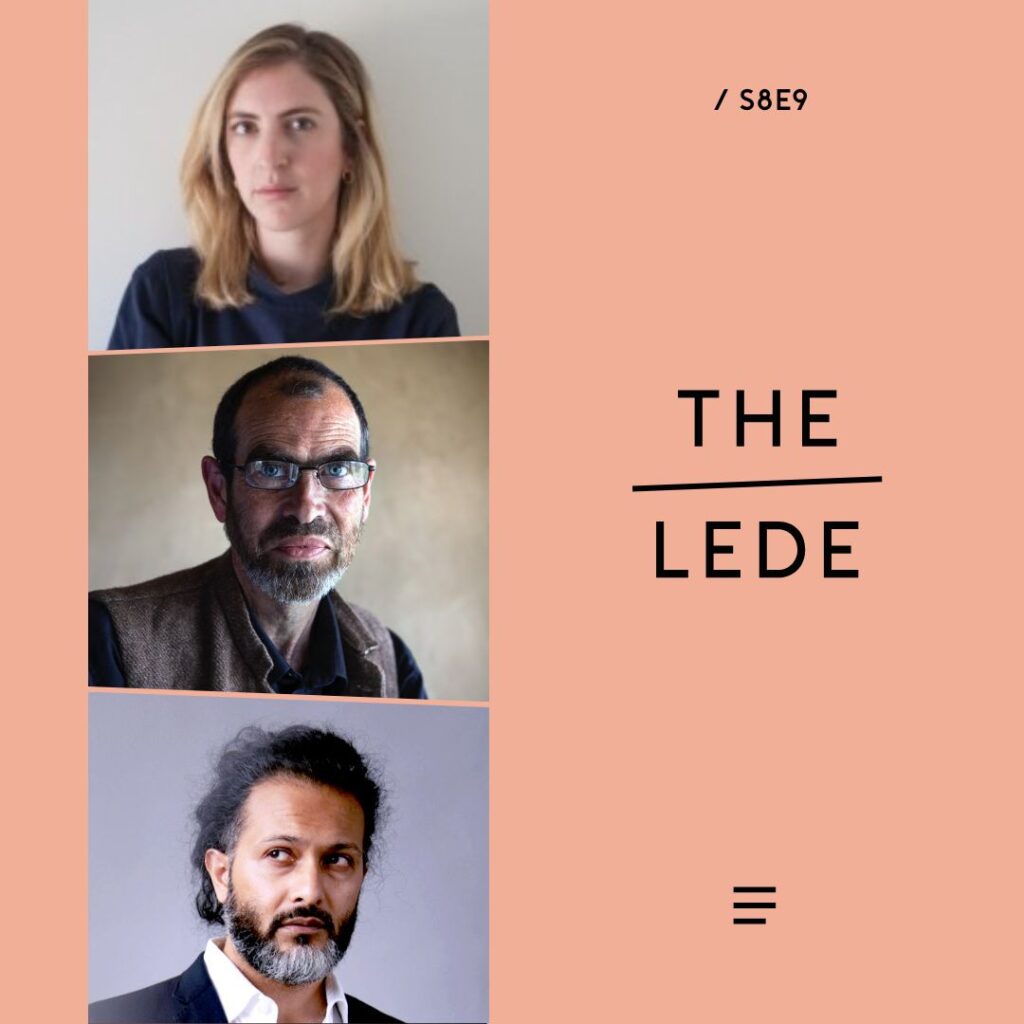
Hosted by Faisal Al Yafai
Featuring Raya Jalabi and Robin Yassin-Kassab
Produced by Finbar Anderson
Listen to and follow The Lede
Apple Podcasts | Spotify | Youtube | Podbean
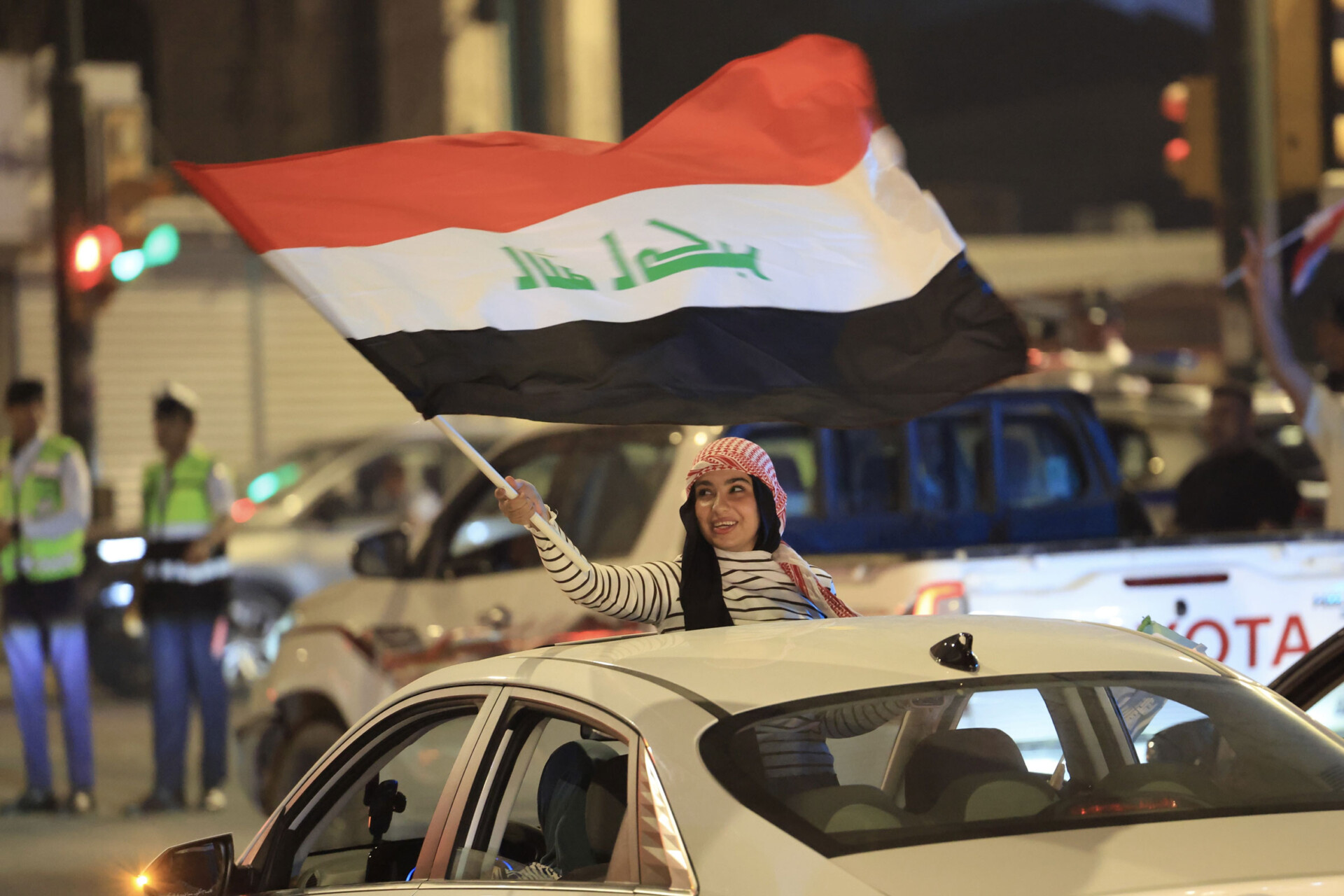
The Middle East’s power dynamics are shifting. Last week saw the historic first official visit to Washington by a Syrian president, while this week Saudi Crown Prince Mohammed Bin Salman is due to make his third visit to the White House. In the midst of it all, Iraqis have gone to the polls in the first parliamentary elections since the collapse of the Syrian regime of Bashar al-Assad.
It’s something Raya Jalabi, the Financial Times’ Middle East correspondent, has noticed. “The entire region has shifted its colors,” she tells New Lines’ Faisal Al Yafai on The Lede. “You have a complete reshuffling of the board prompted by the fallout from Oct. 7, you have shifting alliances. [U.S. President Donald] Trump has been a wake up call for a lot of the region.” There is a new understanding in Saudi Arabia, she adds, “that America might not come to its rescue if they need it to.”
“The entire region has shifted its colors.”
Jalabi had recently returned from a reporting trip to Baghdad to consider the likely political fallout from these elections when she spoke on The Lede. “When we talk about Iraq, it’s really about competing interests over state resources. That’s really what dominates the direction of its politics,” she says.
“ Iraq’s militias have this sprawling network of economic assets across the country,” Jalabi continues. “They have very important economic assets that Iran looks to as essential because in many ways, as someone described it to me last week, Iraq has long been Iran’s cash cow.”
On the topic of neighboring Syria, writer and author Robin Yassin-Kassab, a returning guest to the podcast, believes al-Sharaa’s White House visit “points to the increasing divergence between U.S. interests and Israeli interests in the region.”
Yassin-Kassab sees al-Sharaa as a politician who is trying to respond to the demands of Syrian politics. “He’s cut loose from ISIS, he’s purged al Qaeda, and he did that not because he wanted to please the West. He did that because he was responding to internal domestic politics.”
Following the brutal regime of Bashar al-Assad, Yassin-Kassab is skeptical that al-Sharaa’s base would allow him to build a state with a similarly authoritarian stance. The job of building democracy, he notes, falls to other Syrians. “It’s down to Syrians to organize, to build political parties, to build up an opposition, to protest, to build local democracy.”
Throughout the region, argues Yassin-Kassab, “everybody wants more stability. We’ve been through a period of terrible instability, and I think the Turks and the Saudis and the Qataris — with Syria in the middle — are trying to establish a more stable situation in which Syria can rebuild.”
Al Yafai queries whether one cause of the region’s instability over recent decades might have been the lack of an overarching ideology. “I think these things are important, but they belong with intellectuals and novelists and poets. They’re cultural matters,” responds Yassin-Kassab. “They’ve been hijacked or used most loudly by militias and states and dictators for their own reasons.”